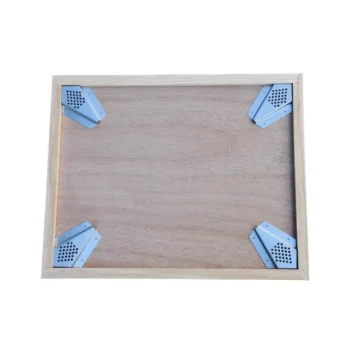
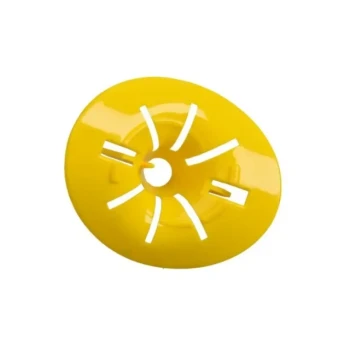
A wooden pollen trap is a precision hardware device installed at the hive entrance to mechanically intercept and collect pollen pellets from returning forager bees. In professional research and health monitoring, it serves two critical roles: providing accurate data on environmental floral diversity and acting as a mechanical barrier to control the colony’s diet during experimental trials.
Core Takeaway: The wooden pollen trap is an essential diagnostic tool that enables researchers to monitor natural resource availability while facilitating precise, controlled exposure to supplements or treatments by restricting natural forage intake.
The Dual Role in Professional Apiary Research
Environmental Monitoring and Resource Analysis
The trap utilizes a calibrated grid to strip pollen from the bees' hind legs, allowing researchers to analyze the volume and botanical composition of natural forage. This data is vital for identifying changes in resource utilization and the presence of environmental stressors over specific timeframes.
Precise Diet and Exposure Control
By physically limiting the entry of natural pollen, researchers can force the colony to consume prepared artificial pollen patties. This ensures that bees receive exact doses of experimental supplements or treatments, a requirement for high-accuracy pesticide impact and nutritional studies.
Technical Performance in Commercial Operations
Mechanical Separation and High Efficiency
Modern wooden traps are designed for large-scale collection without disrupting the colony’s internal environment. The precisely sized apertures ensure that pollen is collected in a dedicated tray, preventing contamination and maintaining the integrity of the botanical samples.
Maintaining Sample Purity for Identification
The mechanical design prevents pollen from being processed by the colony or exposed to internal hive moisture. This preservation of raw material quality is essential for accurate laboratory identification of botanical origins and protein nutritional value.
Understanding the Trade-offs and Operational Risks
Impact on Colony Nutritional Stress
While essential for research, constant use of a pollen trap can lead to nutritional deficiencies if natural intake is restricted for too long. Commercial operators must balance data collection with the health of the brood, which requires consistent protein for development.
Material Durability and Maintenance
Wooden traps provide a natural, breathable environment for the bees but require diligent maintenance to prevent mold in the collection trays. In high-humidity environments, wood can swell, potentially altering the precision of the entrance grids if not manufactured to high standards.
Making the Right Choice for Your Portfolio
As a distributor or wholesaler, providing high-quality apiary hardware requires a focus on both technical precision and supply chain reliability. Selecting the right equipment ensures your clients can maintain the rigorous standards required for modern research.
- If your primary focus is Research and Health Monitoring: Prioritize traps with standardized, high-precision grids that guarantee consistent interception rates for controlled diet studies.
- If your primary focus is Commercial Pollen Production: Focus on high-capacity, bottom-mounted wooden traps that offer rapid collection and easy access for efficient order fulfillment.
- If your primary focus is Supply Chain Reliability: Source from partners offering a full-spectrum product portfolio and rapid response times to ensure your inventory meets seasonal demand spikes.
Equipping your clients with professional-grade wooden pollen traps empowers them to achieve higher precision in bee health analytics and commercial efficiency.
Summary Table:
| Feature/Function | Primary Role in Research | Key Benefit for Commercial Use |
|---|---|---|
| Environmental Monitoring | Analyzes botanical diversity and resource availability. | Identifies environmental stressors and floral timing. |
| Dietary Control | Restricts natural pollen to allow for controlled feeding. | Enables high-accuracy nutritional and pesticide studies. |
| Sample Preservation | Prevents internal hive moisture from affecting pollen. | Maintains raw material purity for laboratory identification. |
| Mechanical Design | Calibrated grid for high-efficiency pellet collection. | Supports large-scale data collection with minimal disruption. |
Scale Your Apiary Supply Business with HONESTBEE
Partner with HONESTBEE to provide your clients with the precision hardware they need for professional research and high-yield commercial operations. We cater specifically to commercial apiaries and B2B distributors, offering a comprehensive one-stop sourcing experience for the full spectrum of beekeeping tools, machinery, and consumables.
Why Global Distributors Choose HONESTBEE:
- Comprehensive Portfolio: From specialized wooden pollen traps to advanced honey-filling and hive-making machines.
- Premium Service & Expertise: Deep industry knowledge with dedicated support to help you maximize profit margins.
- Rapid Fulfillment: Experience ultra-fast delivery and rapid response times to meet seasonal demand spikes.
- Professional Reliability: High-quality hardware that meets the rigorous standards of modern bee health analytics.
Ready to enhance your product offering with industry-leading apiary equipment? Contact our wholesale team today to discuss bulk pricing and customized supply solutions!
References
- Lan Tran, M. Marta Guarna. Neonicotinoid-induced signature dysbiosis identified via metagenomic sequencing of the honey bee gut microbiome. DOI: 10.1038/s41598-025-30907-4
This article is also based on technical information from HonestBee Knowledge Base .
Related Products
- Removable Plastic Pollen Trap With Ventilated Tray for Bees Pollen Collector
- Stainless Steel Pollen Shovel with Wooden Handle
- 30 cm Plastic Entrance Hole Bee Pollen Trap and Collector
- Plastic Bee Pollen Trap Strips Comb Catcher Collector
- High-Efficiency Diamond Maze Bee Escape for Clearing Supers
People Also Ask
- What are the design principles and advantages of pollen traps in the collection of bee pollen? Boost Your Apiary Yield
- What is the function of professional pollen traps in evaluating honey plants? Quantifying Pollination and Crop Potential
- What functions do pollen traps serve for bee bread production? Optimize Your Raw Material Collection
- What maintenance and pest prevention measures should be taken for pollen traps? Protect Your Hive and Harvest Quality
- How does the use of pollen traps in honeybee hives enhance crop fertilization? Boost Your Yield Through Induced Activity