Artificial queen cells serve as the primary biological trigger and standardized collection vessel in the Doolittle method. Their function is to simulate the physical environment of a natural queen cell, thereby deceiving worker bees into exhibiting queen-rearing behavior. By grafting young larvae into these cups, beekeepers induce the colony to secrete massive quantities of Royal Jelly, transforming a rare natural event into a scalable production process.
The Core Takeaway Artificial queen cells do not just house larvae; they actively manipulate colony behavior. By mimicking natural queen cells in a standardized format, they allow beekeepers to "turn on" the mass production of Royal Jelly and harvest it efficiently on a strict schedule.
The Mechanism of Induced Secretion
Simulating Nature to Trigger Instinct
In a natural hive, bees rarely build queen cells unless they are swarming or replacing a failing queen. Artificial queen cells (queen cups) bypass this limitation.
They act as a structural decoy, mimicking the specific shape and orientation of natural cells. This physical simulation tricks the worker bees into entering a "nursing mode" focused specifically on these cups.
Stimulating High-Volume Production
Once a larva is transferred into the artificial cup, the deception is complete. Worker bees perceive the occupant as a potential future queen.
To ensure the development of this "queen," workers secrete distinctively large amounts of Royal Jelly. The artificial cup captures this secretion, acting as a reservoir for the valuable substance.
Standardization and Operational Efficiency
Enabling Mass Collection
Natural queen cells are built sporadically and are difficult to access without damaging the hive. Artificial cells solve this by providing a standardized design.
These uniform cups fit into professional queen-rearing frames. This allows beekeepers to remove, process, and harvest from dozens of cells simultaneously without disrupting the rest of the colony.
Precision in Yield Control
The use of artificial cells allows for a predictable industrial cycle. Beekeepers can calculate exact yields based on the number of cups introduced.
Because the cups are removable, the harvest can be timed perfectly—typically every 48 to 72 hours—to maximize purity and volume before the larva consumes too much of the jelly.
Operational Realities and Requirements
The Necessity of Larval Age
The artificial cell itself is useless without the correct biological trigger. The Doolittle method requires transferring larvae that are 12 to 24 hours old.
If the larvae are too old, the bees may reject them or feed them less aggressively. The artificial cup provides the space, but the precise age of the larva dictates the volume of the secretion.
Dependency on Colony Strength
Artificial cups must be placed in strong queen-rearing colonies to function.
A standardized cup cannot compensate for a weak workforce. To fill the cups with "abundant royal jelly," the colony must have a surplus of nurse bees ready to respond to the artificial stimulus.
Making the Right Choice for Your Goal
- If your primary focus is Commercial Yield: Prioritize the standardized aspect of the cups to facilitate a strict 48-72 hour harvest cycle for maximum volume.
- If your primary focus is Queen Rearing: Focus on the nutritional support function of the cups, ensuring the colony is strong enough to fully build out the cells for high-quality virgin queens.
Success with the Doolittle method relies on using these cells to bridge the gap between biological instinct and industrial efficiency.
Summary Table:
| Function Category | Key Role of Artificial Queen Cells | Impact on Production |
|---|---|---|
| Biological Trigger | Mimics natural queen cell shape/orientation | Induces massive Royal Jelly secretion by nurse bees |
| Operational Vessel | Acts as a standardized collection reservoir | Allows for efficient, high-volume harvesting without hive damage |
| Process Control | Enables uniform placement on rearing frames | Facilitates a predictable 48-72 hour industrial harvest cycle |
| Scalability | Provides consistent environment for grafted larvae | Transforms rare natural events into a scalable commercial process |
Maximize Your Royal Jelly Output with HONESTBEE
At HONESTBEE, we specialize in empowering commercial apiaries and distributors with the precision tools needed for high-yield Royal Jelly production. From high-quality artificial queen cells and specialized rearing frames to advanced honey-filling and hive-making machinery, we provide the full spectrum of beekeeping equipment and industrial consumables.
Our solutions are designed to enhance your operational efficiency and ensure your colony management is both scalable and profitable. Partner with HONESTBEE today to access premium wholesale beekeeping hardware and honey-themed cultural merchandise.
Contact our team now to discuss your wholesale needs
References
- Ratna Iffany Faradilla Besari, Lilik Eka Radiati. Benguk Tempeh Flour (<i>Mucuna pruriens</i> L.): Royal Jelly Production of <i>Apis mellifera</i> in the Dearth Period. DOI: 10.1051/bioconf/202519100030
This article is also based on technical information from HonestBee Knowledge Base .
Related Products
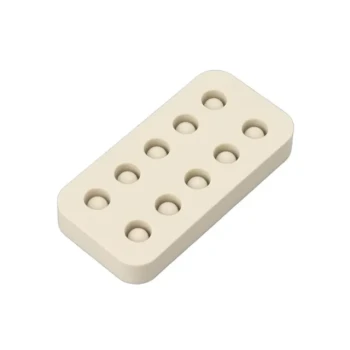
- 10-Cell Silicone Beeswax Bee Queen Cups Forming Mold
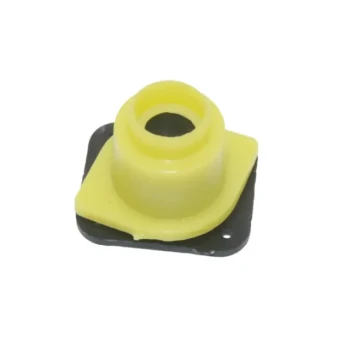
- JZBZ Type Wide Base Plastic Queen Cell Cups for Base Mounting and Queen Rearing
- Clear Black Plain Polystyrene Queen Bee Grafting Cell Cups No Lug for Bee Queen Cup
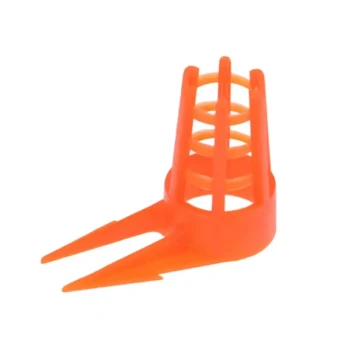
- JZBZ Push-In Queen Cell Cups for Beekeeping
- Brown Nicot Queen Cell Cups for Breeding Queen Bees Beekeeping
People Also Ask
- How do beeswax queen cell cups function? Optimize Queen Rearing with Biological Mimicry
- What is the biological function of beeswax queen cell cups? Boost Acceptance in Artificial Queen Rearing
- What role do specialized queen rearing tools play in developing mite-resistant honeybee stock? Master Genetic Selection
- What materials are used to make artificial queen cell cups for grafting? Beeswax vs. Plastic Guide
- What roles do specialized queen cell cups play in royal jelly production? Optimize Your Hive's Secretion and Yield