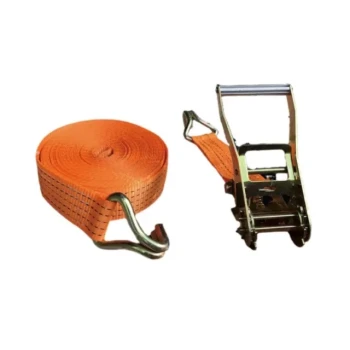
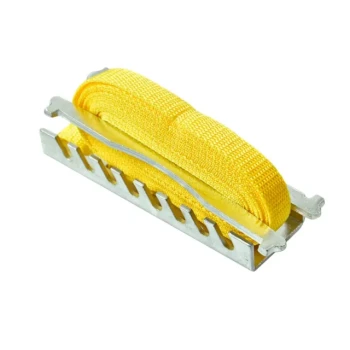
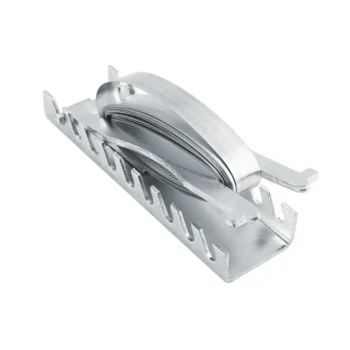
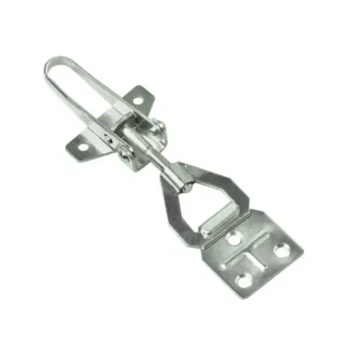
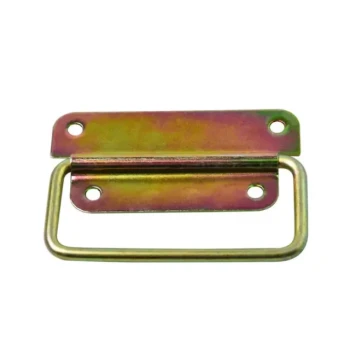
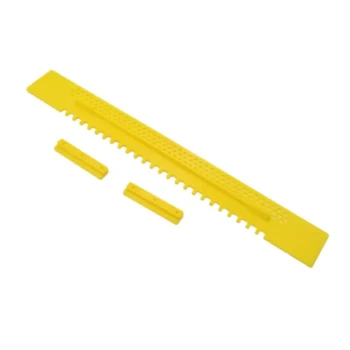
Beehive transport and locking devices are the essential structural safeguards of migratory beekeeping. Their primary function is to mechanically secure the separate components of a hive—such as brood boxes, supers, and lids—into a single, rigid unit during rapid, long-distance transit. By preventing the shifting of hive parts and the accidental escape of bees ("leaking"), these devices ensure the physical safety of the operator and minimize life-threatening stress on the colony.
By stabilizing hives during transport, these devices transform a fragile stack of boxes into a mobile unit capable of withstanding the rigors of travel. This reliability is the foundation of migratory beekeeping, allowing producers to aggressively chase seasonal blooms to maximize annual honey production without compromising colony survival.
The Mechanics of Secure Mobility
Migratory beekeeping requires moving colonies rapidly between different geographical zones. Transport and locking devices address the physical challenges inherent in this logistical model.
Preventing Structural Integrity Failure
A standard beehive consists of stacked components that are not naturally connected. Without specialized locking mechanisms, vehicle vibrations would cause these layers to shift or slide. Locking devices bind these components together, ensuring the hive acts as a solid block rather than a loose stack of boxes.
Mitigating "Leaking" and Operator Risk
When hive components shift, gaps open up. This allows agitated bees to escape, or "leak," during transit. Securing devices seal these gaps, protecting operators from stinging incidents during loading and driving, which is critical for personnel safety.
Protecting Colony Health During Transit
Beyond simple containment, these devices play a critical role in the biological preservation of the colony. The physical stress of transport can be fatal if not managed correctly.
Reducing Vibration Stress
Bees are highly sensitive to vibration. Loose hive components rattle and impact each other during travel, causing significant stress to the colony. Rigid fixation minimizes internal movement, acting as a primary defense against physical impact and stress-induced mortality.
Facilitating Critical Ventilation
While the primary reference emphasizes security, supplementary data highlights the link between transport hardware and airflow. Secure locking allows hives to be stacked and transported without blocking essential airways. This prevents overheating, a leading cause of colony loss during long-distance moves in warm climates.
Strategic Economic Advantages
The use of professional transport equipment is not just a safety measure; it is a production strategy.
Capitalizing on Multiple Blooms
The core goal of migratory beekeeping is maximizing total annual honey production. Reliable transport hardware allows beekeepers to follow flowering phenology (seasonal bloom cycles) across different altitudes and regions. This extends the nectar collection period far beyond what is possible in fixed-area beekeeping.
Enabling Industrialized Scale
Moving from fixed-location apiaries to a mobile, industrialized model requires speed. Transport devices and compatible loading machinery reduce downtime between shifts in nectar sources. This efficiency allows operations to scale up, managing more hives and hitting more nectar flows with less manual labor.
Understanding the Trade-offs
While necessary, the implementation of transport and locking systems introduces specific operational considerations.
rigidity vs. Shock Absorption
Locking a hive too rigidly without appropriate vehicle suspension can transfer road shock directly to the comb. The ideal system requires a balance: the hive parts must be locked tightly to each other, but the transport vehicle must provide shock absorption to dampen road vibrations.
Ventilation vs. Security
There is often a tension between sealing a hive for safety and keeping it open for air. Over-sealing a hive with locking mechanisms to prevent leaking can inadvertently lead to suffocation or heat stress. Professional equipment must integrate ventilation ports that remain functional even when the locking devices are fully engaged.
Making the Right Choice for Your Goal
Selecting the right transport and locking configuration depends on the specific scale and objectives of your operation.
- If your primary focus is maximizing honey yield: Prioritize systems that allow for rapid deployment and loading to minimize downtime between nectar flows.
- If your primary focus is colony survival rates: Invest in equipment that combines rigid hive locking with vehicle-integrated shock absorption and ventilation systems to reduce transit stress.
- If your primary focus is operational safety: Ensure your locking devices have a zero-tolerance failure rate for component shifting to prevent bee leakage and protect personnel.
Successful migratory beekeeping relies on transforming the hive from a static dwelling into a secure, mobile asset.
Summary Table:
| Feature | Primary Function | Impact on Beekeeping |
|---|---|---|
| Component Locking | Binds brood boxes, supers, and lids into one unit | Prevents shifting and structural failure during transit |
| Leak Prevention | Seals gaps between stacked hive components | Protects operators from stings and prevents bee loss |
| Vibration Control | Minimizes internal movement and rattling | Reduces colony stress and physical impact mortality |
| Logistical Efficiency | Enables rapid loading and high-density stacking | Facilitates chasing multiple seasonal nectar flows |
| Ventilation Support | Maintains airflow while fully secured | Prevents overheating and suffocation during long moves |
Elevate Your Migratory Beekeeping Efficiency with HONESTBEE
Moving colonies across regions requires equipment you can trust. HONESTBEE specializes in supporting commercial apiaries and distributors with a robust selection of professional-grade beekeeping tools and machinery.
From high-durability locking devices that ensure colony safety to advanced hive-making and honey-filling machines, we provide the full spectrum of hardware and consumables needed to scale your operations. Our solutions are designed to minimize labor, protect your bees, and maximize your annual honey production.
Ready to optimize your mobile apiary?
Contact HONESTBEE Today to discuss our wholesale offerings and industrial equipment solutions.
References
- Sumit Saini, Vadde Anoosha. Maximizing income through beekeeping (<i>Apis mellifera)</i>by following right management practices. DOI: 10.1080/00218839.2020.1864091
This article is also based on technical information from HonestBee Knowledge Base .
Related Products
- Durable Plastic Interlocking Hive Connector for Beekeeping
- Heavy Duty Ratchet Hive Strap
- Professional Galvanized Hive Strap with Secure Locking Buckle for Beekeeping
- High Security Emlock Strap System
- Heavy Duty Adjustable Hive Connector
People Also Ask
- How do plastic bee hives compare to wooden hives in handling? Reduce Strain & Boost Efficiency
- Are plastic bee hives any good? Unlock Durability & Efficiency for Your Apiary
- Under what circumstance are beehive connectors particularly beneficial? Optimize Handling for Full Beehive Attachments
- Are plastic bee hives good? Durable, Low-Maintenance Hives for Modern Apiaries
- What is the advantage of using the beehive connector when handling full attachments? Achieve Safe and Efficient Hive Transport