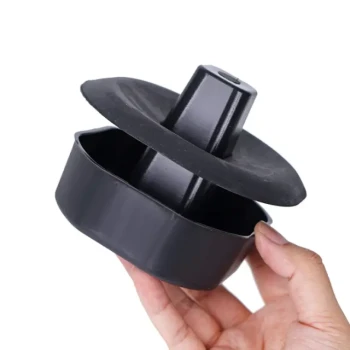
Hive stands equipped with water cups function as a specialized defensive perimeter for the apiary.
Specifically, they utilize a liquid seal at the base of the stand to create an impassable physical barrier against crawling predators. This prevents ants and other ground-based insects from climbing the stand legs to infiltrate the hive, where they would otherwise attack bee larvae or pillage honey stores.
By integrating water-filled cups, apiarists create a "moat" effect that secures the colony against predatory insects while simultaneously elevating the hive to manage moisture and prevent equipment rot.
The Defense Mechanism Against Predators
Creating a Liquid Barrier
The primary function of the water cup is to disrupt the path of entry.
When the legs of the hive stand are placed inside these water-filled cups, the resulting seal creates a gap that crawling insects cannot cross.
Protecting Vital Resources
This barrier is essential for shielding the colony’s most vulnerable assets.
Without this protection, ants and other scavengers can easily access the hive to steal honey reserves. More critically, these predators may attack bee larvae, threatening the future population of the colony.
Seasonal Strategic Importance
The utility of this system peaks during specific times of the year.
The primary reference notes that this infrastructure is particularly critical during summer months. This corresponds with periods of high predator activity when insect populations are most aggressive in seeking food sources.
Broader Environmental Controls
Reducing Humidity and Fungal Disease
While the cups stop predators, the stand itself plays a crucial role in disease control by elevating the hive.
Lifting the hive off the ground cuts off the path for ground moisture. This helps maintain a dry environment at the bottom of the hive, significantly reducing the incidence of fungal diseases like chalkbrood that thrive in excessive humidity.
Enhancing Ventilation
Proper elevation improves bottom ventilation, which is vital for the colony's internal climate control.
Improved airflow assists the bees in maintaining the correct temperature and humidity balance. This environmental stability is necessary not only for brood rearing but also for ensuring the quality of the honey produced.
Preserving Hive Infrastructure
Beyond biological protection, hive stands extend the service life of the wooden equipment.
Direct contact with soil leads to rot and invites termites. By elevating the structure, you prevent ground moisture from deteriorating the wood, ensuring the physical stability of the brood rearing environment.
Operational Considerations and Trade-offs
Maintenance Requirements
The effectiveness of this system relies entirely on the integrity of the maintenance routine.
The "moat" is only effective as long as the cups remain filled with water. If the water evaporates or the cups are displaced, the physical barrier is instantly compromised, allowing predators to cross.
Hardware Durability
The environment near the ground is harsh and prone to moisture.
Using high-quality consumables, such as durable wood and rust-proof wires for the stands, is essential. Neglecting the quality of these base materials can lead to structural failure, which endangers the colony and increases long-term repair costs.
Making the Right Choice for Your Goal
To maximize the effectiveness of your apiary infrastructure, align your equipment choices with your specific environmental challenges:
- If your primary focus is Predator Control: Ensure your stands are equipped with base cups and establish a routine to keep them filled during the high-activity summer months.
- If your primary focus is Disease Prevention: Prioritize the height of the stand to maximize bottom ventilation and reduce the internal humidity that leads to fungal infections.
- If your primary focus is Equipment Longevity: Select stands made of durable, rot-resistant materials to prevent termite damage and extend the service life of your wooden hives.
Ultimately, the hive stand is not just a support structure; it is the first line of defense in maintaining a secure, dry, and productive colony.
Summary Table:
| Feature | Primary Function | Key Benefit |
|---|---|---|
| Water Cup "Moat" | Creates a liquid barrier at the stand legs | Blocks ants and crawling predators from entering the hive |
| Hive Elevation | Lifts equipment off the damp ground | Reduces moisture, preventing rot and fungal diseases like chalkbrood |
| Enhanced Airflow | Improves bottom ventilation | Assists bees in temperature regulation and honey ripening |
| Structural Support | Prevents direct soil contact | Extends the lifespan of wooden hive bodies and prevents termite damage |
Maximize Your Colony's Safety with HONESTBEE
At HONESTBEE, we understand that professional beekeeping requires precision-engineered solutions. Whether you are managing a large-scale commercial apiary or operating as a distributor, our comprehensive wholesale range is designed to meet your every need.
We provide everything from specialized hive-making and honey-filling machinery to high-quality beekeeping tools and essential consumables. Our hive stands and protection systems ensure your colonies stay dry, secure, and productive.
Ready to upgrade your infrastructure? Contact HONESTBEE today to discover how our wholesale beekeeping equipment can enhance your operational efficiency and protect your investment.
References
- Suroj Pokhrel. The Ecological Problems and Possible Solutions of Beekeeping in Hills and Terai of Chitwan, Nepal. DOI: 10.3126/aej.v9i0.2113
This article is also based on technical information from HonestBee Knowledge Base .
Related Products
- Plastic Bee Hive Stand for Beekeeping
- Professional Ant-Proof Beehive Stand with Integrated Moat for Beekeeping
- Metal Bee Hive Stand Bee Box Stand for Beekeeping
- Metal Hive Feet Bee Hive Stand for Ant Protection
- Portable Uncapping Tank Holder Uncapping Bench for Beekeeping
People Also Ask
- What are the benefits of elevating a bee hive with a stand or base? Protect Your Colony and Your Back
- What are the essential technical specifications for a high-quality bee hive stand? Maximize Stability and Hive Safety
- What are the potential risks of plastic bee hive stands? Avoid Structural Failure in Your Apiary
- What height should a bee hive stand be? Optimize for Your Back and Hive Health
- Why are specialized beehive stands or protective barriers necessary for pest management in apiaries? Secure Your Colony