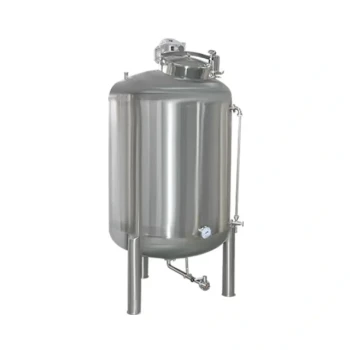
The primary function of ice packs and ice tanks in honeybee sample collection is to immediately arrest biological activity and preserve the sample's physiological state. By rapidly lowering the temperature to mimic laboratory storage conditions (approximately -5°C), these tools prevent the degradation of the sample during transit.
Core Takeaway Temperature control is the single most critical factor in maintaining data integrity for pathogen analysis. Using ice packs ensures that the biological "snapshot" taken in the field remains unaltered until it reaches the microscope, preventing false data caused by post-collection pathogen growth.
Preserving Data Accuracy Through Cold Storage
Inhibiting Pathogen Reproduction
Once a sample is removed from the hive, biological processes do not stop automatically. Immediate cooling is essential to halt the continued reproduction of pathogens within the bee.
Without this intervention, bacteria or spores could multiply during transport, leading to an artificially high infection count that does not reflect the colony's actual health.
Preventing Microorganism Degradation
Biological samples are prone to rapid decay once the host organism dies or is removed from its environment. Ice tanks act as a stasis field, significantly slowing down the degradation of microorganisms present in the sample.
This preservation ensures that the biological material remains intact for biochemical analysis, preventing the loss of sensitive markers required for study.
Ensuring Accurate Spore Counts
The ultimate goal of using ice packs is to guarantee the validity of subsequent microscopic examinations. By maintaining the sample at low temperatures, researchers ensure that spore counts performed in the lab accurately reflect the true infection level at the exact time of sampling.
Understanding the Trade-offs: Preservation vs. Vitality
It is vital to distinguish between preserving a sample for analysis and transporting a live specimen.
When to Avoid Ice
If your objective is to transport live honeybees to the laboratory for behavioral observation or colony establishment, ice packs are detrimental.
As noted in standard protocols, live transport requires plastic boxes with perforated lids to ensure ventilation and oxygen flow. Ice packs in this context would likely kill the specimens or induce cold comas, rendering them unsuitable for live experimentation.
The Specific Role of Cold Chain
The use of ice tanks and packs is specifically tailored for biochemical and pathological analysis where the priority is cellular and pathogen preservation, not insect survival.
Making the Right Choice for Your Goal
To ensure your data is valid, you must match your preservation method to your specific analytical goals.
- If your primary focus is Pathogen Quantification (e.g., Spore Counts): You must use ice packs or tanks immediately upon collection to target a temperature of -5°C and freeze the infection level in time.
- If your primary focus is Live Behavioral Study: You must avoid ice and instead use ventilated, transparent plastic containers to prevent oxygen deprivation and allow for visual monitoring.
Summary: The use of ice in sample transfer is a strict control measure that transforms a biological sample into a reliable data point by eliminating environmental variables during transport.
Summary Table:
| Goal | Storage Method | Temperature / Environment | Primary Benefit |
|---|---|---|---|
| Pathogen Analysis | Ice Packs & Ice Tanks | Approx. -5°C (Freezing) | Halts biological decay and locks spore counts. |
| Biochemical Study | Ice Packs & Ice Tanks | Controlled Cold Chain | Preserves sensitive markers and molecular integrity. |
| Live Bee Study | Ventilated Plastic Boxes | Ambient Temperature + Oxygen | Maintains insect vitality for behavioral observation. |
Elevate Your Apiary Management with HONESTBEE
Maintaining the integrity of your biological data is essential for the health of your colonies. At HONESTBEE, we specialize in supporting commercial apiaries and distributors with high-quality, professional-grade beekeeping solutions.
Our extensive portfolio includes:
- Advanced Machinery: Honey-filling and hive-making machines for industrial scale.
- Essential Tools: Comprehensive beekeeping equipment and consumables for field and lab work.
- Cultural Merchandise: Unique honey-themed products to expand your brand's reach.
Whether you are scaling up your honey production or need reliable equipment for sample collection and hive maintenance, we provide the expertise and wholesale supply chain to ensure your success.
Ready to optimize your beekeeping operations? Contact us today to discuss how our tools and machinery can serve your business!
References
- M Hosafy, Hisham M. Hussein. EVALUATING THE EFFECTIVENESS OF DIFFERENT CHEMICALS IN TREATING NOSEMA SSP HONEYBEE (APIS MELLIFERA) COLONIES UNDER ASWAN REGION CONDITIONS. DOI: 10.21608/mjard.2022.267035
This article is also based on technical information from HonestBee Knowledge Base .
Related Products
- Classic Honey Bear Jars with Flip Top Dispensing Cap for Liquid Sweeteners
- Stainless Steel Honey Storage Tank with Lid for Honey
- Professional Honey Storage Tank with Agitation System
- Premium Stainless Steel Honey Tank Bucket Pail with Reinforced Handle and Polished Finish
People Also Ask
- What food safety standards must honey containers meet? Expert Guide to Packaging Integrity & Hygiene
- Why is it important to distinguish between weight and volume when selecting honey containers? Maximize Profits Now
- What are the benefits of purchasing honey containers in bulk? Maximize Margins & Secure Your Supply Chain
- What should be considered when choosing a container for honey to ensure effective sealing? Master Honey Packaging Success
- What is the best container to store honey in? Preserve Purity & Flavor for Years