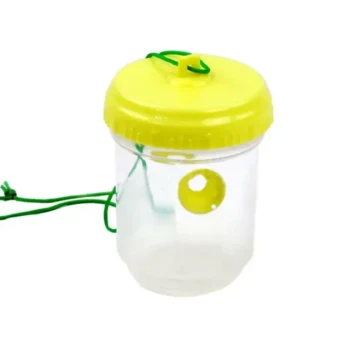
Induction-style traps function as a critical physical defense system designed to lure and capture adult Vespa velutina through the use of specific internal baits. By strategically deploying these devices around apiaries, you significantly reduce the local density of the hornet population, directly alleviating predation pressure and acting as a protective barrier for honeybee colonies.
While the immediate goal of these traps is to physically eliminate adult hornets to protect bees, their broader utility lies in monitoring invasive population dynamics and preventing nest formation during critical seasonal windows.
The Mechanics of Physical Management
Luring via Olfactory Sensitivity
These traps operate by exploiting the hornet's natural biology, specifically their olfactory sensitivities and predatory instincts.
By utilizing protein or sugar-based baits, the traps create an attractive focal point that draws hornets into a fixed area. This induction mechanism effectively diverts the predators away from the beehives and into the containment device.
Reducing Predation Pressure
The primary metric of success for these traps is the reduction of population density in the immediate vicinity of an apiary.
When deployed effectively, they serve as a protective barrier, intercepting foraging hornets before they can attack the hive. This physical removal of adults directly lowers the threat level, ensuring greater safety for the colony.
Strategic Timing and Monitoring
Targeting Queens for Colony Prevention
Beyond general population reduction, these traps serve a vital preventative function during the spring season.
By using sweet attractants to target queens who have a high physiological demand for sugar after overwintering, you can prevent the establishment of new colonies. Trapping a queen at this stage stops a nest from forming at the source, offering a high-leverage method of control.
Surveillance and Data Collection
Induction traps are not solely tools for elimination; they are essential for monitoring population dynamics.
They serve as industrial-grade indicators that allow pest control managers to track the spread of the invasion. The capture data helps evaluate the overall effectiveness of current pest control strategies, allowing for data-driven adjustments.
Understanding the Trade-offs
The Challenge of Selectivity
A significant limitation of mass trapping equipment is that it often lacks high selectivity in its induction mechanisms.
Because the baits appeal to a wide range of insects, there is a risk of accidental capture of non-target species. This "bycatch" can harm local ecological biodiversity, making the indiscriminate use of these traps a potential environmental liability.
Mitigating Environmental Risks
To balance pest control with ecological preservation, the industry is shifting toward specialized attractants.
The goal is to develop trapping consumables that specifically target Vespa velutina while ignoring beneficial native insects. Utilizing traps with generic baits requires careful management to minimize these environmental risks.
Optimizing Your Trapping Strategy
To maximize the effectiveness of induction-style traps while minimizing harm, align your usage with your specific management goals:
- If your primary focus is immediate apiary defense: Deploy traps around the perimeter of the apiary to create a barrier that reduces predation pressure on active hives.
- If your primary focus is long-term population control: Prioritize spring trapping with sweet attractants to capture overwintering queens, thereby preventing future nest formation.
- If your primary focus is ecological preservation: Exercise caution with generic baits and seek out specialized attractants designed to minimize the accidental capture of non-target native insects.
Effective physical management requires balancing aggressive trapping with responsible ecological stewardship.
Summary Table:
| Feature | Function in Physical Management | Strategic Goal |
|---|---|---|
| Luring Mechanism | Uses olfactory baits (protein/sugar) to attract hornets | Divert predators away from honeybee hives |
| Population Control | Captures adult hornets and overwintering queens | Reduce local density and prevent new nest formation |
| Apiary Defense | Creates a physical barrier around the perimeter | Minimize immediate predation pressure on colonies |
| Monitoring | Tracks capture data and invasion dynamics | Inform data-driven pest control strategies |
| Environmental Impact | Addresses selectivity and non-target bycatch | Balance pest elimination with ecological preservation |
Secure Your Apiary with Industrial-Grade Solutions
As the threat of invasive predators grows, commercial apiaries and distributors need reliable, professional-grade equipment to safeguard their investments. HONESTBEE provides a comprehensive wholesale range designed for the modern beekeeping industry. From advanced induction traps and specialized attractants to industrial honey-filling machines and hive-making hardware, we supply the full spectrum of tools, machinery, and consumables required to scale your operations.
Partner with HONESTBEE to access high-leverage pest management tools and premium honey-themed merchandise that add value to your business. Let us help you protect your colonies and optimize your production—contact us today to explore our wholesale portfolio!
References
- Krystal L. Ashman, Cameron Jack. Yellow-Legged Hornet (suggested common name), Vespa velutina (Lepeletier 1836) (Insecta: Hymenoptera: Vespidae). DOI: 10.32473/edis-in1282-2020
This article is also based on technical information from HonestBee Knowledge Base .
Related Products
- Compact Multi-Funnel Hanging Wasp Trap
- Professional Queen Catcher and Introduction Queen Cage
- Professional Bucket Style Wasp and Moth Pheromone Trap
- Professional Multi-Component Bucket Wasp Trap
- Removable Washable Hive Beetle Trap Attractants for Small Hive Beetles
People Also Ask
- What are the practical advantages of using professional wasp traps and protective equipment in apiary management? Scale Up
- Why replace sugar syrup bait in wasp traps every three days? Ensure Maximum Attraction and Catch Rates
- What is the importance of deploying hornet traps around an apiary for maintaining colony stability? Protect Your Yields.
- What are the advantages of placing hornet traps on the tops of beehives? Maximize Hive Defense Against Predators
- What is the technical purpose of placing expanded clay balls in a hornet trap? Optimize Your Apiary Monitoring