Pollen traps serve as the primary physical data collection point for verifying honey origin. Installed at the hive entrance, these devices intercept returning bees to collect specific pollen pellets—notably the distinct purple-beige pollen of the fireweed genus—which provide the essential biological baseline needed to calculate the precise ratio of fireweed nectar within a harvest.
The pollen trap is a quantitative tool, not just a collection device. By systematically sampling the forage brought into the hive, it provides the physical evidence required to verify botanical origin and determine the percentage of fireweed contribution against other local floral sources.
The Mechanism of Physical Interception
The Grid Interface
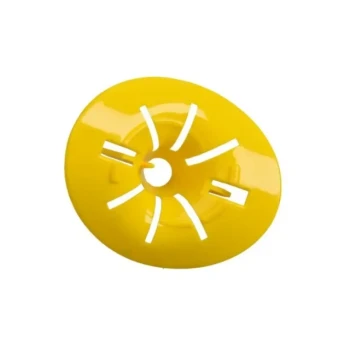
Pollen traps function by partially restricting the hive entrance with a precision-designed grid, wire mesh, or plastic plate containing star-shaped holes.
These apertures are sized specifically to allow the body of the bee to pass through while being too narrow for the pollen pellets attached to their hind legs.
Separation and Collection
As foraging bees crawl through these specific openings, the walls of the grid physically scrape or strip the pollen baskets from their legs.
The dislodged pollen falls through a protective screen into a distinct collection tray, isolating the sample from the colony while allowing the bee to enter the hive and continue working.
Analyzing Fireweed Contribution
Visual Identification
For fireweed honey specifically, the trap enables immediate visual verification through color differentiation.
The primary reference notes that fireweed pollen manifests as a distinct purple-beige pellet, allowing for rapid segregation from other floral sources.
Establishing Component Ratios
The collected samples serve as the foundation for pollen component analysis.
By quantifying the mass and frequency of these purple-beige pellets compared to other pollens, analysts can accurately assess how much the fireweed nectar source contributed to the total honey yield in that geographic area.
Understanding the Trade-offs
Collection Efficiency Limits
It is important to note that pollen traps are not absolute filters; their effectiveness depends on the relationship between hole size and pellet size.
Traps typically capture between 30% and 70% of the pollen returning to the hive, meaning they provide a statistical sample rather than a comprehensive census of every single floral visit.
Colony Considerations
While designed to gather data without harming bees, these traps do restrict the entrance and reduce the colony's incoming protein stores.
Beekeepers must use traps strategically to gather necessary data for origin assessment without negatively impacting colony development or honey storage during peak flows.
Making the Right Choice for Your Goal
To effectively utilize pollen traps for fireweed verification, consider your specific objective:
- If your primary focus is origin verification: Use the trap to isolate purple-beige pellets to create a physical reference standard for that season's specific floral bloom.
- If your primary focus is resource management: Utilize the trap's quantitative data to track the exact timeline of the fireweed bloom, removing the trap once the ratio of purple-beige pollen begins to decline.
Accurate honey identification begins at the entrance of the hive, where physical evidence transforms into verifiable data.
Summary Table:
| Feature | Function/Metric | Impact on Honey Analysis |
|---|---|---|
| Grid Mechanism | Physical interception of pellets | Provides tangible samples for testing |
| Visual Indicator | Purple-beige pollen identification | Rapid verification of fireweed origin |
| Capture Efficiency | 30% to 70% of returning pollen | Provides a reliable statistical sample |
| Component Analysis | Mass and frequency calculation | Determines precise nectar contribution ratios |
Scale Your Commercial Honey Production with HONESTBEE
Elevate your apiary operations with HONESTBEE, the leading partner for commercial apiaries and distributors. We provide a comprehensive wholesale offering, from precision beekeeping tools and industry consumables to specialized machinery like hive-making and honey-filling machines.
Whether you are verifying botanical origins or scaling your harvest, our premium equipment ensures efficiency and quality at every stage. Contact us today to discuss your wholesale needs and see how our hardware and industry expertise can bring superior value to your business.
References
- И. Д. Самсонова, А. А. Плахова. Zonal features of bioecological properties and honey productivity of species of the family Onagraceae Juss. DOI: 10.31677/2072-6724-2022-63-2-97-103
This article is also based on technical information from HonestBee Knowledge Base .
Related Products
- Removable Plastic Pollen Trap With Ventilated Tray for Bees Pollen Collector
- 30 cm Plastic Entrance Hole Bee Pollen Trap and Collector
- Plastic Bee Pollen Trap Strips Comb Catcher Collector
- 8 Frame and 10 Frame Propolis Trap Collector Screen for Propolis Collection
- Professional Bucket Style Wasp and Moth Pheromone Trap
People Also Ask
- What are the design principles and advantages of pollen traps in the collection of bee pollen? Boost Your Apiary Yield
- What is the function of professional pollen traps in evaluating honey plants? Quantifying Pollination and Crop Potential
- What functions do pollen traps serve for bee bread production? Optimize Your Raw Material Collection
- What maintenance and pest prevention measures should be taken for pollen traps? Protect Your Hive and Harvest Quality
- How does the use of pollen traps in honeybee hives enhance crop fertilization? Boost Your Yield Through Induced Activity