Queen Banks serve as high-density life-support systems for commercial beekeepers, allowing for the centralized storage of dozens of queens during the winter months. By housing individual queens in isolated cages within a single, populous colony, these facilities leverage the natural behaviors of nurse bees to maintain the queens' vital signs without the need for separate hives for each one.
Queen Banks function essentially as biological stasis chambers, relying on the collective warmth and glandular secretions of nurse bees to sustain the basal metabolism of multiple queens throughout indoor overwintering.
The Mechanics of Mass Storage
High-Density Housing
A Queen Bank is designed to maximize efficiency by placing dozens of queens into a single colony structure.
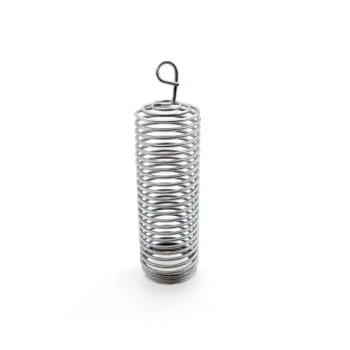
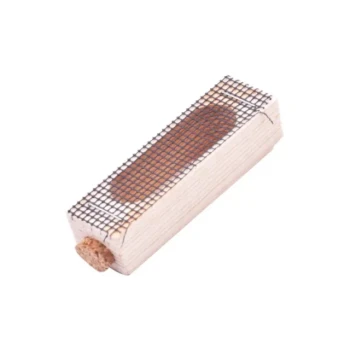
Rather than roaming freely, each queen is confined to an individual queen cage. This isolation prevents conflict between queens while keeping them contained within the shared environment of the host colony.
The Role of Nurse Bees
The success of a Queen Bank relies entirely on a large population of nurse bees.
These worker bees act as the caretakers for the banked queens. They are free to move between the cages, providing the care required to keep the confined queens alive.
Thermal Regulation
One of the primary functions of the nurse bee population is thermoregulation.
The high density of bees generates the warmth necessary to provide a constant survival temperature. This protects the queens from the fluctuations of winter weather that would otherwise be fatal to a solitary insect.
Nutritional Support
Beyond warmth, the nurse bees provide critical nutrition through trophallaxis (food exchange).
Specifically, they provide hypopharyngeal and mandibular gland secretions. These specialized nutrients are essential for maintaining the queens' basal metabolism, ensuring they survive the extended overwintering period in a healthy state.
Management and Identification
Inventory Control
Because a single bank holds many queens, distinguishing them is critical for effective management.
Queens are typically marked with a standardized colored ink dot on the thorax. This makes the queen significantly easier to locate and identify within the bustling environment of the bank.
Age Tracking
The marking system also serves as a data point for the beekeeper.
The color of the mark follows an international code representing the birth year. This allows beekeepers to track the age of stored queens and make informed decisions about when to replace older stock with more productive genetics.
Operational Constraints
Dependency on Colony Strength
The survival of every queen in the bank is tied to the health of the single host colony.
If the population of nurse bees drops or fails to generate sufficient heat, all stored queens are at risk. The system requires a robust, healthy workforce to function effectively.
Maintenance Mode Only
It is important to understand that Queen Banks are for storage, not production.
The queens are maintained at a basal metabolic rate for survival. They are not actively laying eggs or expanding a colony during this period of confinement.
Strategic Application in Beekeeping
If your primary focus is resource efficiency:
- Utilize Queen Banks to consolidate excess queens into a single unit, reducing the equipment and resources needed compared to overwintering full nucleus colonies.
If your primary focus is inventory management:
- Rely on the international color-coding system to segregate queens within the bank, ensuring you deploy the correct age class when spring operations begin.
If your primary focus is risk mitigation:
- Ensure the host colony has an overwhelming population of nurse bees; the safety of your stored stock depends entirely on their ability to generate heat and secretions.
By converting a biological dependency into a scalable storage solution, Queen Banks allow commercial operations to stabilize their supply chain through the winter.
Summary Table:
| Feature | Function in Queen Bank |
|---|---|
| High-Density Housing | Stores dozens of queens in individual cages within one colony |
| Nurse Bee Support | Provides thermal regulation and nutrition via glandular secretions |
| Identification System | Uses international color-coding for age tracking and inventory |
| Primary Purpose | Maintenance and storage (not egg production) |
| Key Dependency | Relies on a robust, healthy population of host nurse bees |
Maximize Your Colony Success with HONESTBEE
Efficient queen management is the backbone of any successful commercial apiary. HONESTBEE is dedicated to supporting commercial beekeepers and distributors with the high-quality tools required for professional-scale operations. From specialized queen-rearing equipment and queen cages to advanced honey-processing machinery, we provide the comprehensive wholesale solutions you need to scale your business.
Whether you are looking for durable beekeeping hardware or essential industry consumables, our portfolio is designed to enhance your operational efficiency and protect your valuable genetics. Partner with HONESTBEE today to access premium equipment and expert support tailored for the modern beekeeping industry.
References
- Leslie A. Holmes, Shelley E. Hoover. Queen honey bee (<i>Apis mellifera)</i> survival and colony performance after overwintering mated queens indoors. DOI: 10.1093/jee/toaf022
This article is also based on technical information from HonestBee Knowledge Base .
Related Products
- JZBZ Type Wide Base Plastic Queen Cell Cups for Base Mounting and Queen Rearing
- Premium Nicot Style Cell Bar Holder and Queen Cell Cup Holder System
- Durable Galvanized Steel Spring Queen Bee Cage
- Classic Wooden and Mesh California Queen Cage
- Professional Queen Catcher and Introduction Queen Cage
People Also Ask
- What are the primary advantages of using plastic queen cell cups? The Industrial Choice for High-Efficiency Apiaries
- What technical advantages do commercial plastic queen cell cups offer? Scale Your Queen Rearing for Maximum Efficiency
- What is the function of standardized plastic Queen Cell Cups? Boost Efficiency in Commercial Larval Grafting
- Why are standardized plastic queen cell cups preferred? Boost Commercial Queen Rearing Efficiency
- Why are standardized plastic queen cell cups typically used in large-scale queen bee production? Boosting Apiary Output