Queen bee candy acts as a dual-purpose survival and security system. It primarily serves as a nutritional source for the queen and her attendants during transit, and secondarily functions as a timed-release mechanism during hive introduction. By physically blocking the cage exit, the candy forces the colony to chew through the barrier over several days, delaying direct contact until the hive has accepted the new queen.
The candy is not merely food; it is a biological timer. It enforces a mandatory synchronization period that allows the new queen's pheromones to permeate the hive, suppressing the colony's natural instinct to reject or attack her before she is released.
The Mechanics of Queen Candy
Nutritional Support
During the transport phase, the queen is removed from her natural resources. The candy provides essential food and hydration to keep the queen and her accompanying attendant bees alive.
This nutritional reserve is critical for maintaining the queen's physiological activity and lowering stress levels during shipment, typically lasting between 36 to 48 hours.
The Time-Release Barrier
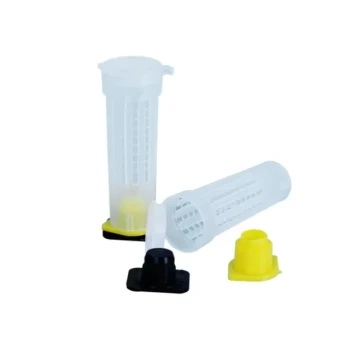
Physically, the candy is a plug made of firm sugar paste or fondant that blocks the exit of the transport cage.
Once placed inside the hive, a biological "excavation" begins. The resident colony workers chew the candy from the outside, while the queen and her attendants consume it from the inside.
This chewing process creates an automatic, gradual release path that requires no human intervention once the cage is placed.
Why the Delay is Critical
Pheromone Acclimatization
A honeybee colony relies on scent to identify friend from foe. A new queen represents a foreign biological signal.
The time it takes to consume the candy barrier—usually two to three days—allows the new queen's pheromones to slowly drift into the hive.
Preventing Rejection
If a queen were released immediately, the resident bees would perceive her as an intruder. This often leads to "balling," where workers surround and kill the new queen.
The candy delay ensures that by the time the physical barrier is removed, the colony has already chemically "adopted" her, significantly increasing the success rate of introduction.
Common Pitfalls to Avoid
Inconsistent Consistency
The effectiveness of the candy relies entirely on its texture. The mixture of warmed liquid sugar and dried sugar must be precise.
If the candy is too soft, the bees will consume it too quickly. This releases the queen before the colony has acclimated to her pheromones, leading to potential rejection or death.
Hardening Issues
Conversely, if the candy is too hard or dries out during transport, the workers may be unable to chew through it effectively.
This can result in the queen being trapped inside the cage for too long, requiring manual release which disturbs the hive and risks the introduction process.
Ensuring a Successful Introduction
- If your primary focus is Colony Acceptance: Ensure the candy plug is intact and firm enough to require at least 48 hours for the bees to consume, guaranteeing pheromone saturation.
- If your primary focus is Queen Survival: Verify that the candy remains accessible and has not dried out completely during a long shipment, as this is her only source of hydration.
By utilizing the candy as a calculated delay mechanism, you transform a hostile introduction into a natural, chemical integration.
Summary Table:
| Function | Primary Purpose | Key Benefit |
|---|---|---|
| Nutritional Support | Food & hydration during transit | Maintains queen health for 36-48 hours |
| Time-Release Barrier | Delays direct contact with colony | Forces gradual introduction via chewing |
| Pheromone Acclimatization | Scent synchronization | Prevents "balling" and colony rejection |
| Biological Timer | Automatic release mechanism | Eliminates the need for manual intervention |
Maximize Your Apiary Productivity with HONESTBEE
At HONESTBEE, we understand that successful queen introduction is the heartbeat of a thriving apiary. As a premier partner for commercial apiaries and distributors, we provide more than just tools; we offer reliability.
Our comprehensive wholesale range includes:
- Precision Beekeeping Tools: High-quality transport cages and hive-making machinery.
- Processing Efficiency: Professional-grade honey-filling machines and harvesting equipment.
- Essential Consumables: A full spectrum of supplies to maintain hive health and performance.
Whether you are scaling a commercial operation or supplying the next generation of beekeepers, HONESTBEE delivers the hardware and expertise you need to succeed. Contact us today to explore our wholesale solutions!
Related Products
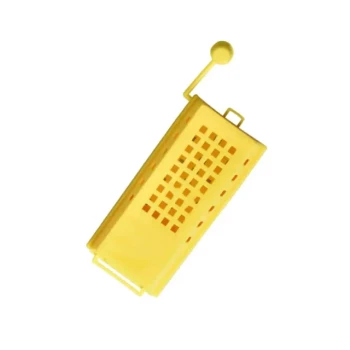
- Multi-Function Queen Roller Cage and Catcher
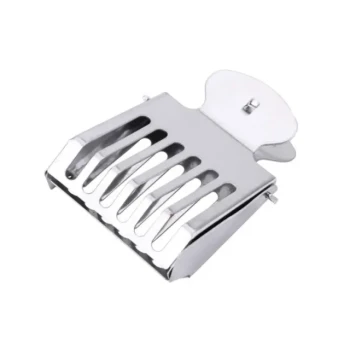
- Durable Galvanized Steel Spring Queen Bee Cage
- Queen Bee Catcher Plastic Bee Marker Bottle with Piston Marking Tube
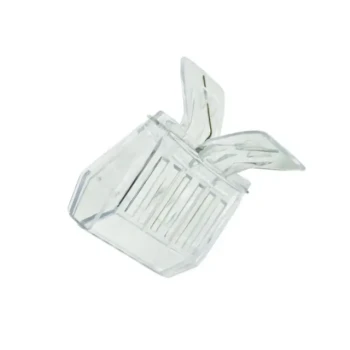
- Professional Queen Bee Introduction and Transport Cage
- Professional Queen Cage with Sliding Gate and Feeder Plug
People Also Ask
- How are queen cages used to protect newly hatched queens? Secure Your Virgin Queens During Development
- Why are queen cages or grid cages used in bee studies? Achieve Precise Biological Data for Research
- What functional advantages does an extra compartment for queen cells provide in a multifunctional queen bee cage? Pro Tips
- In what way does the design of a multifunctional queen bee cage protect feed supplies in high-humidity environments?
- What is the mechanism of action for using temporary queen bee cages? Master Successful Queen Introduction