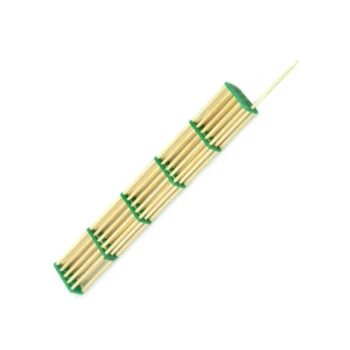
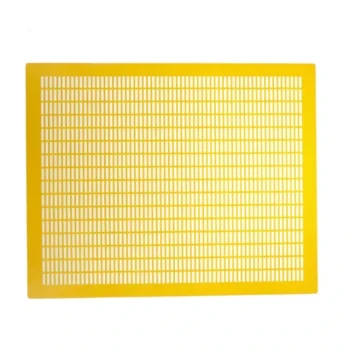
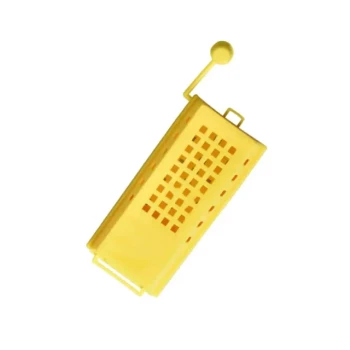
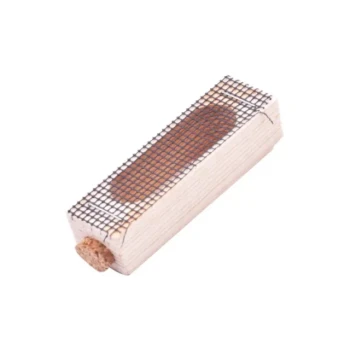
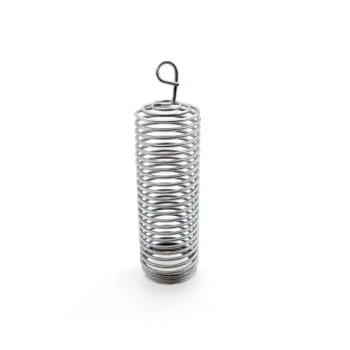
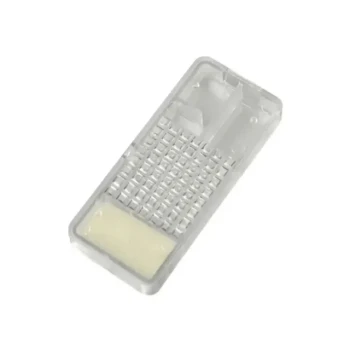
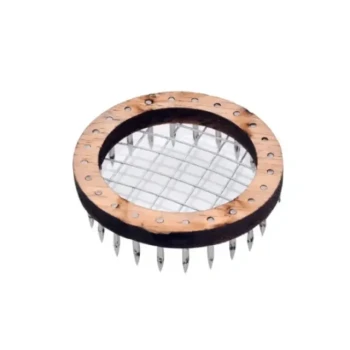
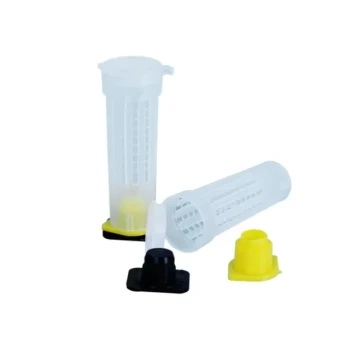
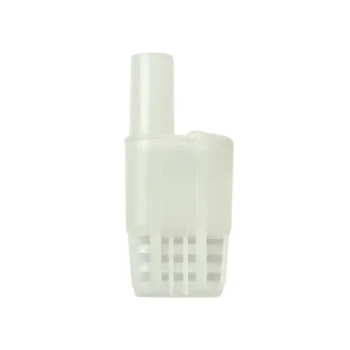
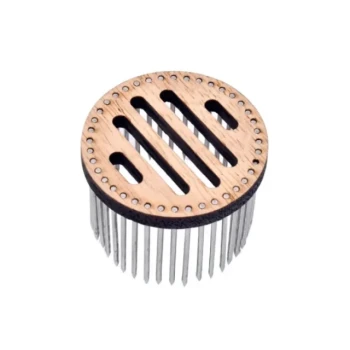
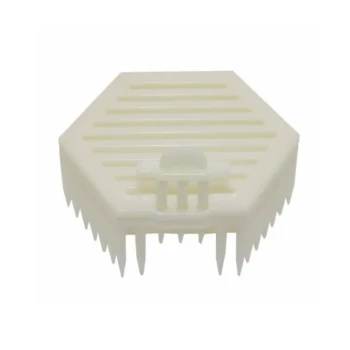
Queen Excluders and Queen Cages are precision management tools that fundamentally rely on the physical size disparity between larger queen bees and smaller worker bees. While their form factors differ, both devices function to restrict the queen's movement to specific areas, allowing beekeepers and researchers to control egg-laying locations, protect the queen from aggression, and manage the precise age of the colony's population.
Core Takeaway These tools transform beekeeping from observation to active management by physically segregating the queen. Whether for harvesting pure honey, rearing queens, or conducting scientific research, the goal is always to control biological variables—specifically the timing of egg-laying and the safety of the queen.
Spatial Control: The Queen Excluder
The Mechanism of Exclusion
The Queen Excluder is a physical barrier, typically a grid or screen. Its design is simple but effective: the gaps are large enough for worker bees to pass through freely but too narrow for the larger thorax of a queen bee.
This allows the colony to function cohesively as a single unit while geographically restricting the reproductive center of the hive.
Controlling Egg Cohorts for Research
According to primary research methodology, the most critical scientific function of the excluder is the creation of uniform age cohorts.
By restricting the queen to specific honeycombs for a set period, researchers ensure all eggs in that section are laid within a narrow time window.
This eliminates age-related variables, providing standardized populations essential for developmental and behavioral studies.
Precision in Drone Rearing
In breeding programs, excluders are used to create "isolators" on specific drone combs.
This forces the queen to lay drone eggs in a designated area. This precise timing allows breeders to track the exact age of emerging drones, which is vital for studying sexual maturity patterns and ensuring successful mating.
Protecting Honey Resources
In general colony management and queen rearing, the excluder prevents the queen from entering "honey supers" (the upper boxes of the hive).
This ensures that the frames intended for honey harvest or larval grafting remain free of brood (developing bees), protecting the purity of the harvest and the integrity of the larvae intended for grafting.
Isolation and Protection: The Queen Cage
Safe Queen Introduction
The introduction cage acts as a crucial safety device when introducing a new queen to an existing colony. It serves as both a physical shield and an odor buffer.
Worker bees often reject foreign queens or attack them due to the scent of marking paint.
The mesh of the cage allows workers to contact the queen and acclimate to her pheromones gradually without being able to sting or ball her, significantly increasing survival rates.
Laboratory Standardization
In controlled laboratory settings, colony-specific cages are used to isolate different treatment groups.
These cages are designed to provide standardized feeding interfaces. This ensures every group receives an identical supply of syrup and pollen.
By standardizing the environment, researchers can conduct longevity testing without the results being skewed by competition for food or unequal resource distribution.
Common Pitfalls and Considerations
The Necessity of Free Movement
While restricting the queen is the goal, the restriction of workers is a failure point.
The design of excluders and isolators must ensure that worker bees can pass through without struggle. If workers cannot easily nurse larvae or attend to the queen, the colony's health will deteriorate.
Timing is Critical
In both introduction and breeding, the duration of isolation matters.
Releasing a queen from an introduction cage before her pheromones have been accepted will lead to rejection. Conversely, restricting a queen to a small laying area for too long can limit colony growth or induce swarming behavior due to congestion.
Making the Right Choice for Your Goal
To select the right hardware for your needs, consider the specific biological variable you are trying to control.
- If your primary focus is Scientific Research: Use excluders to restrict the queen to specific frames to create egg cohorts of an exact, uniform age for analysis.
- If your primary focus is Queen Introduction: Use an introduction cage to act as a pheromone buffer, protecting the new queen from worker aggression until her scent is accepted.
- If your primary focus is Honey Production: Use a standard excluder between the brood box and supers to keep your honey harvest free of eggs and larvae.
- If your primary focus is Lab Testing: Use colony-specific cages with standardized feeding ports to ensure diet does not become a confounding variable in longevity studies.
Mastery of these tools allows you to dictate the timeline and structure of the hive, rather than simply reacting to the colony's natural instincts.
Summary Table:
| Tool Type | Primary Mechanism | Key Function in Management | Main Benefit |
|---|---|---|---|
| Queen Excluder | Size-selective grid/screen | Restricts queen to specific boxes/frames | Creates uniform age cohorts; keeps honey supers brood-free |
| Queen Cage | Mesh isolation chamber | Protects queen during introduction or transport | Prevents worker aggression; allows pheromone acclimation |
| Drone Isolator | Targeted frame exclusion | Forces egg-laying on drone combs | Precise timing for tracking drone sexual maturity |
| Lab Cage | Standardized enclosure | Isolates groups for controlled testing | Ensures identical feeding and environment for research |
Elevate Your Apiary Operations with HONESTBEE
Precision in queen management is the backbone of a successful commercial apiary. At HONESTBEE, we specialize in empowering commercial beekeepers and distributors with the high-quality tools necessary for professional colony control.
From durable queen excluders and introduction cages to advanced honey-filling and hive-making machinery, we provide a comprehensive wholesale catalog designed for scale and efficiency. Whether you are conducting scientific research or managing thousands of colonies, our equipment ensures the safety of your queens and the purity of your honey harvest.
Partner with the industry experts. Explore our full spectrum of beekeeping hardware and essential consumables today.
Contact HONESTBEE for Wholesale Solutions
References
- Benjamin P. Oldroyd, Madeleine Beekman. Effects of Selection for Honey Bee Worker Reproduction on Foraging Traits. DOI: 10.1371/journal.pbio.0060056
This article is also based on technical information from HonestBee Knowledge Base .
Related Products
- Professional Bamboo Queen Isolation Cage
- Professional Queen Catcher and Introduction Queen Cage
- High Performance Plastic Queen Excluder for Beekeeping and Apiary Management
- Professional Plastic Queen Excluder for Modern Beekeeping
- Professional Queen Cage with Sliding Gate and Feeder Plug
People Also Ask
- Why are specialized queen bee cages used for the banking of mated queen bees? Maximize Commercial Apiary Storage Efficiency
- What is the mechanism of action for using temporary queen bee cages? Master Successful Queen Introduction
- How does the side ventilation design of a queen bee cage impact the safety of the queen during long-distance transport?
- What should you do if the queen is still in the cage and the worker bees have not accepted her? Protect Your Colony from Queen Rejection
- What technical precaution must be taken regarding the mesh or grill side of a queen bee cage? Ensure Queen Survival