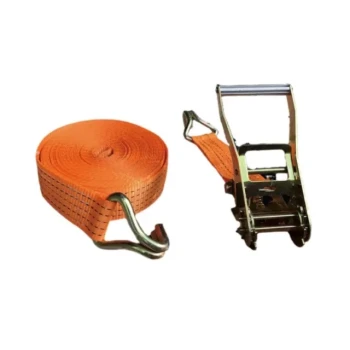
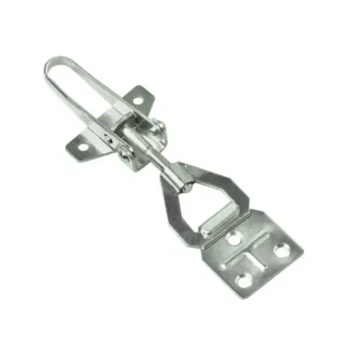
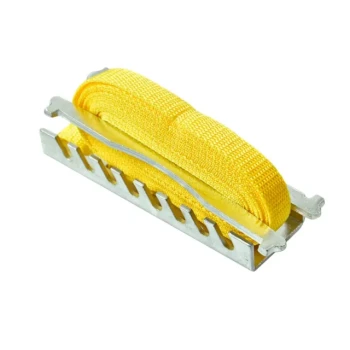
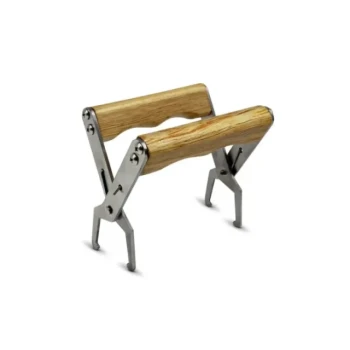
The primary function of specialized beehive transport and loading equipment is to safeguard colony health during long-distance relocation while maximizing logistical efficiency. These systems integrate ventilation and shock-absorbing structures to prevent mortality from heat and vibration, while mechanical loading tools ensure rapid deployment to capture peak nectar flows.
By minimizing transit stress and reducing handling time, this equipment allows beekeepers to "chase the bloom" effectively, transforming geographical migration into a reliable method for increasing total annual honey production.
Protecting the Biological Asset
The core challenge in migratory beekeeping is moving live insects without killing them or degrading their ability to work. Specialized transport equipment addresses the two main threats to colony survival: heat and physical trauma.
Managing Thermal Load
Honeybee colonies generate significant metabolic heat, especially when confined. Integrated ventilation systems are the most critical function of transport vehicles.
Without forced airflow, hives packed closely together can quickly succumb to overheating. Specialized equipment ensures continuous air circulation, preventing the "meltdown" of wax combs and mass suffocation of the bees.
Reducing Physical Trauma
Road travel subjects hives to constant shaking and jolts. Shock-absorbing structures within the transport vehicle dampen these vibrations.
Excessive vibration can collapse heavy honey combs, crushing the queen or brood. By stabilizing the load, the equipment ensures the hive structure remains intact and the colony arrives calm rather than agitated or damaged.
Maximizing Production Windows
Beyond survival, specialized equipment functions as a productivity tool. It aligns the logistics of movement with the biological timing of flowering plants.
Rapid Deployment
Nectar flows are often short-lived. Complementary loading and unloading equipment (such as forklifts or hydraulic lifts adapted for hives) drastically reduces the time spent at each site.
This speed minimizes "downtime"—the period where bees are confined and unable to forage. Faster unloading allows the colony to begin collecting nectar immediately upon arrival, capturing the full volume of a bloom.
Extending the Season
Standard transport limits a beekeeper to local flora. Specialized gear facilitates phenological tracking, or following the blooming cycles of plants across different altitudes and regions.
By enabling safe, frequent travel, beekeepers can move from early-blooming lowlands to late-blooming highlands. This effectively eliminates the "dearth" periods found in stationary beekeeping, keeping the colony in a perpetual state of high productivity.
Understanding the Trade-offs
While specialized equipment is essential for high-yield commercial operations, it introduces specific operational risks and costs that must be managed.
Dependency on Mechanical Reliability
The safety of the bees is entirely dependent on the equipment functioning correctly. Ventilation failure during a long haul is catastrophic.
Unlike an open truck where passive wind provides air, a specialized enclosed unit that loses power can kill hundreds of colonies in a very short time. Rigorous maintenance protocols are not optional; they are a survival requirement.
Increased Capital Intensity
Specialized loading gear and modified vehicles represent a significant overhead cost. Return on investment relies heavily on the successful capture of multiple nectar flows.
If a season is poor due to weather (e.g., rain washing out the nectar), the high fixed costs of the equipment remain, potentially threatening the financial viability of the operation for that year.
Making the Right Choice for Your Goals
When evaluating transport and loading solutions, your investment should align with your specific operational bottlenecks.
- If your primary focus is reducing colony mortality: Prioritize vehicles with active, redundant ventilation systems and high-grade suspension to mitigate heat and vibration.
- If your primary focus is maximizing honey volume: Invest heavily in rapid loading/unloading mechanics to minimize downtime and ensure you never miss the peak of a short nectar flow.
The ultimate value of this equipment lies not just in moving boxes, but in delivering a healthy, stress-free workforce to the right place at the exact right time.
Summary Table:
| Feature | Primary Function | Business Impact |
|---|---|---|
| Integrated Ventilation | Prevents overheating and wax meltdown | Reduces colony mortality during transit |
| Shock-Absorbing Structures | Dampens vibrations and jolts | Protects queen, brood, and comb integrity |
| Mechanical Loading Tools | Enables rapid deployment at sites | Minimizes downtime and captures peak flows |
| Phenological Tracking | Facilitates safe, long-distance travel | Extends the foraging season and total yield |
| Redundant Power Systems | Ensures continuous airflow | Mitigates risk of catastrophic mechanical failure |
Scaling Your Migratory Operation? Let HONESTBEE Power Your Growth!
As a commercial apiary or distributor, your success depends on the health of your colonies and the speed of your logistics. HONESTBEE provides the professional-grade infrastructure needed to thrive in the demanding world of migratory beekeeping.
We offer a comprehensive wholesale range including:
- Precision Machinery: From hive-making to honey-filling systems.
- Beekeeping Essentials: A full spectrum of tools, equipment, and consumables.
- Cultural Merchandise: Unique honey-themed products to diversify your revenue.
Whether you are upgrading your fleet or stocking a distribution network, our expert team is ready to supply you with high-performance solutions that ensure your bees arrive healthy and your harvests remain high.
Contact HONESTBEE Today to Discuss Your Wholesale Needs
References
- Pablo Sierra Figueredo, Juan Manuel Zaldívar-Cruz. Aspectos a valorar dentro de la bioeconomía y su sendero de eco – intensificación para el buen desempeño de la actividad apícola ante la variabilidad de la Actividad Solar y Geomagnética y los cambios climáticos. DOI: 10.5377/ribcc.v1i1.2149
This article is also based on technical information from HonestBee Knowledge Base .
Related Products
- Plastic Transporting Bee Packages and Nuc Boxes for Beekeeping
- Heavy Duty Ratchet Hive Strap
- Premium Comfort Grip Spring-Loaded Hive Handles
- Durable Plastic Interlocking Hive Connector for Beekeeping
- Heavy Duty Adjustable Hive Connector
People Also Ask
- What role do bee package boxes play in the commercial transport and expansion of honeybee colonies? - Logistic Essentials
- What are beekeeping boxes called? A Guide to Hive Bodies and Box Types
- How do standardized bee packages serve as a recovery mechanism for commercial beekeeping? Ensure Business Continuity
- What is the commercial value of using standardized bee packages? Drive Scalability in Large-Scale Apiaries
- Why is the timely introduction of high-quality bee packages critical? Save Your Apiary from Asian Hornet Invasions