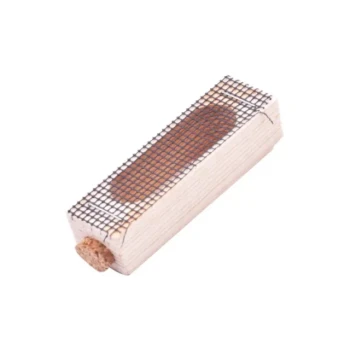
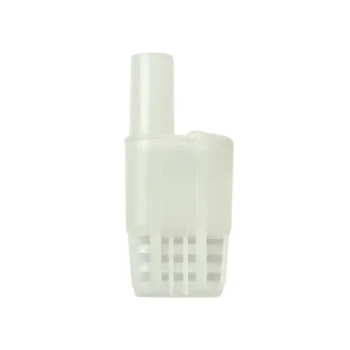
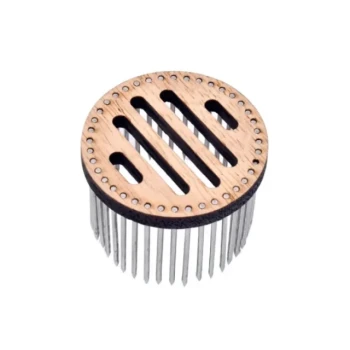
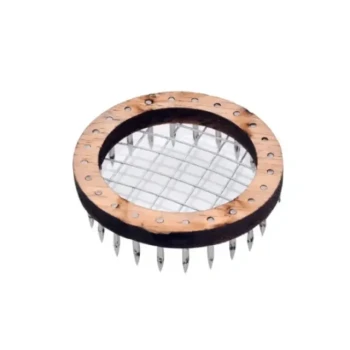
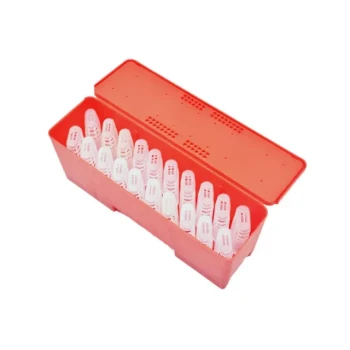
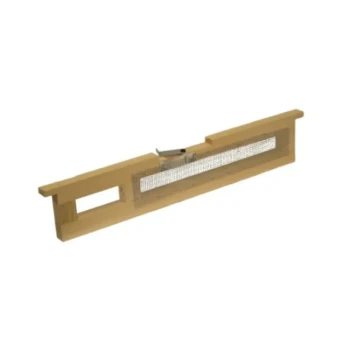
Specialized insect breeding cages function as the foundation for controlled laboratory research, transforming the variable environment of a hive into a standardized setting. Their primary purpose is to isolate specific experimental groups, ensuring that researchers can precisely measure mortality, observe behavior, and administer exact dosages of medications or pathogens without the risk of bee escape.
The core value of these cages lies in variable elimination: they allow researchers to observe behavioral changes and calculate mortality rates in a strictly controlled environment, ensuring that results are driven by the experimental treatment rather than external factors.
Establishing Experimental Rigor
To conduct valid pathology experiments, researchers must remove the chaotic variables found in nature. Specialized cages achieve this through specific structural and functional features.
Standardization of Environment
In a typical hive, environmental factors fluctuate constantly. Specialized cages provide a standardized and controlled environment.
This consistency is vital for beekeeping pathology. It ensures that every bee in the experiment is subject to identical conditions, making the data comparable across different test groups.
Effective Isolation
Cross-contamination is a major risk in pathology studies. These cages allow for the effective isolation of different experimental groups.
By physically separating groups, researchers can test different pathogens or treatments simultaneously without the risk of interaction or drift between subjects.
Prevention of Escape
Containment is critical when working with specific pathogens or controlled substances. The structural design of these cages is engineered specifically to prevent bee escape.
This feature ensures the safety of the laboratory environment and maintains the integrity of the sample size throughout the duration of the experiment.
Precision in Treatment and Data Collection
Beyond mere containment, these cages are active tools for delivering treatments and gathering data.
Precise Dosage Control
One of the most difficult challenges in field experiments is knowing exactly how much treatment a bee consumes. These cages facilitate the precise control of medication dosages.
Researchers can administer exact amounts of active ingredients, removing the guesswork associated with open-hive treatments.
Integrated Feeding Systems
To support this precision, the cages feature integrated feeders.
These mechanisms enable the direct delivery of medicated syrups or specific pathogens. This ensures that the substance is delivered efficiently to the test subjects without external interference.
Accurate Mortality and Behavior Tracking
The controlled viewing area facilitates the continuous observation of behavioral changes.
Additionally, the closed system makes the calculation of mortality rates highly accurate, as no bees can leave the cage to die elsewhere, a common issue in field studies.
Common Pitfalls to Avoid
When conducting pathology experiments, failure to utilize the specific features of these cages can compromise data integrity.
Avoiding Dosage Ambiguity
A common mistake in general research is assuming a population has consumed a treatment.
You must utilize the integrated feeders to guarantee uptake. Relying on passive exposure rather than direct delivery via the cage's feeder system undermines the precision of the dosage data.
Preventing Cross-Contamination
Inadequate isolation destroys experimental validity.
The "effective isolation" capability of these cages is only as good as the handling protocols. Researchers must ensure that the structural integrity of the cage remains intact to maintain the barrier between control and experimental groups.
Making the Right Choice for Your Research
Using specialized cages is about aligning your equipment with your data requirements.
- If your primary focus is Toxicology or Treatment Efficacy: rely on the integrated feeders to control precise medication dosages and prevent environmental dilution.
- If your primary focus is Pathogenicity or Survival Rates: leverage the containment features to ensure accurate mortality rate calculations by preventing subject loss or escape.
By standardizing the environment and securing the test subjects, specialized breeding cages turn anecdotal observation into rigorous, quantifiable science.
Summary Table:
| Key Function | Benefit to Pathology Research | Feature Utilized |
|---|---|---|
| Variable Elimination | Ensures results are driven by treatments, not external factors | Standardized controlled environment |
| Effective Isolation | Prevents cross-contamination between pathogens and control groups | Physical structural barriers |
| Dosage Control | Allows for exact administration of medication or pathogens | Integrated feeding systems |
| Data Accuracy | Enables precise mortality and behavioral tracking | Secure containment and observation area |
Elevate Your Research & Operations with HONESTBEE
At HONESTBEE, we understand that precision is the foundation of successful beekeeping, whether in the laboratory or the commercial apiary. As a premier partner for commercial apiaries and global distributors, we provide a comprehensive wholesale range of specialized beekeeping tools, hive-making machinery, and honey-filling equipment.
From advanced honey-themed cultural merchandise to essential industry consumables, our products are engineered to meet the rigorous demands of professional beekeepers. Partner with us to secure high-quality equipment that drives results.
Contact HONESTBEE Today to Discuss Your Wholesale Needs
References
- Shukhrat Nasimov, Komiljon Akramov. Testing of Toltrox 2.5% in experimental nosematosis of bees. DOI: 10.1051/bioconf/202518102003
This article is also based on technical information from HonestBee Knowledge Base .
Related Products
- Premium Nicot Style Queen Rearing Kit with Hair Roller Bee Cages
- Professional Queen Cage with Sliding Gate and Feeder Plug
- Classic Wooden and Mesh California Queen Cage
- Professional Multi-Functional Queen Bee Cage
- Professional Queen Bee Introduction and Transport Cage
People Also Ask
- What is the primary function of a queen rearing kit? Eliminate Manual Grafting for Superior Bee Breeding
- What are some alternative methods to grafting for queen cell production? Discover Graft-Free Queen Rearing Systems
- How do specialized queen rearing kits and queen management tools improve the success rate of bee colony expansion?
- How do modern queen bee rearing and breeding kits improve apiary management? Transition to Proactive Precision Breeding
- How is 'active' queen rearing defined in beekeeping? Master Intentional Colony Management & Genetic Control