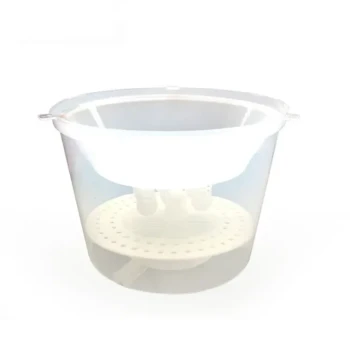
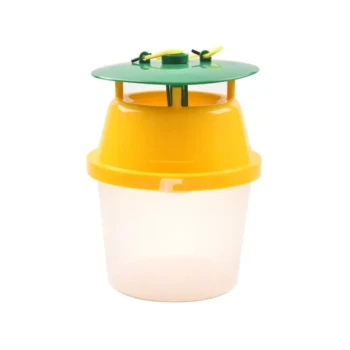
Specialized in-hive traps function as a dual-purpose physical control system designed to capture adult Small Hive Beetles (SHB) while simultaneously monitoring infestation levels. By utilizing mineral oil or specific attractants within a contained cavity, these devices exploit the beetle's natural aversion to light and desire for shelter to trap them without exposing the honeybee colony to chemical pesticides.
Core Insight: These traps are not merely killing devices; they are quantitative diagnostic tools that leverage the beetle's biological instincts—specifically photophobia and evasion of worker bees—to assess apiary biosecurity while mechanically reducing the adult pest population.
The Mechanics of Physical Control
Exploiting Biological Instincts
The primary function of these traps is to turn the beetle's survival instincts against it. Small Hive Beetles are photophobic (light-fearing) and instinctively seek out dark, narrow crevices to hide. The traps are engineered to mimic these "safe" harborages, effectively luring the beetles into a confined space.
The Role of Bee Harassment
Honeybees naturally harass and chase beetles, forcing them to run for cover. The traps provide a seemingly secure refuge from this aggression. By offering a specific physical gap size that excludes bees but admits beetles, the device concentrates the pests in a controlled area.
The Containment and Kill Mechanism
Once the beetles enter the trap seeking shelter or attracted by bait (such as fermented pollen), they encounter a killing agent. This is typically mineral oil, which coats the beetles and drowns them. This method physically prevents the beetles from escaping to lay eggs, disrupting their reproductive cycle.
Beyond Killing: The Diagnostic Function
Quantifying Infestation Density
Unlike chemical treatments that may kill pests unseen, traps provide visible evidence of the infestation level. By counting the captured beetles, beekeepers can establish a quantitative metric for the invasion density.
Biosecurity Assessment
The traps serve as an early warning system for the apiary. Regular monitoring allows beekeepers to detect new invasions early and assess the overall biosecurity level of the hive before the population explodes.
Safe Integration
Because the traps rely on physical barriers and non-toxic oils, they offer a biotechnological solution that does not interfere with bee activities. This ensures that honey and beeswax remain free from chemical contamination.
Understanding the Trade-offs
Target Limitation
It is critical to understand that these traps primarily target mobile adults. They are less effective against larvae that have already hatched and are burrowing through the comb.
Maintenance Requirements
Physical traps are not "set and forget" devices. They require regular maintenance to remove dead beetles and replenish the mineral oil. If neglected, the trap can become ineffective or even a harborage for pests if the oil dries out.
Making the Right Choice for Your Goal
- If your primary focus is Pest Suppression: Use these traps to mechanically lower the adult beetle population and prevent egg-laying, specifically during seasons of high beetle activity.
- If your primary focus is Apiary Management: Use the trap counts as a data point to decide when to implement more aggressive interventions or when a hive is strong enough to manage the pests on its own.
By integrating these traps, you move from reactive pest control to a proactive, data-driven management strategy that protects the integrity of your hive products.
Summary Table:
| Feature | Functionality | Purpose |
|---|---|---|
| Biological Mimicry | Exploits photophobia and bee harassment | Lures beetles into dark, narrow cavities |
| Containment Agent | Mineral oil or non-toxic attractants | Drowns adult beetles and prevents egg-laying |
| Physical Barrier | Precision-sized entry gaps | Excludes honeybees while admitting pests |
| Diagnostic Tool | Quantitative beetle counts | Monitors infestation density and biosecurity |
| Safety Profile | Chemical-free mechanical design | Protects honey and wax from contamination |
Maximize Your Apiary Productivity with HONESTBEE
Effective Small Hive Beetle management is essential for maintaining a profitable and healthy commercial apiary. At HONESTBEE, we empower commercial beekeepers and distributors by providing a comprehensive wholesale range of professional-grade tools.
From high-efficiency beekeeping machinery and hive-making equipment to essential consumables and honey-themed cultural merchandise, our portfolio is designed to scale your operations and ensure high-quality yields.
Partner with the industry experts today. Contact us at HONESTBEE to discover how our wholesale solutions can enhance your biosecurity and business growth.
References
- Ayşe Ebru BORUM. BIOSECURITY AND GOOD BEEKEEPING PRACTICES IN BEEKEEPING. DOI: 10.31467/uluaricilik.1175874
This article is also based on technical information from HonestBee Knowledge Base .
Related Products
- Reusable Aluminium Beetle Trap for Small Hive Beetles Silver Bullet
- Removable Washable Hive Beetle Trap Attractants for Small Hive Beetles
- Black Plastic Beetle Barn Hive Beetle Trap for Beehives
- Reusable Clear Small Hive Beetle Traps for Beehives Beetle Trapping Tools
- Plastic Beetle Blaster Trap Beekeeping Tools and Supplies
People Also Ask
- How should powdered substances be used in beetle traps for hive beetle control? Expert Guide for Maximum Colony Protection
- Why are beetle traps less effective during winter? Seasonal Shifts in Pest Control Explained
- When is the best time to use small hive beetle traps in cold climates? Protect Your Honeybee Winter Stores Now
- When and how should disposable traps for small hive beetles be removed? Master Hive Hygiene and Efficiency
- How do small hive beetle traps contribute to colony management? Enhance Diagnostic Accuracy and Protect Hive Health