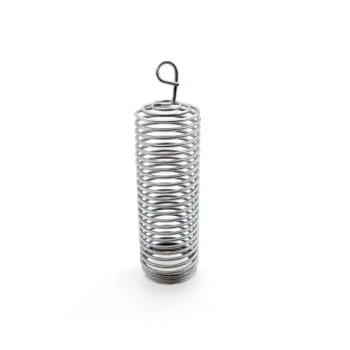
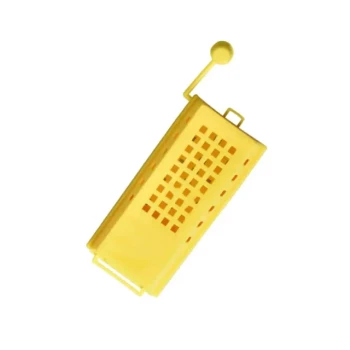
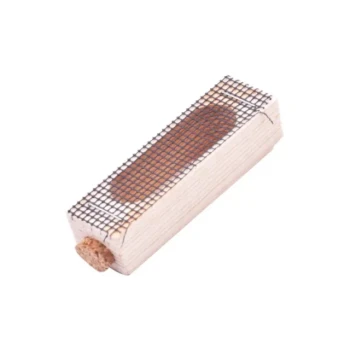
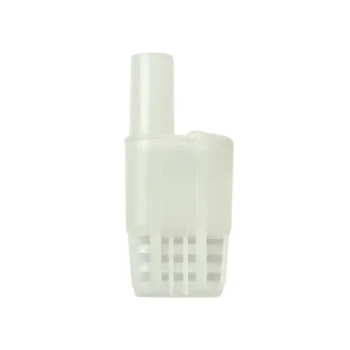
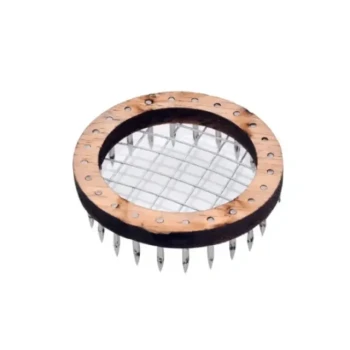
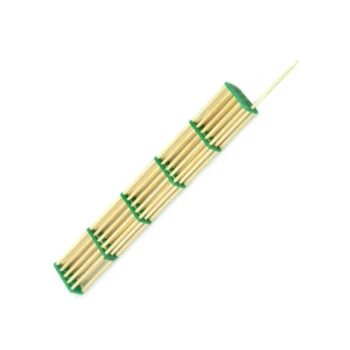
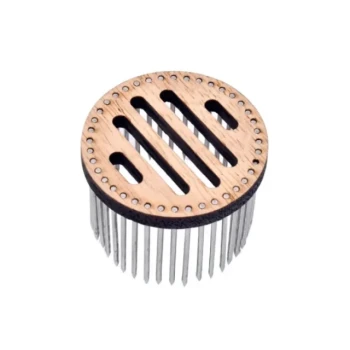
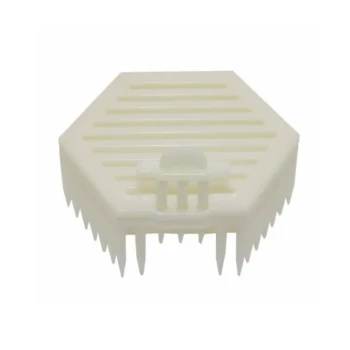
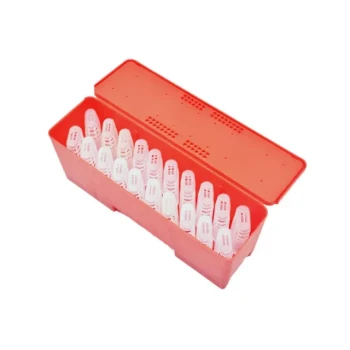
Standard Queen Cages function as secure, ventilated isolation units. They are designed to protect the queen bee and her accompanying workers from physical pressure and crushing during transportation and laboratory acclimatization.
These cages convert variable biological conditions into a controlled environment. By standardizing the spatial constraints for both queens and workers, they ensure that experimental variables—particularly in heat stress research—remain consistent across different castes.
The Role in Transportation and Protection
Ensuring Physical Security
The primary baseline function of a Queen Cage is physical isolation. During transport, honeybees are vulnerable to external compression and shifting loads. The cage creates a rigid barrier that prevents physical pressure from harming the queen or the workers.
Maintaining Vital Airflow
While security is paramount, the enclosure must not create a sealed vacuum. The cages are designed to provide a ventilated environment. This ensures that the bees maintain access to oxygen and prevents the buildup of humidity or heat during transit or acclimatization phases.
Application in Experimental Research
Functioning as Controlled Micro-Containers
In scientific settings, particularly heat stress research, the Queen Cage transcends its role as a shipping container. It serves as a controlled micro-container. This transforms the cage into a precise laboratory tool rather than just a storage box.
Ensuring Uniform Spatial Constraints
To compare data accurately, researchers must remove variables. Queen Cages impose identical spatial constraints on all subjects. This allows researchers to compare different castes of honeybees (queens vs. workers) within the same physical parameters.
Consistency in Thermal Treatments
When studying environmental stress, the exposure must be uniform. Using these standard cages allows researchers to apply consistent thermal treatments. Because the physical volume and material of the enclosure are standardized, the heat exposure is applied evenly to all subjects, ensuring data reliability.
Understanding the Limitations
Artificial Confinement
While these cages are excellent for protection and standardization, they create an artificial environment. The physical isolation separates the queen from the full colony dynamics. This is necessary for control but does not perfectly replicate the natural hive setting.
Short-Term Validity
The design is intended for transportation and acute experimental phases (like heat stress tests). Due to the spatial constraints, these cages are not suitable for long-term housing. They restrict natural behaviors such as foraging or extensive egg-laying.
Making the Right Choice for Your Goal
Whether you are a logistics manager or a researcher, the utility of the Queen Cage depends on your specific objective.
- If your primary focus is Safe Transport: Prioritize the cage's ability to provide a rigid barrier against physical pressure while maintaining adequate ventilation for the bees' survival.
- If your primary focus is Experimental Data: Leverage the cage's standardized dimensions to ensure that every test subject experiences identical spatial and thermal conditions, eliminating environmental variables.
By utilizing standard Queen Cages, you ensure that the biological integrity of the bee is maintained, whether on the road or under the microscope.
Summary Table:
| Function | Primary Benefit | Key Application |
|---|---|---|
| Physical Isolation | Prevents crushing and physical pressure | Logistics & Shipping |
| Ventilation Control | Maintains oxygen flow and reduces humidity | Long-distance Transport |
| Spatial Standardization | Eliminates environmental variables | Heat Stress Research |
| Micro-Containment | Ensures uniform thermal treatment | Laboratory Experiments |
Scale Your Apiary Operations with HONESTBEE
At HONESTBEE, we specialize in supporting commercial apiaries and global distributors with high-quality, professional-grade beekeeping solutions. Whether you are transporting high-value queens or conducting critical research, our comprehensive wholesale inventory has you covered.
Our Value to You:
- Full Spectrum Supply: From standard queen cages and specialized hardware to advanced hive-making and honey-filling machinery.
- Industry Consumables: A wide array of essential supplies designed for durability and performance.
- Niche Merchandise: Unique honey-themed cultural products to diversify your retail offerings.
Ready to elevate your honey production and bee management efficiency? Contact us today to explore our wholesale catalog and see how our expertise can grow your business.
References
- Samantha R. Shih, Jonathan W. Snow. Reproductive potential does not cause loss of heat shock response performance in honey bees. DOI: 10.1038/s41598-020-74456-4
This article is also based on technical information from HonestBee Knowledge Base .
Related Products
- Durable Galvanized Steel Spring Queen Bee Cage
- Professional Queen Cage with Sliding Gate and Feeder Plug
- Classic Wooden and Mesh California Queen Cage
- Professional Queen Bee Introduction and Transport Cage
- Professional Multi-Functional Queen Bee Cage
People Also Ask
- Why are specialized queen bee cages used for the banking of mated queen bees? Maximize Commercial Apiary Storage Efficiency
- What is the mechanism of action for using temporary queen bee cages? Master Successful Queen Introduction
- What is the step-by-step process for installing a queen bee's cage onto a frame? Ensure Hive Acceptance Safely
- What is the optimal placement for a queen bee cage? Essential Strategies for Successful Re-queening
- What are the advantages and disadvantages of introducing a queen bee by embedding the cage? Boost Your Queen Acceptance