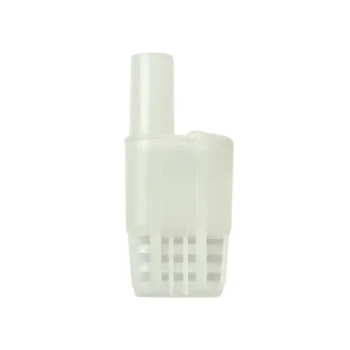
Standardized efficacy testing cages function as precisely controlled laboratory environments designed to evaluate the effectiveness of miticides against the Varroa destructor mite. By housing clusters of mite-infested honey bees alongside specific miticide strips, these devices simulate the internal conditions of a hive—specifically temperature and humidity—to allow for the exact measurement of mite mortality and drop rates.
The primary value of these cages lies in their ability to isolate variables. By replicating hive conditions in a stable incubator, they provide the necessary infrastructure to confirm parasite resistance phenotypes and ensure that scientific evaluations are reproducible across different studies.
Creating a Controlled Micro-Environment
Simulating Internal Hive Conditions
To obtain accurate data, you must replicate the environment where the interaction between the bee, the mite, and the chemical occurs.
These cages are placed within incubators that maintain constant temperature and humidity levels. This simulation eliminates environmental fluctuations that often skew results in field trials.
Housing the Biological Cluster
The physical design of the cage accommodates a cluster of honey bees that are already infested with Varroa destructor.
Within this confined space, miticide strips are introduced to the cluster. This forces an interaction between the treatment and the parasite in a way that can be continuously observed.
The Role in Scientific Measurement
Precise Mortality Recording
The fundamental output of these bioassays is data regarding mite survival.
Because the bees and mites are contained, researchers can record mite drop rates with absolute precision. There is no risk of losing data to predation or debris, which is a common challenge in full-scale hive inspections.
Assessing Resistance Phenotypes
One of the most critical applications of this technology is phenotyping.
By exposing mites to standardized doses of miticides, researchers can determine if specific mite populations display resistance traits. This allows for the early detection of ineffective treatments before they are deployed broadly.
Ensuring Reproducibility
Scientific rigor demands that an experiment conducted in one laboratory can be repeated in another with similar results.
Standardized cages remove the variable of "hive geometry." This standardization ensures that differences in data are due to the efficacy of the chemical, not the design of the container.
Distinctions and Trade-offs
Laboratory vs. Field Reality
While these cages provide high-precision data, they remain a simulation.
They isolate the chemical interaction but do not account for complex colony dynamics, brood cycles, or foraging behavior. Therefore, they should be viewed as a complement to, not a complete replacement for, field testing.
Efficacy Testing vs. Transport
It is vital not to confuse efficacy testing cages with specialized Queen Bee Cages.
As noted in broader industry contexts, Queen Bee Cages are designed for biosecurity and physical protection during transport to prevent disease spread. In contrast, efficacy cages are stationary laboratory tools designed purely for data collection and chemical evaluation, not for the safe transit of breeding stock.
Making the Right Choice for Your Research
To maximize the value of your bioassays, align the tool with your specific objective.
- If your primary focus is screening new compounds: Use standardized cages to establish a baseline of toxicity against Varroa before investing in expensive field trials.
- If your primary focus is monitoring local resistance: Use these cages to phenotype mites from your apiary, exposing them to current treatments to verify if the chemicals are still effective.
Reliable management of Varroa destructor begins with reliable data, and standardized efficacy cages are the foundational tool for acquiring it.
Summary Table:
| Feature | Laboratory Efficacy Cages | Field Testing (Hives) |
|---|---|---|
| Environment | Controlled (Simulated Hive) | Variable (Weather/Seasonal) |
| Data Precision | High (Exact mite drop count) | Moderate (Prone to data loss) |
| Variable Isolation | High (Chemical efficacy only) | Low (Colony dynamics/brood) |
| Main Use Case | Resistance phenotyping & screening | Final product validation |
| Reproducibility | High (Standardized geometry) | Low (Unique hive conditions) |
Elevate Your Apiary’s Health with HONESTBEE Precision Equipment
Are you a commercial apiary or a distributor looking for reliable tools to combat Varroa destructor? HONESTBEE is your strategic partner in the beekeeping industry. We provide a comprehensive range of professional-grade hardware—from specialized hive-making and honey-filling machinery to high-quality consumables and testing tools.
Our mission is to empower your business with the equipment needed to ensure colony survival and maximize productivity. Whether you need bulk wholesale supplies or advanced machinery, our experts are ready to assist you.
Contact HONESTBEE Today for Custom Wholesale Solutions
References
- Rassol Bahreini, Olav Rueppell. Arising amitraz and pyrethroids resistance mutations in the ectoparasitic Varroa destructor mite in Canada. DOI: 10.1038/s41598-025-85279-6
This article is also based on technical information from HonestBee Knowledge Base .
Related Products
- Hexagonal Direct Comb Introduction Queen Bee Cage
- Wood and Mesh Push-In Queen Cage
- Premium Wood and Steel Push In Queen Cage
- Durable Galvanized Steel Spring Queen Bee Cage
- Multi-Function Queen Roller Cage and Catcher
People Also Ask
- What is the technical purpose of using an introduction cage? Ensure Safe Queen Bee Integration and Colony Acceptance
- How does the introduction cage method differ from standard cage insertion for queen bees? Best Acceptance Strategies
- What is the mechanism of action for using temporary queen bee cages? Master Successful Queen Introduction
- Why are specialized queen bee cages used for the banking of mated queen bees? Maximize Commercial Apiary Storage Efficiency
- What is the importance of specialized queen introduction cages and tools? Secure High-Value Genetics & Scalability.