Standardized hygiene control hardware functions as the critical defense system against contamination in modern honey production. By utilizing advanced materials like food-grade stainless steel and integrated systems such as closed fluid transport piping, this infrastructure eliminates the pollution risks inherent in traditional apiary tools. It ensures that the processing environment meets rigorous sanitary specifications, safeguarding the purity of the final honey product.
The Core Insight The primary role of this hardware is not merely to facilitate processing, but to enforce a sterile "closed loop" from extraction to packaging. It replaces porous, hard-to-clean materials with corrosion-resistant infrastructure, guaranteeing that high-volume production meets strict hygiene standards.
The Principles of Contamination Control
Material Superiority
The foundation of standardized hygiene hardware is the shift away from traditional materials. Food-grade stainless steel is the standard for extractors and processing units.
Unlike wooden tools or low-end metals, stainless steel is corrosion-resistant. This prevents rust and material degradation from contaminating the honey, which is naturally acidic and can react with inferior metals over time.
Eliminating Porous Surfaces
Traditional wooden tools are porous and prone to retaining moisture, bacteria, and residue. Standardized hardware utilizes non-porous surfaces that are easy to disinfect.
This design characteristic directly removes the "pollution risks" associated with older equipment, preventing the buildup of pathogens or residual flavors between batches.
Operational Integration
Closed Fluid Transport
Modern apiary infrastructure often employs closed fluid transport piping. This moves honey between extraction and storage stages without exposing it to the open air.
By sealing the transport mechanism, the system protects the product from environmental contaminants such as dust, insects, and airborne humidity.
Automated Cleaning Systems
Standardized hardware frequently includes automatic cleaning systems. These systems ensure that disinfection is consistent and thorough, removing the variability of manual cleaning.
This automation is essential for maintaining strict hygiene specifications consistently, regardless of the volume of honey being processed.
Understanding the Trade-offs
Infrastructure Rigidity
While standardized hardware optimizes hygiene, it often requires a fixed facility layout. Closed piping systems and large stainless steel extractors are less mobile than traditional, smaller-scale tools.
This means that the apiary must commit to a centralized processing location, reducing the flexibility to process honey in the field or at temporary sites.
Maintenance of Complexity
Moving from simple wooden tools to automated cleaning systems and piping introduces technical complexity. While the sanitation results are superior, the equipment requires regular inspection to ensure seals, pumps, and automated cycles are functioning correctly.
A failure in an automatic cleaning cycle or a degradation in a pipe seal can compromise the "closed loop" if not monitored, making preventative maintenance critical.
Making the Right Choice for Your Goal
When evaluating apiary infrastructure, align your hardware choices with your production targets:
- If your primary focus is Product Purity: Prioritize closed fluid transport piping and stainless steel extractors to completely isolate the honey from environmental factors.
- If your primary focus is Regulatory Compliance: Invest in automatic cleaning systems to demonstrate consistent, verifiable adherence to strict hygiene specifications.
Standardized hygiene hardware ultimately transforms honey processing from a craft prone to variation into a controlled, sanitary industrial science.
Summary Table:
| Feature | Function in Hygiene Control | Impact on Production |
|---|---|---|
| Food-Grade Stainless Steel | Corrosion-resistant & non-porous | Prevents rust contamination and bacterial buildup |
| Closed Fluid Transport | Seals honey from open air | Protects against dust, pests, and airborne humidity |
| Automated Cleaning | Standardized disinfection cycles | Ensures consistent adherence to sanitary specifications |
| Integrated Systems | Creates a "closed loop" environment | Minimizes human error and environmental exposure |
Elevate Your Honey Quality with HONESTBEE
Maintaining rigorous hygiene standards is non-negotiable for professional apiaries. HONESTBEE specializes in supporting commercial apiaries and distributors with the high-performance hardware needed to secure your production line.
From food-grade stainless steel extractors and honey-filling machines to specialized hive-making equipment, our comprehensive wholesale portfolio is designed for durability and sanitation. Whether you are scaling your operations or upgrading to meet global export standards, we provide the tools, machinery, and essential consumables to ensure your honey remains pure and profitable.
Ready to modernize your infrastructure? Contact us today to explore our wholesale solutions and see how we can optimize your apiary’s efficiency.
References
- Svitlana Koval, Volodymyr Rossokha. Theoretical Approaches to Determining the Essence of Management of Control Systems and Quality of Production of Beekeeping Products. DOI: 10.12958/1817-3772-2022-1(67)-41-51
This article is also based on technical information from HonestBee Knowledge Base .
Related Products
- Heavy-Duty Ergonomic Stainless Steel Pollen Shovel
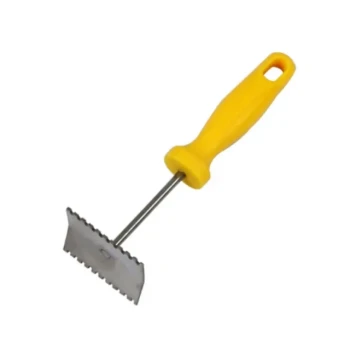
- Wide Adjustable Stainless Steel Honey Uncapping Fork with Scraper
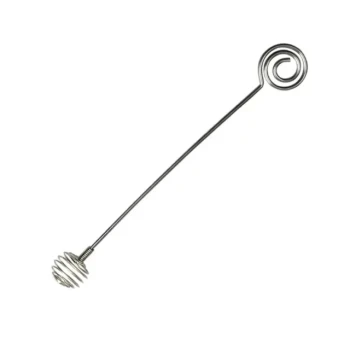
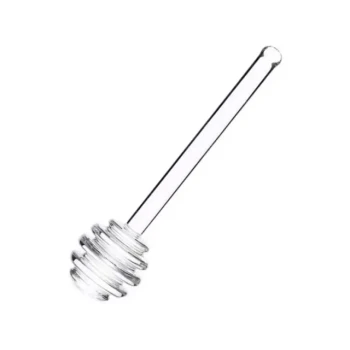
- Modern Stainless Steel Honey Dipper Stirrer
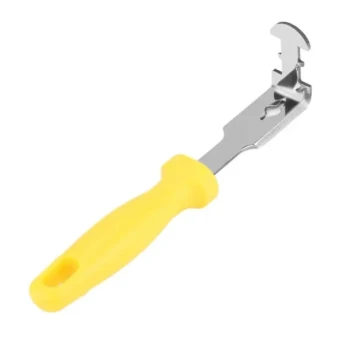
- Heavy Duty Stainless Steel Frame Cleaner with Plastic Handle
- Precision Stainless Steel Frame Cleaner for Hive Grooves and Corners
People Also Ask
- How is pollen cleaned after it has been dried? Master Efficient Separation for Pure Bee Pollen
- What methods are used to clean harvested bee pollen? Scale Your Beekeeping Operations with the Right Technique
- How can harvested bee pollen be cleaned to remove impurities? Efficient Methods for Commercial and Hobbyist Beekeepers
- How do bee pollen collection tools affect the quality of bee pollen used in functional dairy ice cream production?
- What is the technical significance of using specialized cutting tools for propolis? Master Precision Pollen Harvesting