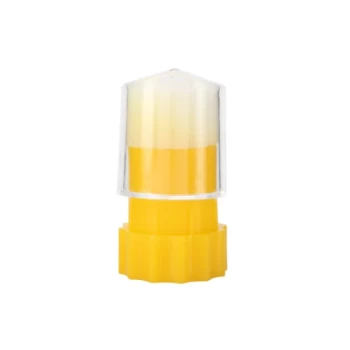
Swarm catching tools and induction techniques function as the primary mechanism for safely capturing wild honeybee swarms and relocating them into managed apiaries. By combining physical transfer tools with biological attractants, beekeepers can secure locally adapted bee species without the high cost of purchasing package bees. These methods are designed specifically to protect the queen during transfer, which is the single most critical factor in ensuring the new colony successfully settles into the hive.
The core function of these tools is to bridge the gap between wild availability and managed husbandry, allowing beekeepers to economically expand their colonies while ensuring the physical safety and rapid establishment of the bees.
The Mechanics of Safe Capture
Protecting the Queen and Colony
The primary function of specialized swarm catching tools is injury prevention. During the delicate transfer from a natural setting (like a tree branch) to a box, rough handling can kill the queen or damage the cluster.
These tools are engineered to move the colony gently. Keeping the queen safe and the cluster intact significantly increases the "take" rate, ensuring the bees do not abscond immediately after being housed.
Economic and Genetic Advantages
Using these tools allows for the acquisition of locally adapted species. Bees caught from local swarms are often better suited to the specific climate and flora of the region than imported stock.
This process transforms beekeeping into a more economical practice. By capturing free natural resources rather than purchasing bees, the beekeeper lowers overhead costs while potentially gaining stronger genetics.
Accelerating Colonization with Induction
Leveraging Natural Instincts
Induction techniques rely heavily on scent-based attractants. By applying specific volumes of honey attractants or industrial sprays inside empty hives, beekeepers trigger the honeybee's natural foraging and scouting instincts.
This biological "hacking" reduces the time a hive remains vacant. It signals to the swarm that the new location is a viable, safe home, encouraging rapid colonization before the primary flowering season begins.
Providing Critical Energy
The induction process is often supported by nutritional supplementation, such as brown sugar syrup. This acts as a vital energy source during the initial phase of deployment or nectar-scarce seasons.
Combining attractant sprays with syrup creates a "sticky" environment for the bees. It shortens the establishment cycle, helping the colony maintain the high activity levels necessary for future honey production.
Operational Considerations and Trade-offs
The Requirement for Maintenance Tools
While catching tools get the bees into the box, they do not manage the hive afterward. Once established, bees will secrete propolis to seal components, requiring the use of a hive tool to leverage frames apart for inspection.
Health Monitoring Obligations
Catching wild swarms introduces a variable of unknown health status. While the capture might be successful, the colony must be monitored for parasites using Varroa destructor monitoring tools to ensure they do not collapse later or infect other hives.
Making the Right Choice for Your Goal
To effectively establish new colonies, align your tools with your specific objectives:
- If your primary focus is cost reduction: Prioritize swarm catching tools to acquire free, locally adapted bees rather than purchasing packaged colonies.
- If your primary focus is rapid establishment: Utilize attractant sprays and brown sugar syrup to minimize the time between capture and full colonization.
- If your primary focus is long-term stability: Ensure you have hive tools and monitoring equipment ready immediately after induction to manage propolis buildup and mite loads.
Mastering the capture is the first step; supporting the colony with the right nutrition and environment ensures they stay.
Summary Table:
| Tool / Technique | Core Function | Primary Benefit |
|---|---|---|
| Swarm Catching Tools | Physical capture and transfer | Protects the queen; prevents colony injury |
| Scent Attractants | Triggers scouting instincts | Accelerates colonization; reduces vacant time |
| Nutritional Syrup | Provides immediate energy | Supports colony during nectar-scarce phases |
| Varroa Monitoring | Health assessment | Ensures long-term survival of wild swarms |
| Hive Tools | Management and inspection | Facilitates maintenance after propolis buildup |
Scale Your Apiary Efficiency with HONESTBEE
At HONESTBEE, we understand that for commercial apiaries and distributors, the transition from wild capture to managed production must be seamless and cost-effective. We provide a comprehensive wholesale range of professional beekeeping tools, specialized machinery, and essential consumables designed to support your growth.
Whether you need precision honey-filling machines for your harvest or high-performance swarm induction supplies to expand your stock, HONESTBEE delivers the quality and scale your business demands.
Ready to optimize your colony establishment? Contact us today to explore our wholesale solutions
References
- Dinku Negash, Asaminew Tassew. Assessment the Status of Agro-Chemicals Utilization and Honeybee Poisons Plants in Sidama Zone, SNNPR, and Ethiopia. DOI: 10.7176/jrdm/85-04
This article is also based on technical information from HonestBee Knowledge Base .
Related Products
- HONESTBEE Professional Telescopic Pole Bee Swarm Catcher
- HONESTBEE Collapsible Tiered Bee Swarm Catcher for Beekeeping
- Professional Queen Catcher and Introduction Queen Cage
- HONESTBEE Professional Mini J-Hook Hive Tool for Beekeeping
- Plastic Beetle Blaster Trap Beekeeping Tools and Supplies
People Also Ask
- What should be done if the swarm is situated on the bottom of a tree limb? A Guide to Methodical Bee Capture
- What role do swarm catchers play in maintaining the production scale of an apiary? Turn Colony Loss into Growth.
- What information should be gathered before attempting to catch a swarm of bees? A Safe and Successful Guide
- What precautions can be taken to prevent a newly captured swarm from absconding? Secure Your Swarm with Proven Methods
- What role does a Swarm Catcher play in the process of expanding apiary colony scale? Optimize Growth & Reduce Costs