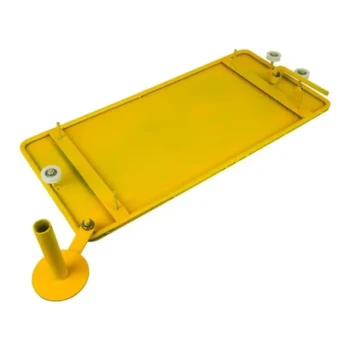
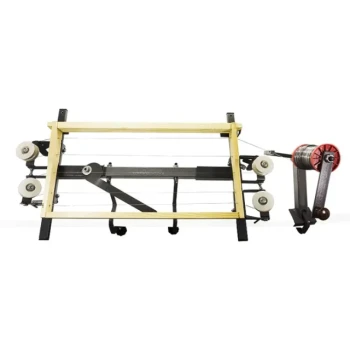
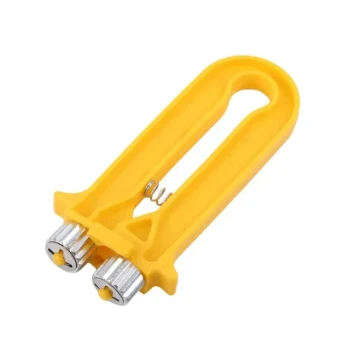
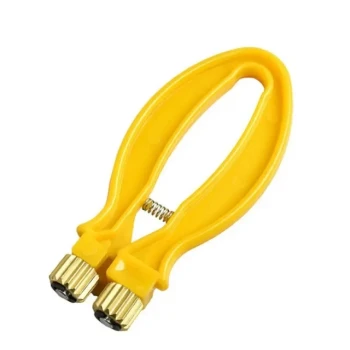
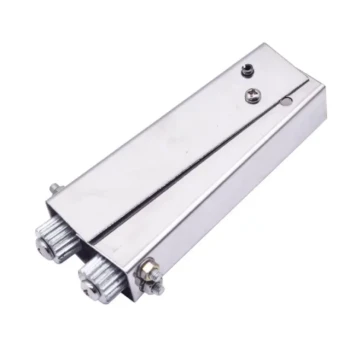
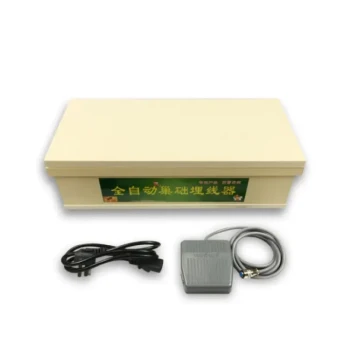
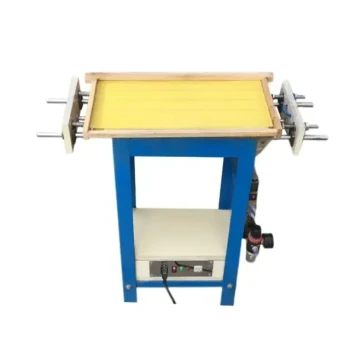
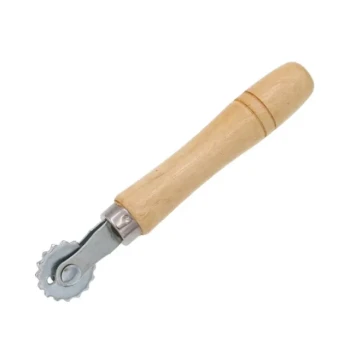
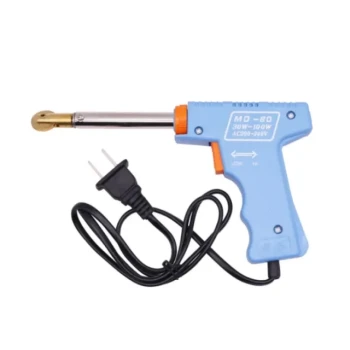
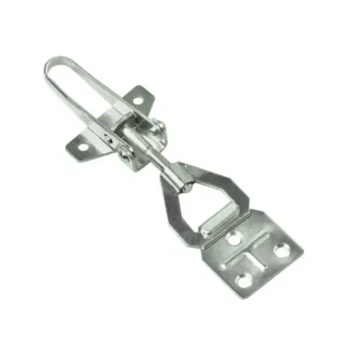
The tensioner functions as a mechanical compressor on a frame wiring jig. It applies inward pressure against the frame's sidebar, slightly bowing the wood inward while you thread and fasten the wire. This ensures the wire remains taut during the threading process and, more importantly, utilizes the frame's elasticity to tighten the wire further once the job is finished.
The tensioner leverages the physics of the wooden frame; by compressing the sidebars during installation and releasing them after fastening, the wood "springs back" to pull the wire significantly tighter than manual tensioning allows.
The Mechanics of the Tensioner
Creating Initial Stability
The primary reference indicates that the tensioner pushes against the sidebar during the actual wiring process.
This pressure keeps the wire from going slack as you route it through the jig's wheels and the frame's end bar holes. It acts as a "third hand," maintaining constant pressure so you can focus on threading the wire without losing the tension you have already established.
The "Spring-Back" Effect
The most critical function of the tensioner occurs after the wire is fully installed and fastened.
According to the primary reference, releasing the tensioner makes the wire even tighter. When the compression is removed, the bowed sidebars attempt to return to their original straight shape. This outward expansion pulls firmly on the secured wire, creating the high-tension "singing" wire necessary to support heavy beeswax foundation.
Understanding the Trade-offs
Potential for Frame Distortion
While the tensioner provides superior tightness, applying too much pressure can distort the frame geometry.
If the sidebars are compressed too aggressively, the frame may not return perfectly to square, or the wood fibers may become permanently stressed. This can lead to difficulties when inserting the foundation or placing the frame into the hive box.
Sidebar Integrity
There is a limit to how much pressure a wooden sidebar can withstand before structural failure occurs.
Excessive use of the tensioner mechanism can crack or split weaker wooden frames, particularly near the drill holes where the wood is thinnest. It is essential to find the "sweet spot" where the tension is sufficient to stretch the wire but safe for the wood.
Making the Right Choice for Your Goal
To get the most out of your frame wiring jig, consider the following approach based on your specific objectives:
- If your primary focus is longevity: Ensure the tensioner compresses the frame enough that the "spring back" creates a wire tight enough to "sing" when plucked, preventing sagging combs later.
- If your primary focus is frame preservation: Apply only moderate pressure with the tensioner to avoid splitting the sidebars or permanently warping the wood, especially with softer wood varieties.
Mastering the tensioner allows you to transform a tedious manual task into a precise mechanical process that ensures your foundation holds up for years.
Summary Table:
| Feature | Function of Tensioner | Benefit to Beekeeping |
|---|---|---|
| Mechanical Compression | Bows sidebars inward during threading | Acts as a 'third hand' for easier assembly |
| Elasticity Utilization | Releases wood to 'spring back' after fastening | Creates maximum wire tension without manual effort |
| Structural Support | Maintains wire stability | Prevents sagging combs under heavy honey loads |
| Adjustable Pressure | Customizable compression levels | Protects wood integrity while ensuring tightness |
Maximize Your Apiary Productivity with HONESTBEE
Efficient frame assembly is the backbone of a successful beekeeping operation. At HONESTBEE, we understand the needs of commercial apiaries and distributors. We provide a comprehensive range of professional-grade beekeeping tools, machinery, and equipment—from manual frame wiring jigs to advanced hive-making and honey-filling machines.
Whether you are scaling your honey production or stocking the highest quality consumables for your customers, our wholesale solutions are designed to deliver durability and precision. Contact us today to discover how our specialized hardware and industry expertise can streamline your business and improve your hive yields.
Related Products
- HONESTBEE Durable Frame Wiring Board with Integrated Tensioner
- Professional Bee Frame Wiring Tool with Integrated Tensioning System by HONESTBEE
- HONESTBEE Professional Frame Wiring Board and Jig
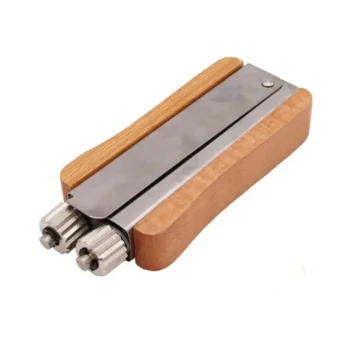
- HONESTBEE Durable Ergonomic Wooden Handle Frame Wire Crimper
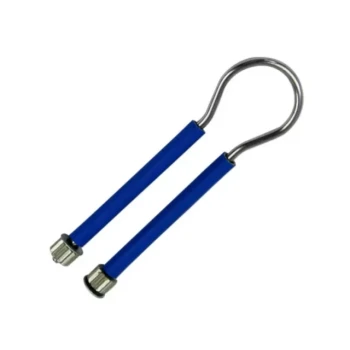
- HONESTBEE Loop Handle Frame Wire Crimper
People Also Ask
- What tools and materials are required for wiring a beehive frame? Essential Equipment for Stronger Honeycomb
- How to wire a bee frame? A Step-by-Step Guide for Strong, Durable Honeycomb
- What is the final step in wiring a frame? Secure Lasting Tension for a Durable Hive
- What is minimalist bee frame wiring? Learn the Risks and Benefits for Beekeeping
- What factors determine the amount of wiring needed in beehive frames? Tailor Your Strategy for Your Climate