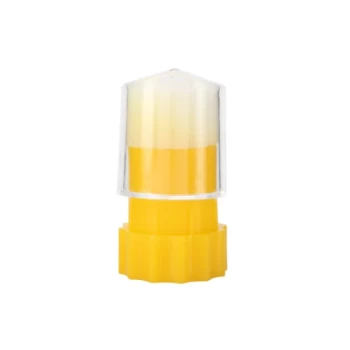
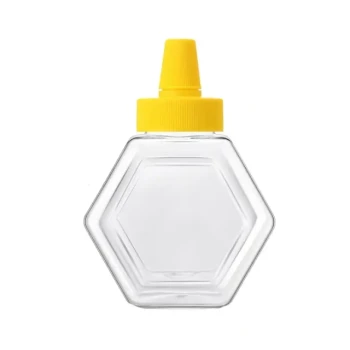
The primary function of using Polyethylene Terephthalate (PET) bottles in stingless bee traps is to create a sealed, artificial cavity that replicates the natural nesting environments preferred by wild bees. By leveraging the material's structural stability and weather resistance, the bottle acts as a barrier against external elements, ensuring a dry and secure space for a colony to establish itself.
The PET bottle acts as the fundamental shell of the trap, effectively blocking external moisture to maintain a dry interior. Its role is to simulate a natural hollow, providing the stability and weatherproofing necessary for the critical initial phase of nesting.
Mimicking the Natural Habitat
Creating a Sealed Cavity
Wild stingless bees naturally seek out enclosed, protected hollows to build their nests.
The PET bottle serves as this core cavity, offering a sealed space that mimics these natural conditions. This containment is essential for attracting scouting bees looking for a secure location.
Excluding External Moisture
One of the greatest threats to a new colony is water infiltration.
The PET material offers excellent weather resistance, effectively blocking rain and ambient moisture from entering the trap. This ensures the internal environment remains dry, which is a non-negotiable requirement for colony survival.
Structural Reliability
Maintaining Physical Stability
For a trap to be effective, it must withstand outdoor conditions without collapsing or warping.
PET bottles provide the necessary structural stability to maintain the shape and volume of the nesting cavity over time. This rigidity ensures the space remains usable and attractive to bees throughout the trapping season.
Durability in Outdoor Environments
The material is inherently resistant to environmental degradation.
This durability means the trap can be left in the field for extended periods without the material failing, guaranteeing a stable environment for the initial nesting of the bee colony.
Understanding the Operational Context
The Distinction Between Trap and Hive
It is critical to distinguish the function of the PET bottle from that of a permanent hive.
While the PET bottle is ideal for trapping due to its sealed nature, it is generally intended as a temporary vessel. Supplementary data indicates that colonies are eventually transferred to permanent hives made of materials like PVC or PET-G, which offer different features such as sensor integration.
Integration with Entry Components
The PET bottle functions as the cavity, but it works in tandem with other components.
Specifically, it houses the colony behind a polyethylene entrance nozzle. While the bottle protects the nest, the nozzle facilitates the standardization of entry and the eventual safe transfer of the colony to a permanent box.
Optimizing Trap Usage
If your primary focus is Colony Attraction: Prioritize the seal of the PET bottle to ensure it perfectly simulates a dry, natural hollow, as this is the primary trigger for scouting bees.
If your primary focus is Colony Survival: Ensure the structural integrity of the PET bottle is uncompromised to prevent moisture ingress, which is the leading cause of failure during initial nesting.
If your primary focus is Long-Term Management: View the PET bottle as a temporary establishment tool, planning for a stress-free transfer to a permanent hive via the entrance nozzle once the colony is stable.
By utilizing the weather-resistant properties of PET, you transform a simple container into a highly effective, biologically appropriate nursery for wild stingless bees.
Summary Table:
| Feature | Function in Stingless Bee Trap | Benefit for Colony |
|---|---|---|
| Sealed Cavity | Mimics natural hollows | Attracts scouting bees seeking security |
| Weather Resistance | Blocks rain and moisture | Keeps the nest dry for survival |
| Structural Stability | Maintains cavity shape | Prevents warping or collapse outdoors |
| Material Durability | Resists environmental degradation | Ensures longevity during the trapping season |
| Temporary Housing | Acts as an initial nursery | Simplifies transfer to permanent hives |
Scale Your Apiary Operations with HONESTBEE
At HONESTBEE, we specialize in empowering commercial apiaries and beekeeping distributors with professional-grade solutions. Whether you are looking for high-performance stingless bee trap components, advanced hive-making machinery, or honey-processing equipment, we provide the full spectrum of tools needed to succeed at scale.
Why partner with HONESTBEE?
- Comprehensive Wholesale Range: From specialized hardware to essential industry consumables.
- Professional Equipment: Access honey-filling machines and hive-manufacturing technology.
- Global Distribution Support: We cater to the high-volume needs of commercial operations worldwide.
Ready to enhance your productivity and supply chain? Contact us today to discuss your wholesale requirements!
References
- Ariadne Freitas Silva, Cristiane Alves Fogaça. Meliponário didático pedagógico. DOI: 10.30612/realizacao.v9i17.16118
This article is also based on technical information from HonestBee Knowledge Base .
Related Products
- Queen Bee Catcher Plastic Bee Marker Bottle with Piston Marking Tube
- Black Plastic Beetle Barn Hive Beetle Trap for Beehives
- Hexagonal Squeeze Honey Bottle with No Drip Lid
- Reusable Wasp Trap Bottle Converter
- HONESTBEE Collapsible Tiered Bee Swarm Catcher for Beekeeping
People Also Ask
- What are the dual functions of queen bee catchers? Protect Your Queen with Isolation & Precision Management
- What are the primary objectives for marking a queen bee? Master Hive Management and Data Tracking
- Why is the physical marking of a queen bee important? Ensure Precise Colony Replacement Cycle Tracking
- Where on the queen bee's body should the mark be applied? Master the Art of Safe Queen Identification
- What is the purpose of a queen catcher in beekeeping? Safely Handle Your Queen Bee