The primary function of wax capping is to act as a hermetic seal. It serves as a critical physical barrier secreted by worker bees to separate matured honey from the humid air inside the beehive. By isolating the honey, this seal prevents moisture absorption, ensuring the honey remains stable and does not spoil over time.
Because mature honey acts as a moisture magnet, wax capping is the essential mechanism that "locks in" stability. It prevents the re-hydration that leads to fermentation, effectively transforming perishable nectar into a durable long-term food reserve.
The Mechanics of Preservation
Combating Hygroscopy
Mature honey is highly hygroscopic, meaning it naturally attracts and absorbs moisture from the surrounding environment.
Inside a living beehive, the air is warm and humid. Without protection, the honey would rapidly pull this moisture in, significantly altering its water content.
The Physical Barrier
To counteract this, worker bees secrete wax to build a sealed structure over the filled cells.
This capping serves as a physical barrier that blocks direct contact between the honey and the hive's atmosphere. It effectively maintains the honey's specific moisture balance established during the maturation process.
Risks of Improper Sealing
The Threat of Fermentation
The primary risk to honey stability is the re-absorption of water. If the moisture content rises above a safe threshold, dormant natural yeasts can become active.
This biological activity leads to fermentation, which causes the honey to sour and spoil, rendering it unfit for consumption.
Stability as a Food Reserve
The wax capping ensures the honey acts as a reliable energy source for the colony.
By preventing spoilage, the colony secures a stable, long-term food supply that can be safely stored for months or years without degrading.
Implications for Honey Quality
Assessing Ripeness
If your primary focus is harvesting: Look for fully capped frames, as this indicates the bees deem the honey low enough in moisture to be stable.
If your primary focus is long-term storage: Ensure the wax capping remains intact until consumption to maintain the hermetic seal against ambient humidity.
If your primary focus is understanding spoilage: Recognize that fermentation is rarely a failure of the honey itself, but rather a failure of the moisture barrier.
Nature utilizes wax capping as the final, critical step to secure honey against the elements.
Summary Table:
| Feature | Function in Preservation |
|---|---|
| Material | Natural Bee Wax (Hermetic Seal) |
| Primary Role | Blocks atmospheric moisture & humidity |
| Protection | Prevents re-hydration and yeast activation |
| Outcome | Stops fermentation and ensures food stability |
| Quality Indicator | Signals ripeness and low moisture content |
Elevate Your Beekeeping Operation with HONESTBEE
Preserving honey quality starts with the right tools. At HONESTBEE, we understand the science behind honey stability. We cater specifically to commercial apiaries and distributors, providing a comprehensive wholesale range designed to maximize efficiency and product integrity.
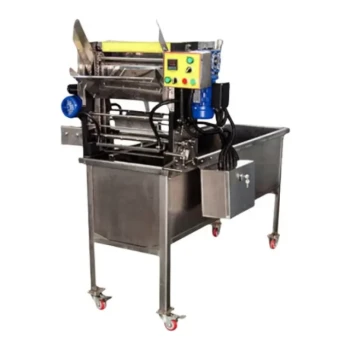
From high-precision honey-filling machines that preserve the moisture balance to professional-grade hive-making machinery and essential consumables, we supply everything you need to scale your production. Whether you are sourcing specialized hardware or honey-themed cultural merchandise, our portfolio is built to support your growth.
Ready to upgrade your commercial honey production? Contact HONESTBEE Today for Custom Wholesale Solutions
References
- Michael Eyer, Vincent Dietemann. A Look into the Cell: Honey Storage in Honey Bees, Apis mellifera. DOI: 10.1371/journal.pone.0161059
This article is also based on technical information from HonestBee Knowledge Base .
Related Products
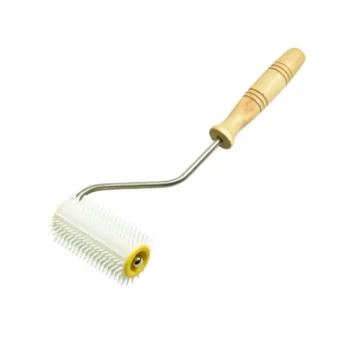
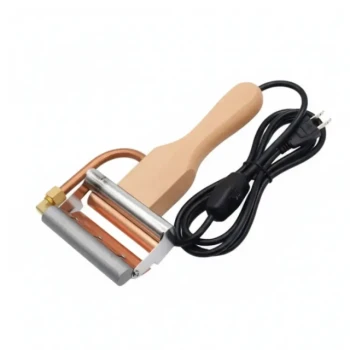
- Professional Honey Uncapping Roller for Efficient Harvesting
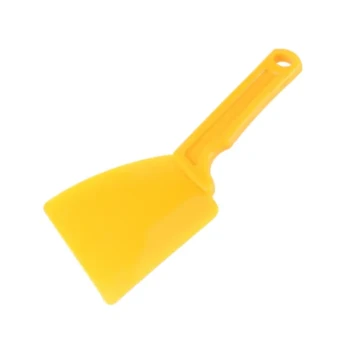
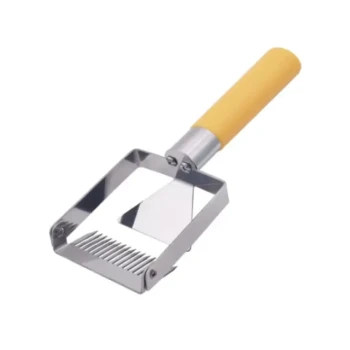
- Professional Honey Scraper for Efficient Apiary Maintenance
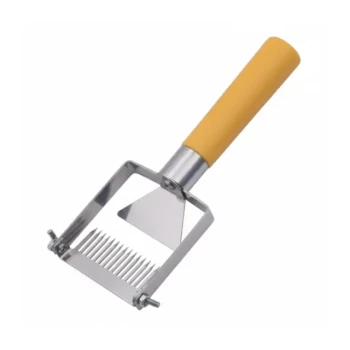
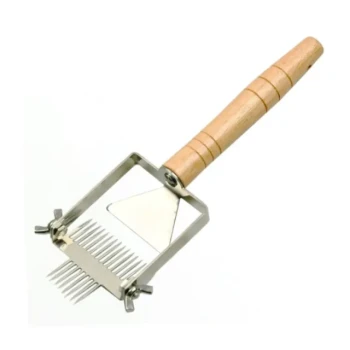
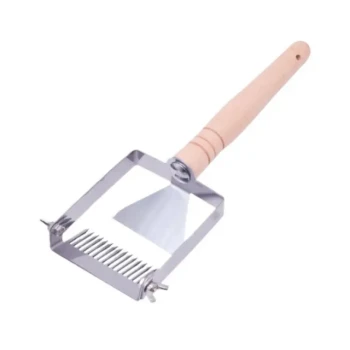
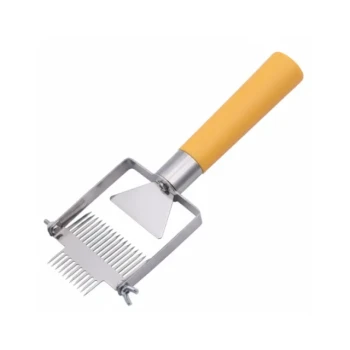
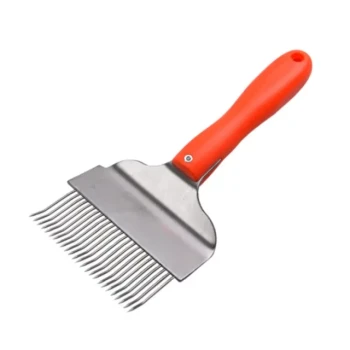
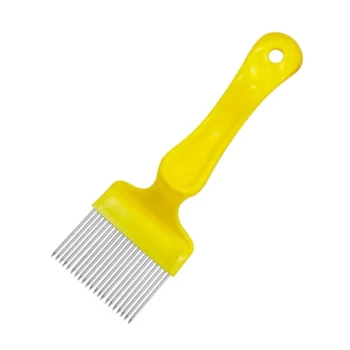
- Adjustable Stainless Steel Honey Uncapping Fork with Plastic Handle for Beekeeping
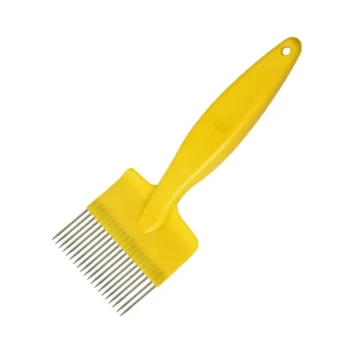
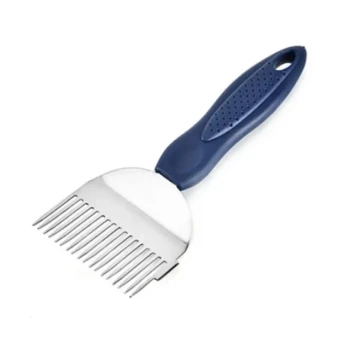
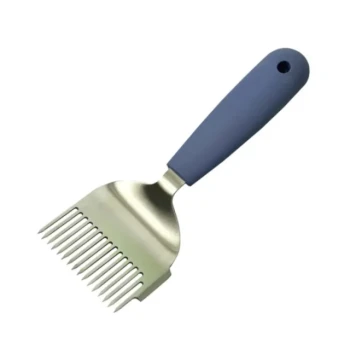
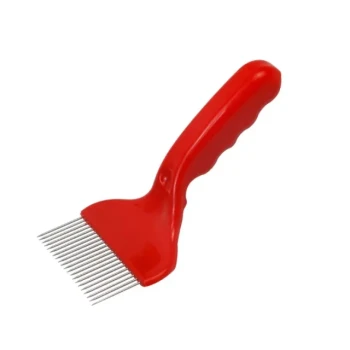
- Professional Durable Plastic Handle Honey Uncapping Fork
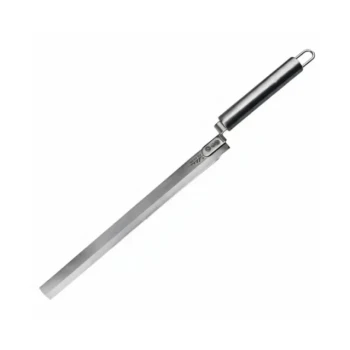
- Large Size Honey Uncapping Knife and Scraper for Beekeeping
People Also Ask
- What other tools are available for honey uncapping besides knives? Find the Right Tool for Your Apiary's Scale
- What are the methods of uncapping honey? A Guide to Tools for Efficient Harvests
- What tools are available for uncapping honey? A Guide to Choosing the Right Tool for Your Operation
- What tools can be used to uncap honey cells? Expert Guide to Efficient Honey Extraction Equipment
- What are the essential tools for uncapping honey frames? Choose the Right Tool for Your Apiary