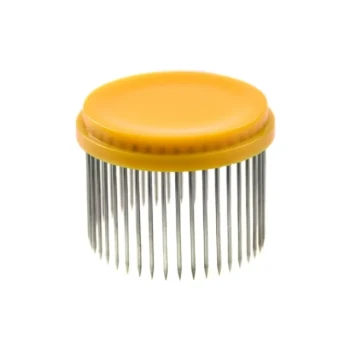
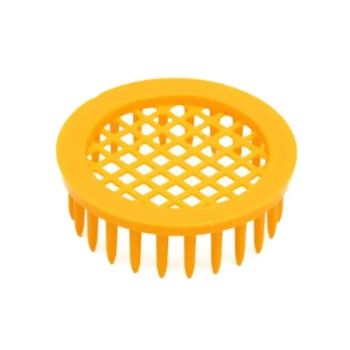
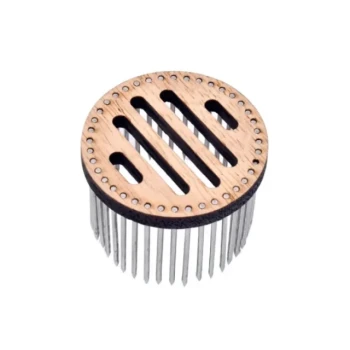
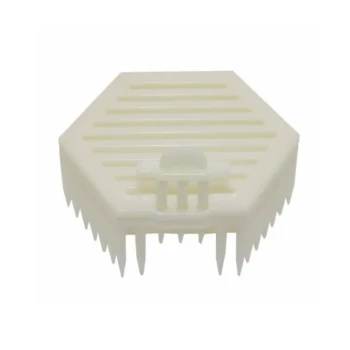
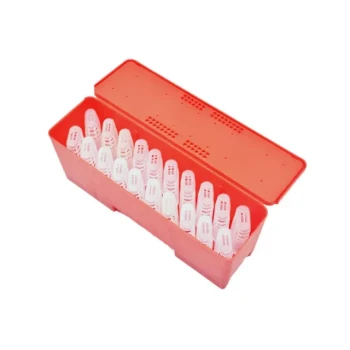
The functional mechanism of specialized queen cages and attendant bees is to create a "miniature social balancing system" that preserves the queen's biological integrity. While the cage provides a physical barrier against external injury and aggression, the attendant bees actively maintain the queen's physiological state through nutrition and pheromone regulation.
Core Takeaway This system is not merely a shipping container; it is a life-support unit designed to mitigate transportation stress. By simulating a minimal social environment, the setup creates a buffer that protects the queen's most critical reproductive asset—the viability of the sperm stored in her spermatheca.
The Dual-Layer Protection Mechanism
Physical Isolation and Safety (The Cage)
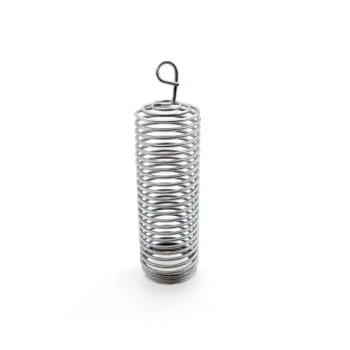
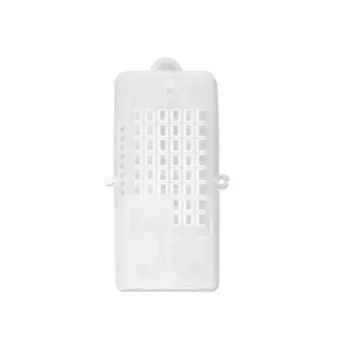
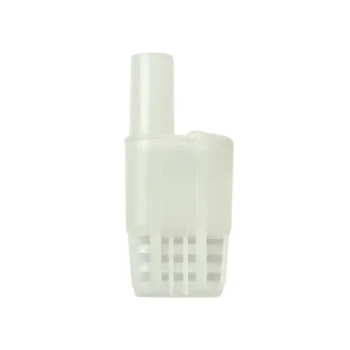
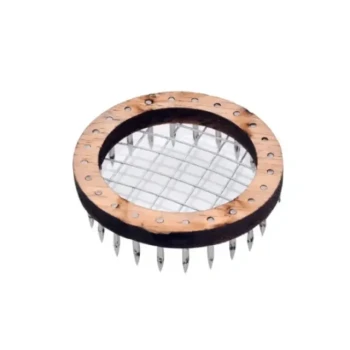
The primary function of the specialized cage is to act as a selective physical barrier. Whether using a JZsBZs-style plastic cage or a wooden transport box, the structure isolates the queen from direct contact with potentially aggressive external threats.
This isolation is critical during "banking" (storing multiple queens) or introduction to a new colony. The fine mesh or perforated design allows for chemical communication—specifically pheromone exchange—without exposing the queen to fatal conflicts or physical trauma during handling.
Physiological Maintenance (The Attendants)
The cage alone is insufficient for queen survival; the attendant worker bees provide the necessary "social regulation." Their primary role is trophallaxis, the direct transfer of food to the queen, ensuring she receives adequate nutrition despite being cut off from the colony's food stores.
Beyond feeding, these attendants assist in maintaining pheromone levels on the queen's body surface. This grooming process is essential for keeping the queen "chemically relevant" and reducing her stress levels, which would otherwise skyrocket in total isolation.
Preservation of Reproductive Potential
The ultimate goal of combining the cage with attendants is to protect the queen's long-term utility, not just her immediate survival. The primary reference indicates that this combination significantly reduces the negative impact of transportation stress on physiological potential.
Specifically, this social balancing system safeguards the viability of sperm stored in the queen's spermatheca. High stress or poor nutrition during transport can degrade sperm quality, rendering the queen useless even if she arrives alive; the attendants prevent this degradation.
Understanding the Trade-offs
The Barrier to Full Integration
While the cage protects the queen, it also delays full biological integration. The physical barrier prevents the host colony from fully grooming the queen or interacting with her, which is necessary for complete acceptance.
Risks of Attendant Incompatibility
In some laboratory or introduction scenarios, the attendant bees inside the cage may trigger aggression from the external colony workers. If the attendants are viewed as foreign intruders, their presence can sometimes complicate the release process compared to introducing a queen alone in a push-in cage.
Making the Right Choice for Your Goal
When handling or transporting queens, your approach should vary based on the specific biological objective:
- If your primary focus is Long-Distance Transport: Prioritize a cage with a sufficient number of attendants to ensure consistent trophallaxis and maintain sperm viability against stress.
- If your primary focus is Colony Introduction: Utilize a cage with a mesh structure that maximizes pheromone exchange to lower aggression levels in the host colony before release.
- If your primary focus is Bulk Storage (Banking): Rely on cages that act as strict physical barriers to allow multiple queens to coexist in a single hive without fatal combat.
The success of queen handling lies in balancing secure physical isolation with the essential social support required for physiological health.
Summary Table:
| Feature | Primary Mechanism | Key Benefit |
|---|---|---|
| Physical Cage | Selective barrier & isolation | Prevents physical trauma and fatal conflicts during banking. |
| Attendant Bees | Trophallaxis & grooming | Ensures constant nutrition and maintains queen pheromone levels. |
| Social Buffer | Simulated colony environment | Safeguards sperm viability and reduces physiological stress. |
| Mesh Design | Chemical communication | Facilitates pheromone exchange for easier colony integration. |
Maximize Your Apiary's Success with HONESTBEE
At HONESTBEE, we understand that every queen is a vital investment for commercial apiaries and distributors. Our comprehensive wholesale range includes specialized queen-rearing tools, high-quality transport cages, and advanced hive-making machinery designed to protect your stock's biological integrity.
Whether you are looking for large-scale beekeeping equipment or essential industry consumables, our products are engineered to reduce stress and enhance productivity across your operations. Contact us today to discover how our professional-grade hardware and honey-themed merchandise can add value to your business and streamline your queen handling processes.
References
- Deborah A. Delaney, David R. Tarpy. The physical, insemination, and reproductive quality of honey bee queens (Apis mellifera L.). DOI: 10.1051/apido/2010027
This article is also based on technical information from HonestBee Knowledge Base .
Related Products
- Durable Galvanized Steel Spring Queen Bee Cage
- Classic Wooden and Mesh California Queen Cage
- Professional Queen Bee Introduction and Transport Cage
- Professional Queen Cage with Sliding Gate and Feeder Plug
- Professional Multi-Compartment Queen Cage with Sliding Lid
People Also Ask
- Why are specialized queen bee cages used for the banking of mated queen bees? Maximize Commercial Apiary Storage Efficiency
- What is the mechanism of action for using temporary queen bee cages? Master Successful Queen Introduction
- What is the step-by-step process for installing a queen bee's cage onto a frame? Ensure Hive Acceptance Safely
- What is the optimal placement for a queen bee cage? Essential Strategies for Successful Re-queening
- What are the advantages and disadvantages of introducing a queen bee by embedding the cage? Boost Your Queen Acceptance