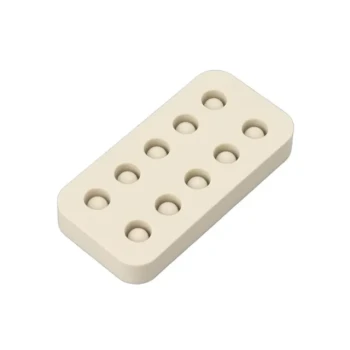
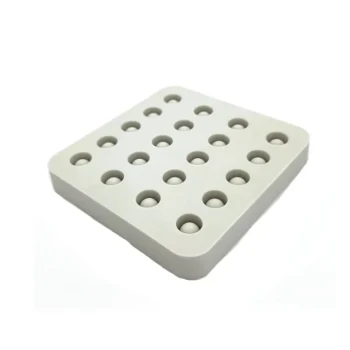
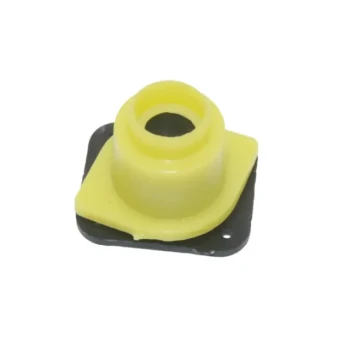
Specialized Queen Cups act as the primary biological trigger that initiates the artificial queen rearing process. Functionally, they serve as standardized, physical carriers that mimic the specific geometry and downward-facing orientation of natural queen cells. This structural simulation induces nurse bees to accept grafted worker larvae as future queens, prompting the secretion of royal jelly necessary for the larva's anatomical transformation.
Core Takeaway Success in queen rearing relies on effectively tricking the colony’s instincts through structural mimicry. Specialized Queen Cups provide the critical "larger-than-standard" dimensions and orientation that signal the colony to switch from worker maintenance to royal development.
The Mechanics of Structural Mimicry
Simulating Natural Geometry
The primary function of the Queen Cup is to replicate the physical environment of a natural queen cell. Unlike standard worker or drone cells, these cups are designed with significantly larger dimensions.
This increased scale provides the necessary developmental space for the queen larva to grow larger than a typical worker bee.
The Importance of Orientation
Beyond size, the cups facilitate a downward-facing orientation. This positioning is not arbitrary; it mimics the natural vertical hang of queen cells found during swarming or supersedure events.
This orientation relies on gravity and specific spatial cues to trigger the colony's rearing drive. It signals nurse bees to begin the construction of the cell walls downwards and fill the space with royal jelly.
Triggering Royal Jelly Secretion
Once a larva is grafted into the cup, the cup’s structure serves as a stimulus for nurse bees. The cup acts as a base that facilitates the extensive feeding required for queen differentiation.
Because the cup provides a stable, recognizable platform, nurse bees are induced to secrete royal jelly immediately. This transforms the cup from a passive container into an active biological incubator.
Operational Roles in Production and Research
Standardization for Mass Production
In commercial breeding, Queen Cups transform a biological variable into a standardized unit. They function as consistent "consumables" that allow for the large-scale replication of high-quality queens.
By using uniform molds, breeders ensure that every potential queen receives consistent nutritional access and developmental space. This reduces variability in the final quality of the queens produced.
Stability for Grafting
The cup serves as a stable physical carrier for the delicate process of larval grafting. It mimics the natural base structure of a cell, providing a secure attachment point for the transferred larvae.
This structural stability is essential for handling. It allows the breeder to move larvae between colonies or into incubators without damaging the developing insect or disrupting the comb structure.
Precision in Research Applications
In scientific settings, artificial cups provide a controlled boundary for experimentation. For example, in toxicological studies, the inner walls of the cup can be coated with specific substances.
This allows researchers to isolate and evaluate the impact of environmental factors, such as wax contamination, on queen development without the interference of variables found in natural comb.
Understanding the Trade-offs
The Acceptance Factor
While these cups are designed to mimic nature, they are still artificial substrates. The material and specific shape of the cup are critical variables that directly influence acceptance rates.
If the artificial material does not sufficiently resemble natural wax in texture or scent, nurse bees may reject the graft. The cup acts as the first "gatekeeper"—if the bees do not accept the cup, the quality of the larva inside is irrelevant.
Standardization vs. Adaptation
Using standardized cups imposes a "one-size-fits-all" approach on a biological process. While efficient, it requires that the breeder manually ensure the larvae are grafted correctly into the center of the cup.
Unlike natural cells which bees build to fit the specific need, an artificial cup is rigid. Improper placement of the larva within this rigid structure can lead to failure in the rearing process.
Making the Right Choice for Your Goal
To maximize the utility of specialized Queen Cups, align their use with your specific objective:
- If your primary focus is Commercial Production: Prioritize cups with standardized molds to ensure consistent royal jelly volume and uniform queen size across large batches.
- If your primary focus is Research or Toxicology: Utilize cups as controlled variables, leveraging their separate walls to test specific contaminants or environmental stressors on individual larvae.
The functional significance of the Queen Cup lies in its ability to bridge the gap between artificial intervention and natural instinct, converting a plastic or wax vessel into a thriving biological cradle.
Summary Table:
| Functional Feature | Biological Significance | Practical Benefit |
|---|---|---|
| Structural Mimicry | Mimics natural queen cell geometry | Triggers nurse bees to accept grafted larvae |
| Downward Orientation | Simulates swarming/supersedure cues | Prompts immediate royal jelly secretion |
| Standardized Size | Provides ample developmental space | Ensures consistent queen quality and size |
| Physical Stability | Offers a secure base for grafting | Simplifies handling and transport between hives |
| Material Design | Acts as an artificial substrate | Facilitates mass production and research control |
Partner with HONESTBEE for Professional Queen Rearing Solutions
Maximize your apiary's productivity with high-performance beekeeping technology. At HONESTBEE, we specialize in supporting commercial apiaries and distributors with a robust wholesale catalog designed for scale and precision. From specialized Queen Cups and grafting tools to advanced honey-filling machines and hive-making equipment, we provide the essential hardware and consumables your business needs to thrive.
Whether you are expanding your queen-rearing program or streamlining your honey production line, our team is ready to deliver tailored solutions and premium industry expertise.
Ready to elevate your beekeeping operations?
Contact Us Today for Wholesale Inquiries
References
- Khalil Hamdan. Natural Supersedure of Queens in Honey Bee Colonies. DOI: 10.1080/0005772x.2010.11417360
This article is also based on technical information from HonestBee Knowledge Base .
Related Products
- Brown Nicot Queen Cell Cups for Breeding Queen Bees Beekeeping
- JZBZ Type Wide Base Plastic Queen Cell Cups for Base Mounting and Queen Rearing
- 10-Cell Silicone Beeswax Bee Queen Cups Forming Mold
- Clear Black Plain Polystyrene Queen Bee Grafting Cell Cups No Lug for Bee Queen Cup
- JZBZ Push-In Queen Cell Cups for Beekeeping
People Also Ask
- What role do specialized queen rearing tools play in developing mite-resistant honeybee stock? Master Genetic Selection
- What materials are used to make artificial queen cell cups for grafting? Beeswax vs. Plastic Guide
- What roles do specialized queen cell cups play in royal jelly production? Optimize Your Hive's Secretion and Yield
- How does the standardized depth of queen cell cups affect larval acceptance? Boost Success with 6mm Precision
- Why is a diluted royal jelly solution applied to queen cell cups? Boost Acceptance in Artificial Grafting