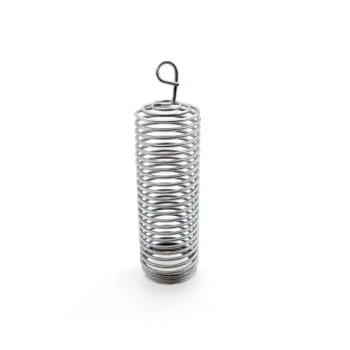
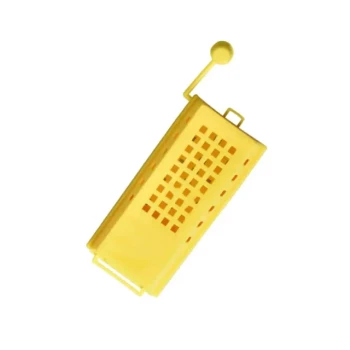
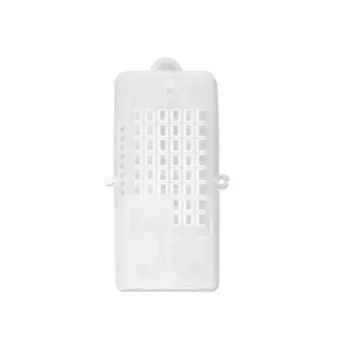
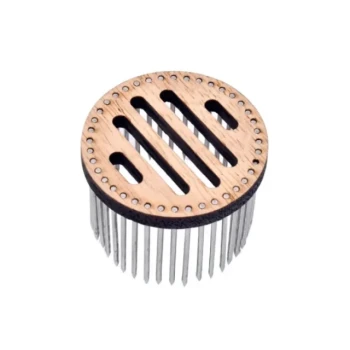
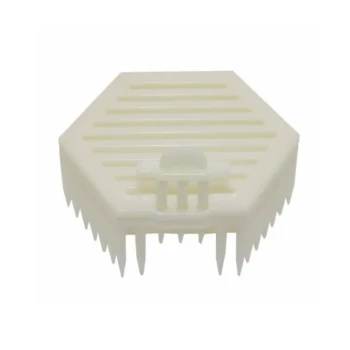
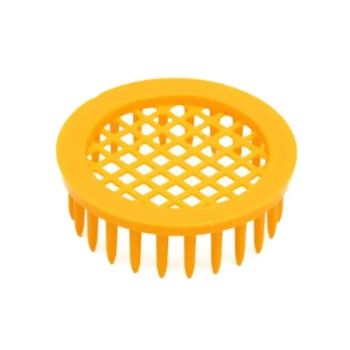
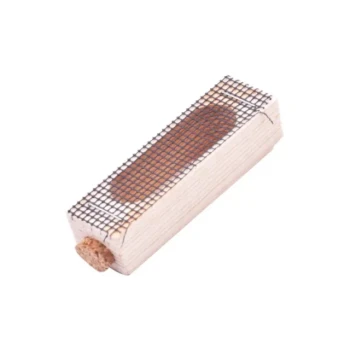
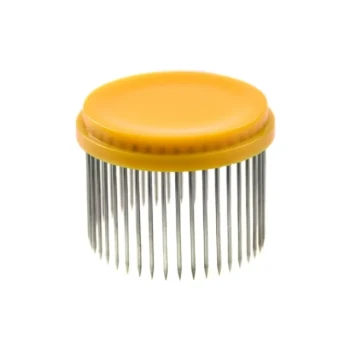
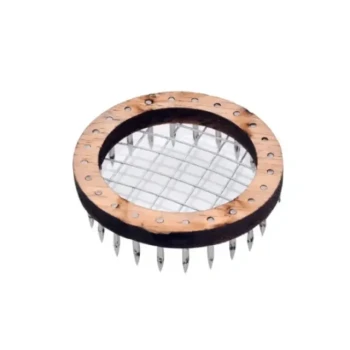
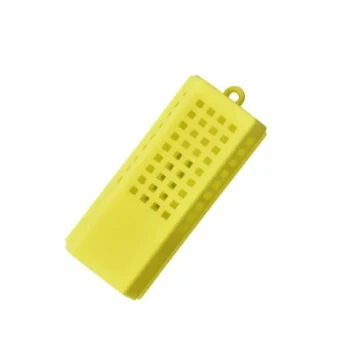
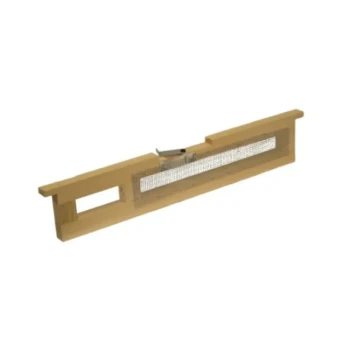
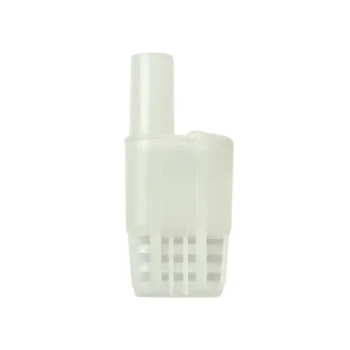
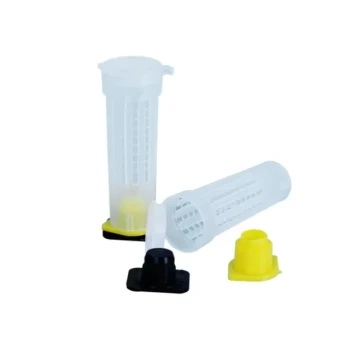
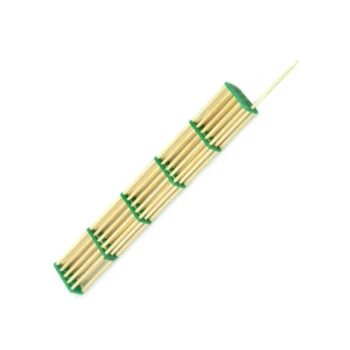
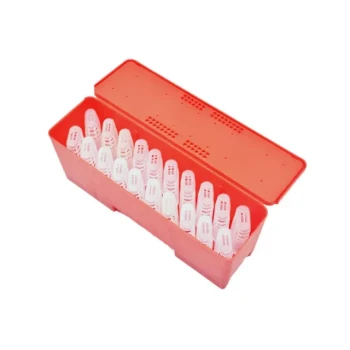
The fundamental purpose of a queen introduction cage is to serve as a biological buffer, facilitating the safe acceptance of a foreign queen into an established colony. By providing a physical barrier that permits airflow, the cage prevents immediate lethal aggression from worker bees while allowing the colony to gradually acclimatize to the new queen's pheromones.
These devices function as an essential insurance policy for your apiary, transforming the high-risk event of requeening into a controlled, phased integration that protects your financial and genetic investment.
The Biological Necessity of Isolation
Preventing Aggressive Rejection
When a new queen is introduced, the colony's existing worker bees often perceive her as a foreign invader.
Without intervention, this triggers a defensive response where workers "ball" the queen, leading to her injury or death. The cage provides immediate physical isolation, rendering the workers unable to attack while the queen remains safely suspended within the hive.
Facilitating Chemical Acceptance
Honey bee society relies heavily on chemical signaling.
The mesh construction of the cage is functional, not just structural; it allows the new queen's pheromones to permeate the hive environment. This phased contact allows the colony to habituate to her specific scent profile without direct contact, significantly increasing the likelihood of successful adoption.
Operational Value for Apiaries
Protecting High-Value Genetics
In medium-to-large apiaries, the cost of high-quality breeding resources is significant.
Using introduction cages protects this investment by ensuring that expensive, high-performance queens are not killed upon arrival. This tool is critical for maintaining production standards and ensuring the successful transfer of desired genetic traits.
Nutritional Support During Transition
Specialized cages often include compartments for food, typically sugar candy, and space for attendant bees.
This feature ensures the queen remains nourished and viable during the critical habituation period before the colony workers begin to feed her themselves. It bridges the gap between introduction and full integration.
Understanding the Trade-offs
Standardization vs. Customization
While standard manufactured cages offer consistency for large operations, they may not fit every unique hive configuration.
Modified or homemade cages offer a cost-effective alternative, allowing beekeepers to customize dimensions or entrance sizes. However, these require more labor to produce and must be carefully constructed to ensure they don't accidentally allow premature release or worker entry.
The Risk of User Error
The cage is a tool, not a guarantee.
Success relies on the beekeeper correctly placing the cage and ensuring the "candy plug" (if used) releases the queen at the appropriate time. An improperly designed or placed cage can still result in queen rejection if the release happens before pheromone habituation is complete.
Optimizing Your Requeening Strategy
To maximize success rates in your apiary, choose your tools based on your specific operational constraints.
- If your primary focus is scale and consistency: Stick to standardized commercial cages to ensure uniform introduction timelines and minimize labor across hundreds of hives.
- If your primary focus is cost-efficiency or non-standard hives: Utilize modified or homemade cages to tailor the release mechanism and fit to your specific equipment.
- If your primary focus is high-value breeding: Use specialized cages with ample food reservoirs and space for attendants to ensure maximum survival rates for expensive breeder queens.
The cage is not merely a container; it is the mechanism that aligns the biological pace of the colony with your management schedule.
Summary Table:
| Functional Benefit | Primary Mechanism | Impact on Apiary Operations |
|---|---|---|
| Physical Protection | Mesh barrier prevents worker "balling" | Protects high-cost genetic investments from lethal rejection. |
| Pheromone Integration | Controlled airflow/scent diffusion | Ensures chemical acceptance by the colony before direct contact. |
| Nutritional Support | Candy compartments & attendants | Sustains queen viability during the critical transition period. |
| Risk Management | Phased release mechanisms | Transforms high-risk requeening into a predictable, scheduled process. |
Secure Your Apiary’s Future with HONESTBEE
Maximize your hive productivity and protect your breeding investments with professional-grade beekeeping equipment. HONESTBEE specializes in supporting commercial apiaries and distributors with high-quality wholesale solutions. From precision queen introduction cages and beekeeping tools to advanced hive-making and honey-filling machinery, we provide the full spectrum of equipment and consumables needed to scale your operations.
Partner with us to streamline your production and access a wide array of honey-themed cultural merchandise. Contact our expert team today to discuss how our wholesale offerings can optimize your honey production and business growth.
References
- Małgorzata Bieńkowska, Paweł Węgrzynowicz. Honey Bee Queen Replacement: An Analysis of Changes in the Preferences of Polish Beekeepers through Decades. DOI: 10.3390/insects11080544
This article is also based on technical information from HonestBee Knowledge Base .
Related Products
- Durable Galvanized Steel Spring Queen Bee Cage
- Professional Queen Cage with Sliding Gate and Feeder Plug
- Professional Queen Bee Introduction and Transport Cage
- Professional Multi-Functional Queen Bee Cage
- Premium Wood and Steel Push In Queen Cage
People Also Ask
- Why are specialized queen bee cages used for the banking of mated queen bees? Maximize Commercial Apiary Storage Efficiency
- What is the mechanism of action for using temporary queen bee cages? Master Successful Queen Introduction
- What is the step-by-step process for installing a queen bee's cage onto a frame? Ensure Hive Acceptance Safely
- What is the optimal placement for a queen bee cage? Essential Strategies for Successful Re-queening
- What are the advantages and disadvantages of introducing a queen bee by embedding the cage? Boost Your Queen Acceptance