The general harvesting procedure relies on selecting fully ripe honeycombs and removing them with minimal disturbance. You begin by identifying combs that are fully or at least three-quarters capped, then use a sharp knife or hive tool to cut the comb directly into a clean, dry container. Throughout the process, you must brush off any bees, avoid combs containing brood or pollen, and immediately seal your container to prevent other bees from robbing the harvest.
The critical success factor in harvesting is not just the extraction, but the preservation of the colony; you must only harvest surplus honey (typically when 80% of frames are capped) and strictly avoid removing resources vital for the bees' winter survival.
Preparation and Comb Selection
Identifying Ripe Honeycombs
Before removing any resources, you must visually inspect the frames to ensure the honey is ripe. The primary indicator of ripeness is the wax capping; look for combs that are fully or three-quarters capped.
The 80% Rule for Hive Health
While three-quarters capped is the minimum for an individual comb, looking at the hive holistically is safer for the colony. It is generally advised to wait until 80% of the frames are fully capped with wax before initiating the harvest.
Avoiding Brood and Pollen
You must strictly differentiate between honey stores and the colony's nursery. Never remove combs that contain brood (developing bees) or pollen. These are essential for the colony's future population and nutrition.
The Extraction Process
Removing the Comb
Once a ripe comb is identified, use a sharp knife or hive tool to cut the comb away from the frame or top bar. This should be done directly over a clean, dry bucket to catch the comb and any dripping honey.
Clearing the Bees
As you remove the comb, you will need to clear the surface of any lingering bees. Gently brush the bees off the comb and back into the hive before placing the honeycomb into your transport container.
Preventing Robbing Behavior
Speed and hygiene are essential to prevent "robbing," where bees from other colonies attack to steal the exposed honey. Place the harvested comb into your bucket and replace the tight-fitting lid immediately after every cut.
Post-Harvest Hive Management
Restoring the Hive Architecture
Do not leave the hive open or disorganized. Once the honey is removed, you must replace the top bars or frames into their original positions to maintain the hive's structure.
Leaving Reserves for Survival
Beekeeping requires a balance between your harvest and the colony's needs. You must consciously leave a portion of honey behind to ensure the bees have enough food to survive, particularly if harvesting near the end of the season.
Common Pitfalls to Avoid
Harvesting High-Moisture Honey
If you harvest combs that are not sufficiently capped (less than three-quarters), the honey may have high water content. This can lead to fermentation, ruining the harvest and making it unsuitable for storage.
Contaminating the Harvest
Using dirty tools or containers is a frequent error. Ensure your collection bucket is clean and perfectly dry, as even a small amount of water or debris can compromise the quality of the honey.
Over-Harvesting
Taking too much honey is the most dangerous mistake for the colony. If you strip the hive of its winter reserves, the colony will likely starve during the colder months when forage is sparse.
Making the Right Choice for Your Goal
Harvesting involves strategic decisions based on your immediate needs and the long-term health of your apiary.
- If your primary focus is maximum honey quality: Prioritize harvesting only when frames are fully capped to ensure low moisture content and prevent spoilage.
- If your primary focus is colony longevity: Adhere strictly to the "leave some behind" rule and avoid harvesting late in the season to guarantee the bees have ample winter stores.
The most successful harvest is one that provides you with a surplus while leaving the colony strong enough to produce again next season.
Summary Table:
| Harvesting Stage | Key Requirement | Action to Take |
|---|---|---|
| Selection | 80% of frames capped | Identify ripe honey; avoid brood and pollen. |
| Extraction | Clean & dry equipment | Cut comb with a sharp tool directly into a sealed bucket. |
| Bee Management | Minimal disturbance | Gently brush bees back into the hive; work quickly. |
| Post-Harvest | Resource preservation | Replace frames and leave sufficient winter reserves. |
Scale Your Honey Production with HONESTBEE
Are you looking to optimize your commercial apiary's output? HONESTBEE provides professional-grade solutions tailored for commercial beekeepers and global distributors. From precision honey-filling machines and hive-making equipment to a complete range of wholesale beekeeping tools and consumables, we empower your business with efficiency and quality.
Our value to you:
- Comprehensive Wholesale Catalog: One-stop shop for hardware, machinery, and honey-themed merchandise.
- Industry Expertise: Equipment designed for durability and high-volume honey processing.
- Global Distribution: Reliable supply chains to keep your operations running smoothly.
Ready to upgrade your harvesting efficiency? Contact HONESTBEE today to discuss how our specialized equipment can grow your apiary business!
Related Products
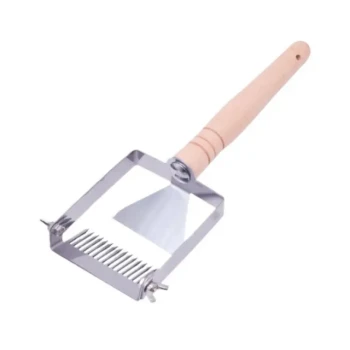
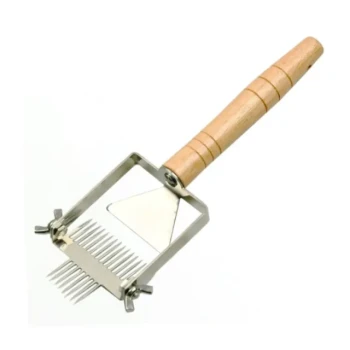
- All-Stainless Steel Pivoting Honey Uncapping Fork for Beekeeping
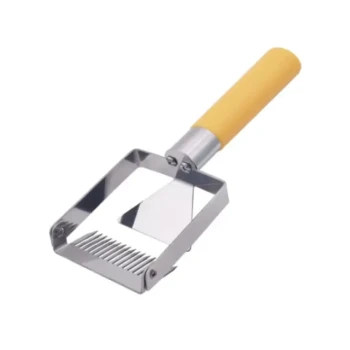
- Stainless Steel Pivoting Honey Uncapping Fork with Plastic Handle
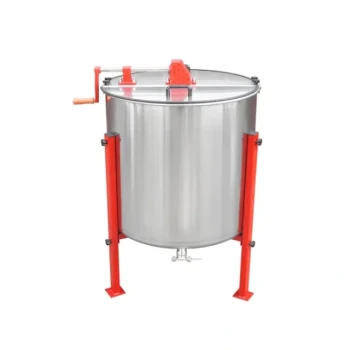
- 6 Frame Manual Stainless Steel Honey Extractor Beekeeping Equipment
- Electric 8 Frame Honey Spinner Extractor Equipment for Beekeeping
- HONESTBEE 2 Frame Manual Acrylic Honey Extractor Beekeeping Equipment
People Also Ask
- How does a honey uncapping fork supplement the use of an uncapping knife? Boost Your Honey Yield and Extraction Efficiency
- What is the design purpose of honey uncapping forks and honey uncapping tanks? Maximize Your Harvest Efficiency
- What are the essential tools for uncapping honey frames? Choose the Right Tool for Your Apiary
- What tools are used for honey uncapping? Choose the Right Knife for Your Harvest
- What is the primary function of specialized honey uncapping tools? Maximize Your Extraction Yield and Efficiency