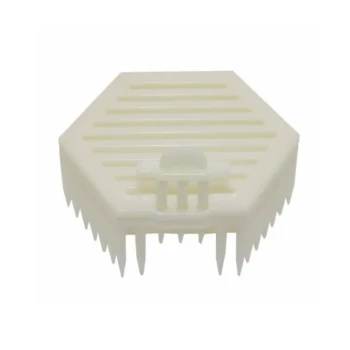
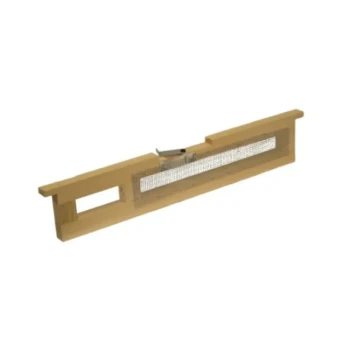
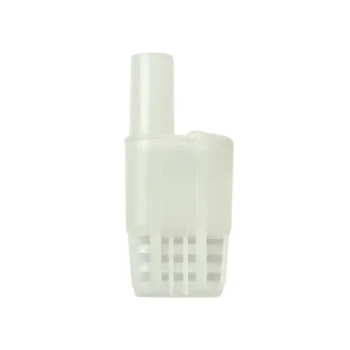
Specialized queen introduction tools are the critical safeguard for a colony’s genetic evolution. They provide a physical barrier that prevents worker bees from attacking a new queen during the volatile introduction phase. This isolation allows for the gradual diffusion of pheromones, ensuring the colony accepts the new genetic traits—such as higher productivity or disease resistance—without risking the loss of a high-value queen.
To scale commercial apiaries effectively, specialized cages are not just accessories but essential risk-mitigation tools. They bridge the gap between acquiring elite genetics and successfully integrating them into a productive colony environment, ensuring a high return on investment for commercial bee breeders.
Maximizing the Value of Genetic Investments
Protecting High-Value Assets
High-quality queen bees represent a significant financial investment in elite genetics, such as increased docility or better environmental adaptability. Specialized cages provide a physical protective barrier that prevents worker bees from causing physical harm or killing the queen due to initial rejection behaviors.
Facilitating Pheromone Acclimation
The mesh structure of professional cages allows for a controlled odor exchange between the new queen and the colony. This process enables the workers to gradually acclimate to the new queen's pheromones, which is the primary mechanism for social acceptance in honeybee colonies.
Ensuring a Stable Leadership Transition
By temporarily isolating the queen, these tools prevent the chaos of an immediate, unprotected introduction. This ensures a stable transition that maintains the colony's social order and prevents the productivity dips often associated with colony stress or queen loss.
Enhancing Commercial Productivity
Driving Honey Production Efficiency
Successful queen introduction is the first step toward enhancing overall honey production efficiency. Specialized tools ensure that the "superior genetic traits" of the new queen—designed for high yield—are successfully integrated into the apiary's workforce.
Strengthening Colony Resilience
New genetic lines are often introduced specifically to boost disease resistance and survival rates. Reliable introduction tools are the medium through which these resilient traits are delivered to the field, supporting the long-term health of commercial honeybee populations.
Supporting Industrial Scale-up
For distributors and large-scale apiaries, these cages act as vital carriers for optimizing genetic resources. Having access to a full-spectrum portfolio of introduction tools is necessary for the rapid expansion and modernization of commercial beekeeping operations.
Understanding the Trade-offs and Risks
Material Quality vs. Survival Rates
Using non-specialized or low-quality cages can lead to poor ventilation, which is a leading cause of queen mortality during shipping. High-transparency and well-ventilated transport packaging are non-negotiable for maintaining survival rates during long-distance logistics.
The Risk of Improper Timing
Even with the best tools, an introduction that is too short can result in the queen being rejected once she is released. Conversely, keeping a queen isolated for too long without access to sufficient food or worker care can diminish her long-term laying health.
Balancing Cost and Reliability
While basic cages are cheaper, they often lack the precision-engineered mesh or "candy release" mechanisms that automate the transition. For high-volume wholesalers, the risk of a failed introduction far outweighs the minor cost savings of using inferior equipment.
Making the Right Choice for Your Goal
How to Apply This to Your Portfolio
Distributors should align their inventory with the specific operational goals of their clients to ensure maximum satisfaction and repeat business.
- If your primary focus is long-distance shipping and logistics: Prioritize sourcing high-transparency, well-ventilated transport cages that ensure queen survival over extended transit times.
- If your primary focus is rapid genetic improvement in local apiaries: Offer a full-spectrum portfolio of specialized introduction tools that facilitate quick pheromone exchange and high acceptance rates.
- If your primary focus is supporting industrial-scale honey production: Focus on providing bulk quantities of reliable, standardized safety isolation consumables that reduce labor costs and transition times.
By providing specialized introduction tools, you empower beekeepers to transform their colonies' genetic potential into measurable commercial success.
Summary Table:
| Key Benefit | Primary Function | Commercial Impact |
|---|---|---|
| Genetic Protection | Physical barrier against worker bee aggression | Safeguards ROI on elite genetic investments |
| Pheromone Acclimation | Controlled mesh for odor/pheromone exchange | Increases colony acceptance rates of new queens |
| Leadership Transition | Temporary isolation for stable integration | Prevents productivity dips and colony stress |
| Logistics Safety | High-ventilation and transparent design | Maximizes survival rates during long-distance shipping |
| Operational Scaling | Standardized candy-release & isolation mechanisms | Reduces labor costs and facilitates rapid expansion |
Scale Your Commercial Success with HONESTBEE’s Expert Solutions
As a distributor or B2B reseller, your success depends on providing reliable, professional-grade equipment. HONESTBEE is your strategic partner, offering a one-stop sourcing experience for the full spectrum of beekeeping tools, specialized machinery, and essential consumables.
Why Partner with HONESTBEE?
- Comprehensive Portfolio: From precision-engineered queen introduction cages to advanced honey-filling machines.
- Optimized for Business: Benefit from high profit margins, OEM/ODM support, and professional industry expertise.
- Rapid Fulfillment: We guarantee ultra-fast delivery and dedicated customer service to ensure your supply chain remains resilient.
Ready to enhance your product lineup with elite genetic-protection tools?
Contact Our Wholesale Team Today to discuss bulk pricing and custom solutions.
References
- José Padilla-Vega, Domingo Sánchez Hernández. Geospatial analysis of apiaries and use of flora for honey purposes in Tacotalpa, Tabasco, Mexico. DOI: 10.22533/at.ed.813452413068
This article is also based on technical information from HonestBee Knowledge Base .
Related Products
- Durable Galvanized Steel Spring Queen Bee Cage
- Professional Queen Bee Introduction and Transport Cage
- Professional Queen Cage with Sliding Gate and Feeder Plug
- Professional Round Push-In Queen Cage with Metal Tines
- Classic Wooden and Mesh California Queen Cage
People Also Ask
- Why are specialized queen bee cages used for the banking of mated queen bees? Maximize Commercial Apiary Storage Efficiency
- What is the mechanism of action for using temporary queen bee cages? Master Successful Queen Introduction
- What is the step-by-step process for installing a queen bee's cage onto a frame? Ensure Hive Acceptance Safely
- What is the optimal placement for a queen bee cage? Essential Strategies for Successful Re-queening
- What are the advantages and disadvantages of introducing a queen bee by embedding the cage? Boost Your Queen Acceptance