The initial harvesting process begins with clearing bees from ripe combs and strictly verifying that the moisture content is below 18.5%. The frames are then uncapped to expose the honey, spun to extract the liquid, and strained to remove debris before being gently warmed—never exceeding 110°F—to preserve the honey's natural nutritional profile.
Core Takeaway The goal of raw honey harvesting is to separate the honey from the hive without altering its chemical composition. By limiting heat application to 110°F and using simple straining methods, producers ensure the final product retains its beneficial pollen, enzymes, and amino acids.
From Hive to Extraction
Clearing the Combs
The process starts by identifying combs containing ripe honey and removing the frames from the hive.
Bees must be removed from these combs before processing can begin. This is typically done by shaking the bees off the frames; however, young bees often cling tightly and require gentle removal using a bee brush.
The Critical Moisture Check
Before any extraction occurs, the honey must be tested for water content.
For the honey to be shelf-stable and resistant to fermentation, the moisture content must be under 18.5%. If the moisture is too high, the honey is not yet ready for harvest.
Mechanical Processing
Uncapping the Cells
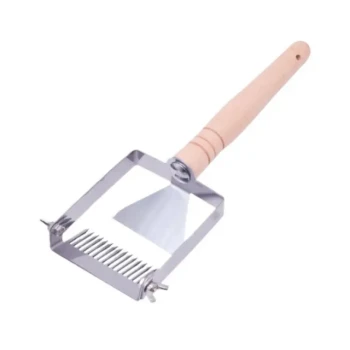
Once the frames are cleared and verified for moisture, the wax seals covering the honeycomb cells are removed.
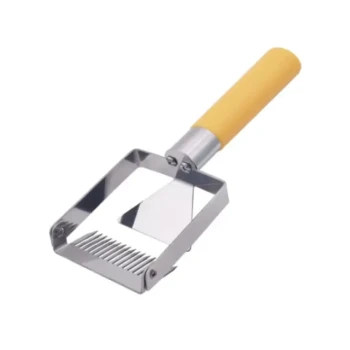
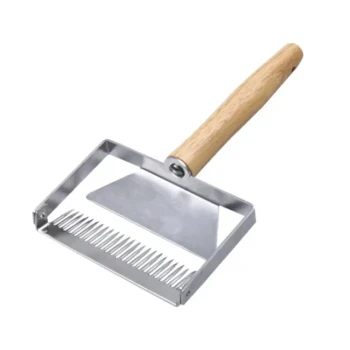
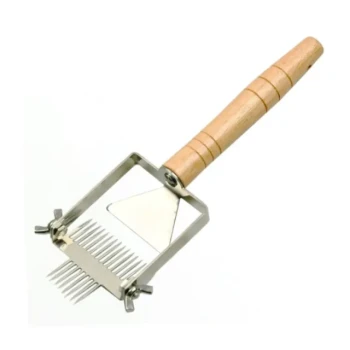
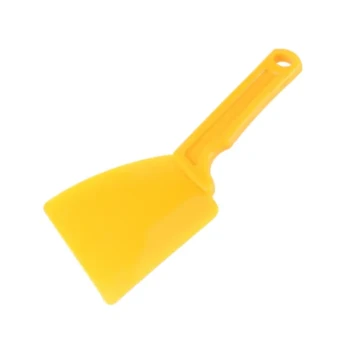
This process, known as 'uncapping,' manually or mechanically slices off the thin layer of wax sealing the honey. This exposes the liquid inside the comb for extraction.
Spinning and Straining
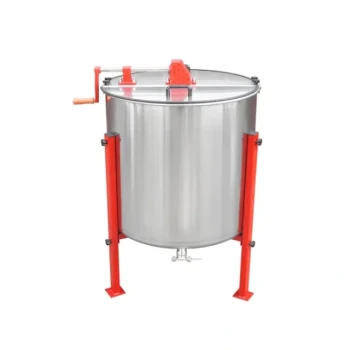
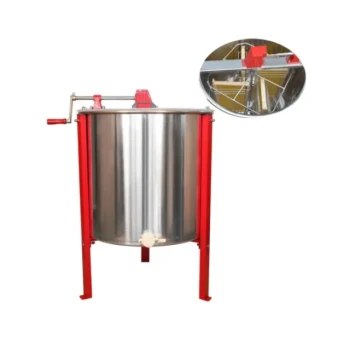
The uncapped frames are placed into a centrifuge or extractor to spin the honey out using centrifugal force.
After extraction, the raw honey is strained to remove bits of wax, propolis, or other hive debris. This step focuses on macro-cleaning rather than microscopic filtration.
Understanding the Trade-offs: Heat Management
The Temperature Threshold
A critical distinction in raw honey harvesting is the management of temperature.
To make the honey workable and clean, it is gently heated, but it must never exceed 110°F. This temperature limit is strict; exceeding it moves the product out of the "raw" category and can begin to degrade quality.
Balancing Purity and Nutrition
The trade-off for staying below 110°F is that the honey retains all its natural elements.
This gentle warming ensures the preservation of natural pollen, amino acids, yeasts, and enzymes. While higher heat would make processing faster and filtration easier, it would destroy these bioactive compounds.
Making the Right Choice for Your Goal
When evaluating honey harvesting methods or products, understanding the intent behind the process is key.
- If your primary focus is nutritional value: Ensure the harvesting process strictly adhered to the 110°F temperature cap to preserve enzymes and amino acids.
- If your primary focus is product stability: Verify that the moisture check was conducted efficiently to ensure the water content is below 18.5%, preventing fermentation.
True raw honey is defined not just by what is in the jar, but by the restraint exercised during its harvest.
Summary Table:
| Harvesting Stage | Key Action | Critical Standards |
|---|---|---|
| Preparation | Clearing & Brushing Bees | Remove bees gently to avoid frame damage |
| Moisture Check | Refractometer Testing | Must be below 18.5% to prevent fermentation |
| Processing | Uncapping & Spinning | Centrifugal extraction of liquid from wax cells |
| Filtration | Coarse Straining | Remove debris while retaining pollen & enzymes |
| Heat Control | Gentle Warming | Maximum 110°F (43°C) to preserve nutrition |
Scale Your Honey Production with HONESTBEE
At HONESTBEE, we empower commercial apiaries and honey distributors with the professional-grade tools needed to master the raw honey harvest. Whether you are looking for high-capacity honey-filling machines, advanced hive-making equipment, or a reliable wholesale supply of essential consumables, our comprehensive portfolio is designed to enhance your efficiency and product quality.
Ready to optimize your beekeeping operations? Contact us today to discover how our specialized machinery and wholesale solutions can grow your business and bring the finest honey-themed merchandise to your customers.
Related Products
- All-Stainless Steel Pivoting Honey Uncapping Fork for Beekeeping
- Stainless Steel Pivoting Honey Uncapping Fork with Plastic Handle
- 6 Frame Manual Stainless Steel Honey Extractor Beekeeping Equipment
- HONESTBEE 2 Frame Manual Acrylic Honey Extractor Beekeeping Equipment
- Electric 8 Frame Honey Spinner Extractor Equipment for Beekeeping
People Also Ask
- How does a honey uncapping fork supplement the use of an uncapping knife? Boost Your Honey Yield and Extraction Efficiency
- What is the design purpose of honey uncapping forks and honey uncapping tanks? Maximize Your Harvest Efficiency
- What are the essential tools for uncapping honey frames? Choose the Right Tool for Your Apiary
- What are the tools used for uncapping honeycombs? Expert Guide to Tools & Functions for Maximum Yield
- What is the primary function of specialized honey uncapping tools? Maximize Your Extraction Yield and Efficiency