The mechanical function of the uncapping process is the physical removal of the beeswax seal that bees secrete to cover mature honey cells. This procedure creates the necessary openings in the honeycomb, acting as a mandatory prerequisite that allows liquid honey to flow freely out of the cells during centrifugal extraction.
Uncapping transforms the honeycomb from a sealed storage unit into an open vessel. It is the critical preparatory step that enables centrifugal force to extract honey efficiently without destroying the comb's internal structure.
The Mechanics of Release
Breaking the Wax Seal
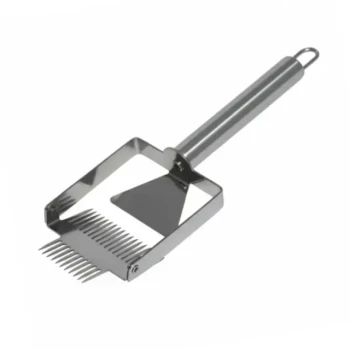
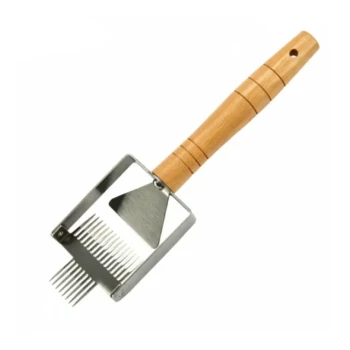
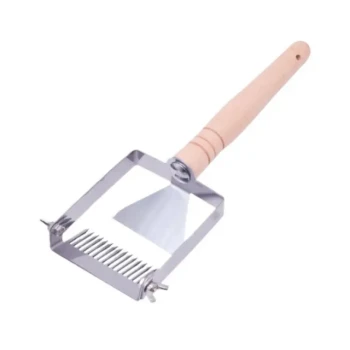
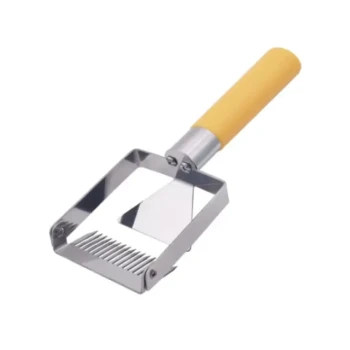
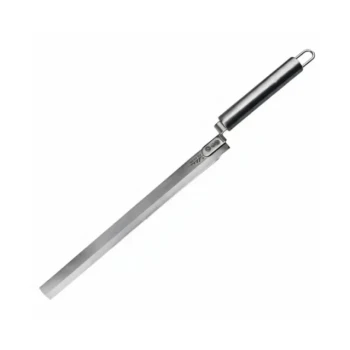
Honeybees cap mature honey with a thin layer of wax to preserve it. The primary mechanical role of uncapping is to slice, scratch, or brush away this capping layer.
Enabling Flow Dynamics
Once the cap is removed, the honey is no longer physically contained against external forces. This exposure is essential because the subsequent stage—centrifugal extraction—relies on the honey being able to slide out of the cell as the frame spins.
Preventing Vacuum Lock
Without uncapping, the cells remain air-tight. Even under high rotational speed, a sealed cell would create a vacuum effect or simply hold the honey in place, rendering the extractor useless.
Preserving Honeycomb Architecture
Structural Integrity
Unlike older methods that involved squeezing or crushing the comb, modern uncapping is designed to be non-destructive. The goal is to remove only the surface wax while leaving the cell walls intact.
The Efficiency of Reuse
By mechanically preserving the structure of the honeycomb, beekeepers can return the empty frames to the hive. This allows bees to reuse the comb immediately, saving them the significant energy required to rebuild wax and increasing overall apiary production efficiency.
Maximizing Recovery
Proper mechanical uncapping ensures the cappings are removed evenly across the frame. An uneven cut leads to "low spots" where honey remains trapped, while a clean, level cut ensures maximum recovery during centrifugation and minimizes residual loss.
Understanding the Trade-offs
Depth of Cut vs. Comb Damage
The depth at which you uncap is a critical mechanical variable. Cutting too deep removes the seal but damages the cell walls, forcing bees to expend energy repairing them. Cutting too shallow may leave some cells partially sealed, preventing honey extraction from those specific areas.
Speed vs. Precision
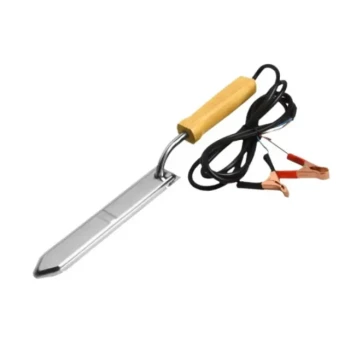
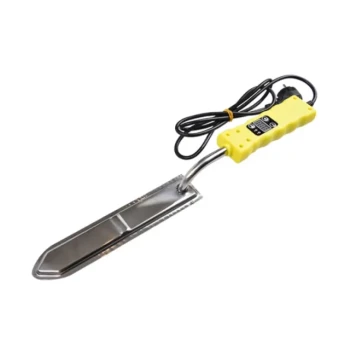
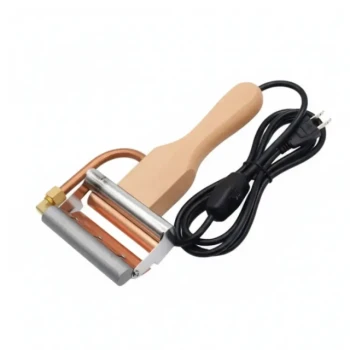
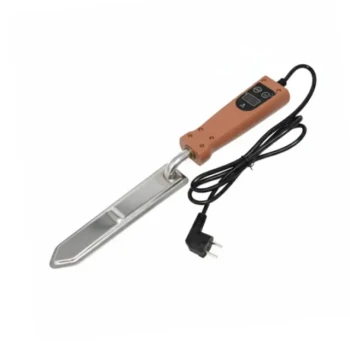
Using heated tools, such as electric uncapping knives, allows for a smoother, faster slice through the wax. However, manual tools may offer greater tactile control for irregular combs, albeit at the cost of time and physical effort.
Optimizing Your Uncapping Strategy
To ensure the most effective mechanical extraction, align your method with your specific processing goals:
- If your primary focus is Maximum Yield: Ensure your tools create a perfectly level surface to eliminate "shadowed" areas where honey cannot escape during spinning.
- If your primary focus is Colony Efficiency: Prioritize precision tools that remove the cap without damaging the cell walls, allowing for immediate reuse by the bees.
- If your primary focus is Process Speed: Utilize an electrically heated knife to slice through wax resistance effortlessly, reducing the physical bottleneck of the harvest.
The success of your harvest relies on the balance between effectively opening the cells and preserving the architecture that holds them.
Summary Table:
| Mechanical Objective | Primary Action | Benefit to Process |
|---|---|---|
| Wax Seal Removal | Slicing or scratching capping wax | Allows honey to exit the cells |
| Vacuum Prevention | Opening air-tight cells | Enables centrifugal force to move honey |
| Structural Integrity | Surface-level cutting | Allows bees to reuse frames immediately |
| Yield Optimization | Leveling the comb surface | Prevents trapped honey in low spots |
Maximize Your Apiary Production with HONESTBEE
Are you a commercial apiary or distributor looking to streamline your honey harvesting process? HONESTBEE provides the professional-grade tools and machinery you need to achieve the perfect uncap every time. From precision electric knives to high-capacity honey-filling machines, our comprehensive wholesale portfolio is designed to enhance your efficiency and recovery rates.
Our value to you:
- Industrial Efficiency: Specialized beekeeping machinery and hardware for large-scale operations.
- Total Support: A full spectrum of tools and industry consumables to keep your business running smoothly.
- Tailored Solutions: Equipment designed to preserve comb architecture while maximizing honey yield.
Contact HONESTBEE today to upgrade your extraction line and explore our exclusive commercial offerings!
References
- Sara Imène Betina, Naima Benkenana. Survey on the Situation of the Beekeeping Sector in Two Localities in Northeastern Algeria. DOI: 10.18805/ajdfr.drf-550
This article is also based on technical information from HonestBee Knowledge Base .
Related Products
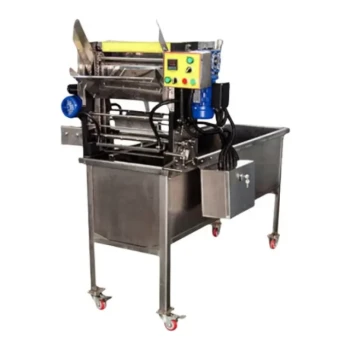
- Automatic Honey Frame Uncapper Machine for Beekeeping
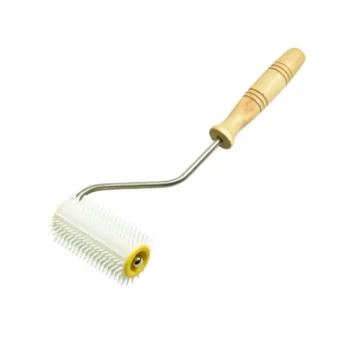
- Lightweight Plastic Uncapping Roller with Tines
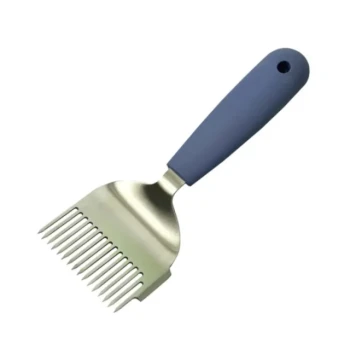
- Professional Multi-Function Uncapping Fork with Ergonomic Rubber Grip
- Professional Honey Uncapping Roller for Efficient Harvesting
- Professional Multi-Function Uncapping Fork with Integrated Blade for Beekeeping
People Also Ask
- What is the primary goal when choosing an uncapping method? Maximize Honey Yield & Comb Integrity
- What is the process of uncapping frames in beekeeping? Master the Best Methods for Maximum Honey Yield
- How are honey frames prepared before extraction? Master the Hive-to-Honey-House Process
- What is the process of uncapping honey frames before extraction? Expert Guide to Efficient Honey Harvesting
- What specialized tools are used to uncap honey frames prior to extraction? Top Uncapping Tools for Efficient Harvesting