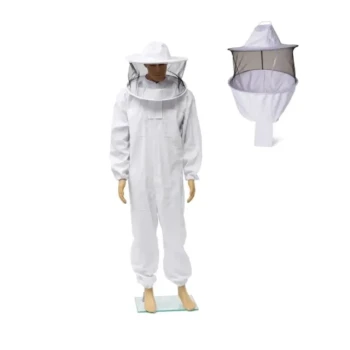
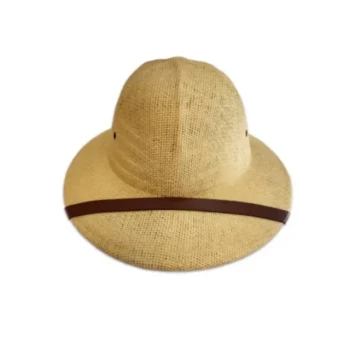
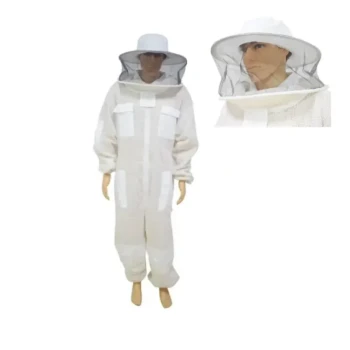
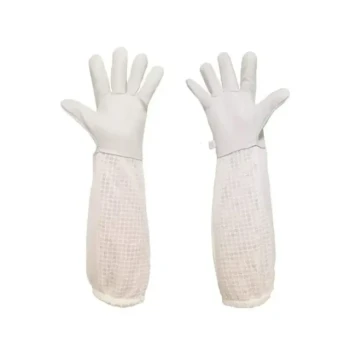
At its most fundamental level, the single most critical piece of protective gear for a beekeeper is a veil. This item is non-negotiable because it protects the eyes and face, which are the most vulnerable and painful areas to receive a sting. According to expert consensus, a veil—often worn with a helmet or hat—is the least cumbersome method to ensure basic safety while maintaining the visibility needed to work with a hive.
While additional layers provide comfort and confidence, the veil is the only piece of equipment strictly required to prevent potentially dangerous stings to the eyes, nose, and lips.
The Critical Importance of Face Protection
Why the Face Comes First
Stings on the arms or legs are unpleasant, but stings to the face carry higher risks. The soft tissue around the eyes, nose, and lips reacts severely to venom.
The Function of the Veil
A veil creates a barrier that keeps bees at a safe distance from the face while allowing for airflow and vision. It is the absolute minimum standard for safety; you can manage a hive without a suit, but never without a veil.
Helmet and Veil Combinations
The veil is often supported by a beekeeping helmet or hat. This structure ensures the mesh stays away from the skin, preventing bees from stinging through the netting if it touches your face.
Escalating Protection: From Basic to Complete
The Beekeeping Jacket
For those who need more than just face protection but want to remain agile, a jacket with an attached veil is a common upgrade. This protects the torso and arms but leaves the legs exposed.
The Full-Body Suit
A full suit offers total coverage from head to toe. This is ideal for long-duration hive inspections or when working with particularly aggressive colonies.
The Role of Under-Clothing
Regardless of the outer layer, the clothing worn underneath is vital. Thick denim jeans or canvas painter's pants prevent stings from penetrating everyday clothes.
Understanding the Trade-offs
Mobility vs. Protection
The "basic" veil offers the highest mobility and is the least cumbersome option. However, it requires the beekeeper to remain calm and tolerate bees landing on their unprotected arms or legs.
Heat Management vs. Cost
Full suits provide maximum safety but can become dangerously hot. Ventilated suits resolve this by using breathable mesh layers that bees cannot sting through, though they are significantly more expensive than non-ventilated options.
The Beginner's Paradox
While a veil is the basic requirement, it is rarely the best choice for a novice. Beginners usually lack the experience to remain calm when bees swarm, making a full ventilated suit the recommended starting point despite it being "extra" gear.
Making the Right Choice for Your Goal
When deciding between the bare minimum and full protection, consider your experience level and the task at hand:
- If your primary focus is absolute minimalism: Rely on a high-quality veil and helmet, ensuring you wear thick, loose-fitting clothing and boots to protect the rest of your body.
- If your primary focus is beginner safety: Invest in a full, ventilated bee suit to maximize confidence and minimize the fear of stings while you learn the craft.
- If your primary focus is quick maintenance: Utilize a jacket and veil combination, which allows for rapid assessment of the hive without the time required to don a full suit.
The best protective gear is the one that balances your safety with the ability to work the hive effectively and calmly.
Summary Table:
| Gear Type | Protection Level | Best For | Key Advantage |
|---|---|---|---|
| Beekeeping Veil | Basic (Face/Neck) | Minimalists | Maximum mobility & airflow |
| Beekeeping Jacket | Intermediate (Torso/Arms) | Quick inspections | Easy to put on/take off |
| Full-Body Suit | Comprehensive (Head-to-Toe) | Beginners/Aggressive hives | Maximum confidence & safety |
| Ventilated Suit | Comprehensive (Head-to-Toe) | Long sessions in heat | Breathable mesh prevents stings |
Elevate Your Apiary Safety with HONESTBEE
At HONESTBEE, we understand that the right gear is the foundation of a successful beekeeping operation. As a premier provider for commercial apiaries and global distributors, we offer a comprehensive wholesale range designed to meet every industry need.
Whether you are looking for high-quality protective apparel—from basic veils to professional-grade ventilated suits—or require specialized hive-making and honey-filling machinery, we deliver the tools and consumables that keep your business buzzing.
Ready to scale your operation or stock your shelves with industry-leading equipment?
Contact us today to explore our wholesale solutions and see how our expertise can drive your success.
Related Products
- Beekeeper Cowboy Hat and Veil for Beekeeping
- Professional Square Folding Wire Mesh Beekeeping Veil
- White Cotton Beekeeping Jacket and Veil for Bee Keepers
- Premium Cotton Beekeeper Suit with Reinforced Fencing Veil
- Premium Cowboy Beekeeper Hat with Visibility Veil Outdoor Professional Beekeeping Protective Gear
People Also Ask
- What is the correct way to wash a beekeeping hat and veil? Safe Hand-Washing Guide to Protect Your Gear
- What are the components and importance of a beekeeper's hat and veil? Essential Safety Gear for Apiary Success
- What are the differences between a separated and an attached beekeeping hat and veil? Security vs. Versatility
- What are the design specifications for an effective beekeeping hat and veil? Professional Standards for Protection
- What is the function of a beekeeping hat and veil? Essential Protection for Safe Hive Management