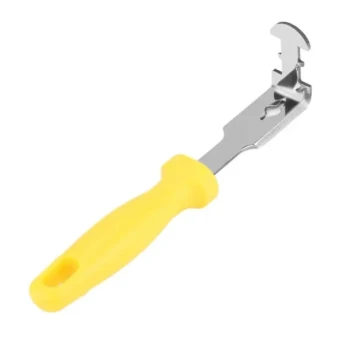
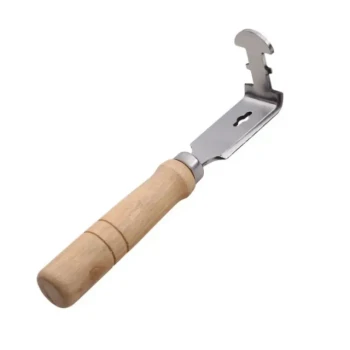
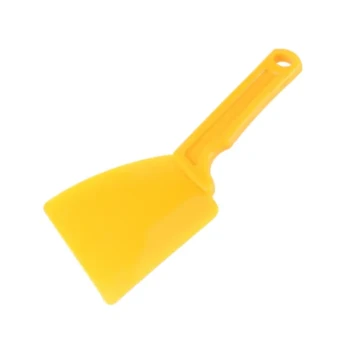
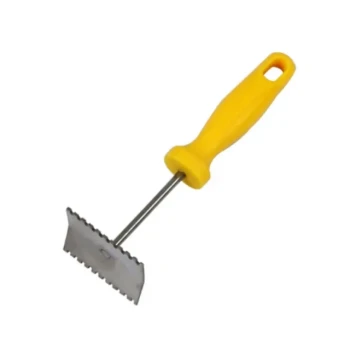
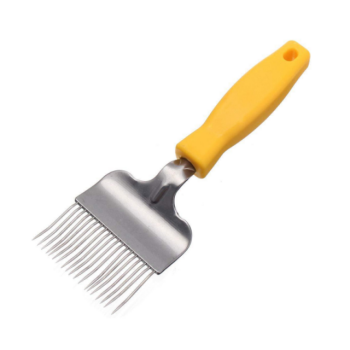
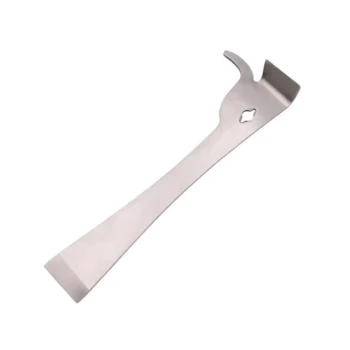
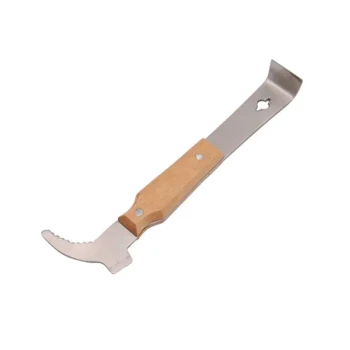
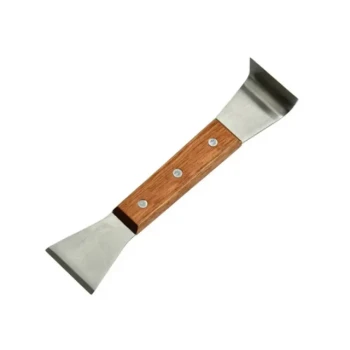
The necessity of utilizing scraping tools lies in their ability to efficiently harvest propolis from industrial hives, ensuring the acquisition of the sufficient volume required for commercial viability. This physical collection is the non-negotiable first step that transforms raw hive output into a reliable substrate for chemical analysis, grading, and mass production.
The use of scraping tools is the foundational link between the biological activity of the hive and industrial application. It converts a scattered, sticky hive byproduct into a consistent raw material stream necessary for establishing regional chemical fingerprints and industry-wide quality standards.
Establishing the Industrial Foundation
Securing Commercial Volume
In rational, industrial-grade beekeeping, the primary objective is scalability. Propolis is a resinous substance that bees distribute across hive components, often in hard-to-reach crevices.
Scraping tools are necessary to physically detach these deposits, allowing apiaries to aggregate a sufficient volume of raw resin. Without mechanical scraping, the yield per hive would remain too low to support industrial processing or large-scale supplement production.
Enabling Chemical Analysis
Before propolis can be sold or processed, its chemical composition must be understood. The raw material collected via scraping serves as the essential foundation for laboratory assessment.
By providing a substantial physical sample, scraping enables chemists to perform rigorous extraction and analysis. This step determines the bioactive potential of the material, which dictates its market value and potential health applications.
Standardization and Quality Control
Creating Regional Fingerprints
The propolis industry relies on consistency, yet the raw material varies significantly based on local flora. Systematic collection using scraping tools across different geographic zones is critical for mapping these variations.
This data allows the industry to establish regional chemical fingerprints. These profiles help buyers verify the origin of the material and predict its specific chemical properties.
Developing Grading Standards
Once regional fingerprints are established, the industry can create reliable grading standards. The raw material gathered through scraping provides the baseline data needed to define what constitutes "high-grade" versus "low-grade" resin.
This standardization is vital for transforming a raw agricultural commodity into a trusted ingredient for pharmaceuticals and dietary supplements.
Understanding the Trade-offs
Purity vs. Volume
While scraping is excellent for maximizing volume and cleaning hive frames, it introduces a risk of physical contamination. Because the tool scrapes directly against wooden components, the raw material may contain wood chips or wax debris.
Mechanical Integrity
Professional metal scrapers are designed to peel resin away without damaging the hive. However, improper use can gouge wooden frames. Conversely, while plastic traps (mentioned in supplementary data) offer higher purity by avoiding wood contact, they may not capture the propolis deposited on frame edges or corners, necessitating the continued use of scraping tools for comprehensive hive management.
Making the Right Choice for Your Goal
To maximize the value of your operation, align your collection method with your end-product requirements:
- If your primary focus is Industrial Scale: Prioritize scraping tools to ensure maximum volume collection and to maintain the hygiene of hive frames and corners.
- If your primary focus is Chemical Standardization: Use systematic scraping across various regions to build a robust library of samples for establishing grading benchmarks.
Mastering the physical collection process is the only way to turn a sticky hive sealant into a standardized, globally tradable commodity.
Summary Table:
| Feature | Scraping Tools (Manual/Mechanical) | Propolis Traps (Plastic) |
|---|---|---|
| Primary Goal | Maximizing Volume & Hive Maintenance | High Purity & Cleanliness |
| Yield Potential | High - Collects from all hive crevices | Moderate - Limited to trap surface |
| Physical Purity | May contain wood chips/wax | Very high purity |
| Industrial Use | Essential for mass raw material streams | Specialty/Premium extracts |
| Economic Role | Foundation for regional fingerprinting | Targeted bioactive sampling |
Optimize Your Propolis Harvest with HONESTBEE
Transitioning from hobbyist beekeeping to industrial-scale production requires the right infrastructure. HONESTBEE specializes in supporting commercial apiaries and distributors with a comprehensive range of professional beekeeping tools and machinery. Whether you need high-durability scraping tools for mass resin collection, honey-filling machines for your production line, or a steady supply of industry consumables, we provide the hardware necessary to standardize your output and maximize profitability.
Ready to scale your commercial operation? Contact our wholesale experts today to discover how our tailored equipment solutions can enhance your hive management and product quality.
References
- María Cristina Marcucci. Própolis Tipificada: Um Novo Caminho para a Elaboração de Medicamentos de Origem Natural, Contendo este Produto Apícola. DOI: 10.32712/2446-4775.2006.34
This article is also based on technical information from HonestBee Knowledge Base .
Related Products
- Heavy Duty Stainless Steel Frame Cleaner with Plastic Handle
- Professional Stainless Steel Frame Cleaner with Ergonomic Wood Handle
- 8 Frame and 10 Frame Propolis Trap Collector Screen for Propolis Collection
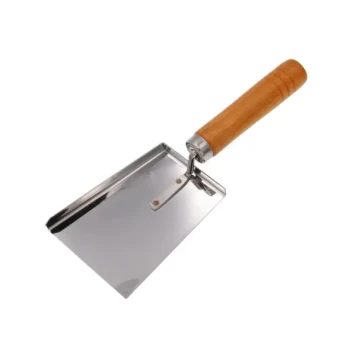
- Stainless Steel Pollen Shovel with Wooden Handle
- Professional Wide Blade Honey Scraper for Beekeeping and Honey Processing
People Also Ask
- What tools are used for cleaning frames? A Beekeeper's Simple 4-Tool Guide
- What are the physical characteristics of the frame cleaning tool? Durable Wood Design for Effective Hive Maintenance
- What is the purpose of the frame cleaning tool? A Precision Tool for Efficient Frame Maintenance
- In what specific situation is the frame cleaning tool particularly useful? Master Cut Comb Maintenance
- What is the function of the frame cleaning tool in beekeeping? Streamline Your Apiary Hygiene and Maintenance