The integrity of any compliance test relies entirely on the quality of the sample collected. Utilizing standardized sampling tools and protocols is strictly necessary to ensure that samples are statistically representative of the entire lot. This rigorous approach eliminates human bias and prevents environmental contamination, creating the only valid baseline for accurate physical, chemical, and microbiological analysis.
The reliability of laboratory results is determined before the sample ever reaches the bench. Standardized protocols are essential to remove human error and prevent cross-contamination, ensuring that the test results accurately reflect the quality and safety of the bulk product.
The Core Principles of Reliable Sampling
Eliminating Human Bias
Without a standardized protocol, sampling becomes subjective. A collector might unconsciously select the cleanest looking pieces of propolis, ignoring inconsistent or contaminated sections.
Standardized tools and random sampling protocols force the collection of a highly representative sample. This ensures that the resulting data reflects the true condition of the entire lot, not just the "best" parts.
Preventing Secondary Contamination
The collection phase is the point of highest risk for introducing outside contaminants.
Improper handling or non-sterile equipment can introduce bacteria or foreign matter that was not present in the original product. Utilizing standardized, sterile tools effectively blocks this secondary contamination, preserving the microbiological validity of the sample.
Ensuring Chemical and Physical Accuracy
Reliable testing for physical properties and chemical composition requires a pristine sample.
If the sampling method varies, the test results will vary, making it impossible to track quality trends or certify compliance. Standardization provides the consistency required for rigorous scientific validation.
Navigating Complex Hive Environments
Separation of Viscous Materials
In many hives, particularly those of stingless bees, the internal structure is complex. Propolis is often interconnected with honey stores and pollen reserves.
Professional material separation tools are necessary to physically isolate the viscous resinous propolis from these food stores. Without these specific tools, it is nearly impossible to harvest propolis without dragging honey or pollen into the sample.
Avoiding Cross-Contamination
When propolis is mixed with honey or pollen during harvest, it is technically cross-contaminated.
This mixture alters the chemical profile of the sample and reduces its commercial purity. Specialized tools ensure a clean separation, maintaining the high commercial value of the propolis.
Protecting Hive Architecture
Standardized tools are designed not just for extraction, but for precision.
Using proper equipment reduces mechanical damage to the intricate internal structures of the hive. This preserves the health of the colony while allowing for the extraction of pure samples.
Operational Considerations and Trade-offs
The Cost of Precision
Implementing standardized tools requires an upfront investment in professional-grade equipment. It is initially more expensive than using improvised or manual collection methods.
Training Requirements
Standardized protocols are not intuitive; they must be learned.
Operators require training to use separation tools correctly and follow sampling logic strictly. This adds a layer of time and effort to the operational workflow that is not present in casual harvesting.
Making the Right Choice for Your Goal
To maximize the value of your testing program, align your sampling methods with your specific objectives.
- If your primary focus is Regulatory Compliance: Adhere strictly to standardized protocols to ensure your physical, chemical, and microbiological data is defensible and bias-free.
- If your primary focus is Commercial Value: Prioritize the use of professional separation tools to prevent cross-contamination with honey and pollen, ensuring the highest possible purity grade.
True quality assurance begins the moment the tool touches the hive.
Summary Table:
| Feature | Standardized Protocol Benefit | Risk of Non-Standardized Methods |
|---|---|---|
| Data Integrity | Eliminates human bias; ensures representative samples | Subjective selection leading to skewed results |
| Purity | Prevents secondary/cross-contamination | Introduction of bacteria, honey, or pollen residues |
| Accuracy | Consistent baseline for chemical/physical analysis | Volatile results that fail regulatory validation |
| Hive Health | Precision tools protect internal hive architecture | Mechanical damage to colony structures |
| Compliance | Provides scientifically defensible test data | Rejection by regulatory bodies or distributors |
Elevate Your Apiary Standards with HONESTBEE
At HONESTBEE, we understand that global compliance and commercial purity are the benchmarks of success for modern beekeeping enterprises. As a dedicated partner to commercial apiaries and international distributors, we provide more than just equipment; we provide the foundation for quality assurance.
Our comprehensive wholesale portfolio includes:
- Professional Extraction Machinery: From precision hive-making to advanced honey-filling solutions.
- Specialized Beekeeping Tools: Designed to maintain the integrity of propolis, honey, and pollen.
- Industry Consumables: A full spectrum of essential supplies for high-volume operations.
Whether you are scaling your production or seeking to enhance your product's market value through rigorous standardization, HONESTBEE is here to help you lead the industry. Contact our experts today to discover how our specialized hardware and wholesale solutions can optimize your operations and secure your path to global compliance.
References
- Roman Dvykaliuk, SEDAT SEVIN. REVIEW OF NATIONAL REGULATORY REQUIREMENTS FOR PROPOLIS QUALITY FOR COMPLIANCE WITH INTERNATIONAL STANDARDS. DOI: 10.31548/animal.13(2).2022.16-25
This article is also based on technical information from HonestBee Knowledge Base .
Related Products
- 8 Frame and 10 Frame Propolis Trap Collector Screen for Propolis Collection
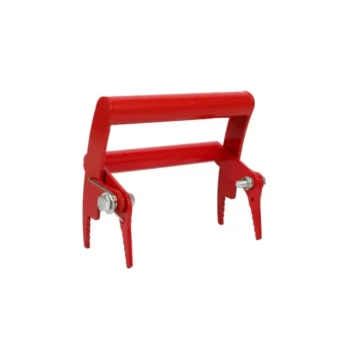
- Heavy-Duty Plier Action Frame Grip
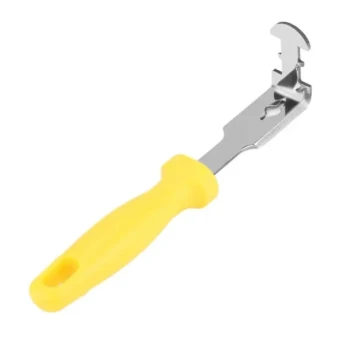
- Heavy Duty Stainless Steel Frame Cleaner with Plastic Handle
- Stainless Steel Pollen Shovel with Wooden Handle
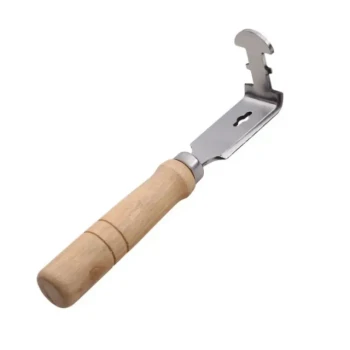
- Professional Stainless Steel Frame Cleaner with Ergonomic Wood Handle
People Also Ask
- Why is a specific wooden frame required when installing a propolis screen? Optimize Your Propolis Harvest Efficiency
- What are the advantages of using propolis collector screens? Elevate Your Harvest to Pharmaceutical Purity
- How do propolis collection screens work? Discover material specs for commercial harvesting equipment
- How does the mesh size of a propolis collection screen influence the efficiency of propolis harvesting? Optimize Yields!
- How do commercial-grade plastic screens compare to custom fine-mesh screens? Maximize Your Propolis Yield & ROI