The primary objective of frequent requeening is to systematically replace aging queens with young, high-performance stock to guarantee consistent colony productivity. This practice ensures that the hive maintains peak egg-laying efficiency and overall vitality, preventing the operational risks associated with a decline in natural reproductive capacity.
Commercial beekeeping imposes unique stressors that accelerate the decline of a queen's performance. By introducing young queens from selected breeding lines, beekeepers actively mitigate the risks of failure caused by transportation stress and environmental exposure, ensuring the colony functions as a reliable unit for pollination and production.
Maintaining Biological Efficiency
Maximizing Egg-Laying Capacity
The central engine of a commercial honeybee colony is the queen's reproductive output. As queens age, their natural capacity to lay eggs diminishes.
Frequent requeening replaces these older individuals with young queens who possess high-performance traits. This ensures the brood nest is continually replenished, maintaining the large population of worker bees required for commercial operations.
Preserving Colony Vitality
A colony's general health and vigor are directly tied to the genetic contribution and pheromone strength of the queen. Young queens drive colony vitality, resulting in a more robust workforce.
By rotating in fresh genetics, beekeepers prevent the stagnation that occurs when a queen's biological systems begin to falter.
Mitigating Commercial Stressors
Counteracting Transportation Stress
Commercial colonies are often "migratory," moved over long distances to service different pollination contracts. This constant movement places significant physiological stress on the queen.
Older queens are less resilient to these rigors and their reproductive capacity can decline rapidly under such strain. Requeening ensures the hive is led by a queen capable of withstanding the physical demands of long-distance transport.
Resilience Against Environmental Exposure
Modern agricultural environments often expose bees to pesticides and other chemical stressors. These factors can compromise a queen's reproductive health long before her natural lifespan ends.
Frequent replacement acts as a buffer against these environmental hazards. It ensures that any damage to the queen's reproductive system does not result in long-term colony failure.
Understanding the Risks of Inaction
Avoiding Reproductive Imbalance
The most critical risk in commercial management is "queen failure," where the queen stops laying or lays unfertilized eggs.
Relying on older queens increases the probability of reproductive imbalance. This leads to a shrinking workforce and a colony that is biologically unable to fulfill its role as an efficient pollination unit.
Prevention vs. Reaction
The strategy of frequent requeening is proactive rather than reactive. Waiting for a queen to fail naturally results in lost production time and weak colonies.
By scheduling replacements, managers prevent production declines before they occur, rather than scrambling to fix a collapsing colony.
Making the Right Choice for Your Goal
When establishing a colony management schedule, consider your specific operational targets.
- If your primary focus is pollination efficiency: Prioritize annual or bi-annual requeening to ensure maximum worker population density during bloom periods.
- If your primary focus is risk mitigation: Implement a requeening schedule that aligns with major transport events to counteract stress-induced failure.
A proactive requeening strategy is the most effective lever for converting a biological organism into a predictable commercial asset.
Summary Table:
| Key Objective | Primary Benefit | Commercial Impact |
|---|---|---|
| Biological Efficiency | Maximize egg-laying and brood density | Consistent worker population for honey flow |
| Stress Mitigation | Higher resilience to transport & heat | Lower mortality rates during migratory shifts |
| Risk Management | Prevention of sudden queen failure | Avoidance of lost production and weak colonies |
| Colony Vitality | Stronger pheromones & genetic vigor | Improved hive health and pest resistance |
Maximize Your Colony Performance with HONESTBEE
Maintaining peak productivity in commercial apiaries requires more than just biological management; it requires the right tools and infrastructure. HONESTBEE specializes in supporting commercial beekeepers and distributors by providing a comprehensive range of professional equipment.
From advanced hive-making and honey-filling machinery to specialized beekeeping tools and essential industry consumables, we help you transform biological potential into predictable commercial success. Whether you are scaling your pollination services or expanding your honey production, our high-performance hardware ensures your operation runs at maximum efficiency.
Ready to elevate your apiary's output? Contact us today to explore our wholesale offerings and discover how HONESTBEE can empower your beekeeping business.
References
- Laurent Cilia. The Plight of the Honeybee: A Socioecological Analysis of large‐scale Beekeeping in the United States. DOI: 10.1111/soru.12253
This article is also based on technical information from HonestBee Knowledge Base .
Related Products
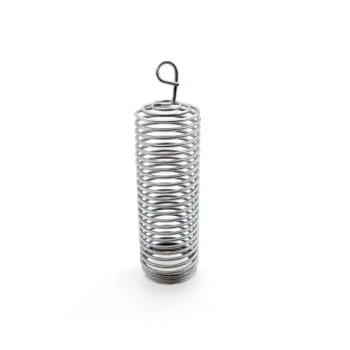
- Durable Galvanized Steel Spring Queen Bee Cage
- Portable Queen Bee Incubator with 12V Car Adapter for Safe Transport
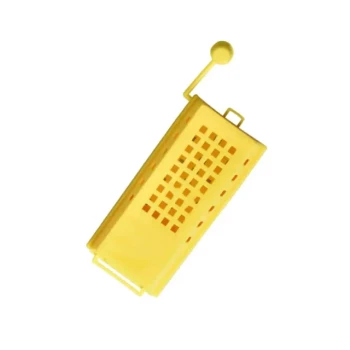
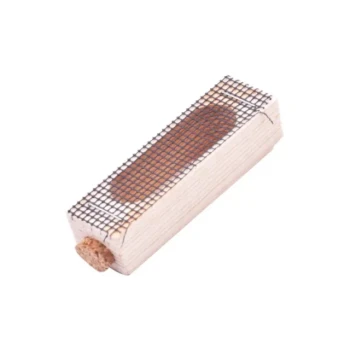
- Professional Queen Bee Introduction and Transport Cage
- Heavy Duty Stainless Steel Queen Bee Catcher Clip
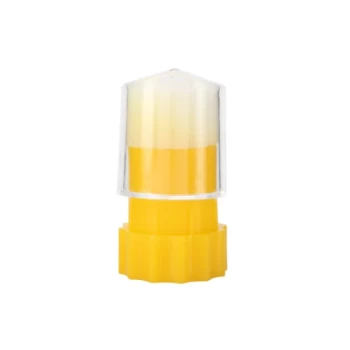
- Queen Bee Catcher Plastic Bee Marker Bottle with Piston Marking Tube
People Also Ask
- Why are specialized queen bee cages used for the banking of mated queen bees? Maximize Commercial Apiary Storage Efficiency
- What is the mechanism of action for using temporary queen bee cages? Master Successful Queen Introduction
- What is the step-by-step process for installing a queen bee's cage onto a frame? Ensure Hive Acceptance Safely
- What is the optimal placement for a queen bee cage? Essential Strategies for Successful Re-queening
- What are the advantages and disadvantages of introducing a queen bee by embedding the cage? Boost Your Queen Acceptance