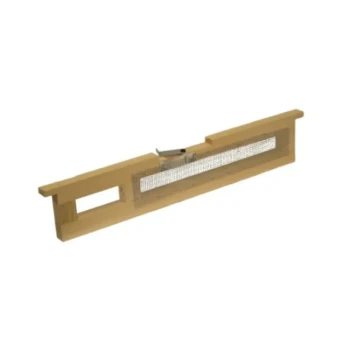
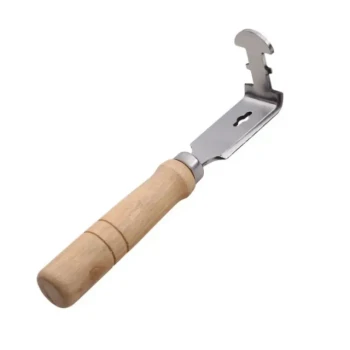
The specific objective of inspecting wooden frames and hive components is to identify structural damage caused by wax moth larvae seeking pupation sites. By locating areas where larvae have chewed into the wood or attached silk cocoons, beekeepers can gauge the severity of an infestation beyond simple comb damage. This process serves as a critical audit, providing concrete data to measure the effectiveness of current pest control strategies in protecting the apiary's physical infrastructure.
Inspecting hard components transforms subjective observation into a quantitative assessment of your pest management strategy. By documenting physical damage to the wood, you can determine the true service life of your equipment and validate whether your protective measures are successfully preserving the hive's structural backbone.
Identifying Structural Compromise
Detecting Larval Pupation Sites
The primary sign of deep infestation is physical alteration of the wood itself. Wax moth larvae do not strictly limit their consumption to wax; they frequently chew into wooden frames to create secure cavities for pupation.
Locating Silk Cocoons
Alongside chewing damage, the presence of silk cocoons attached to hard components is a definitive marker of larval development. These remnants indicate that the pest life cycle has progressed to maturity within the hive environment.
Assessing Equipment Integrity
Wooden frames provide the necessary stability for modern mobile beekeeping and industrial extraction. Inspecting these components ensures that the structural support system—essential for holding wax sheets and heavy honeycomb—remains sound enough to withstand handling and centrifugation.
Evaluating Pest Control Efficacy
Quantifying Defense Success
The state of the wooden components acts as a scorecard for your apiary’s hygiene protocols. Because wood damage occurs when larvae are preparing to pupate, it indicates a prolonged infestation that was not checked in earlier stages.
Extending Service Life
Regular inspection of hard components helps calculate the return on investment for your equipment. By identifying damage early, you can cull compromised frames before they fail during extraction, thereby extending the overall operational life of the hive's infrastructure.
Understanding the Trade-offs
The Lag Indicator Problem
It is crucial to understand that wood damage is often a lagging indicator. By the time larvae are chewing into frames, significant damage has likely already occurred to the comb and wax.
Inspection vs. Intervention
Inspecting the wood assesses past damage but does not solve an active crisis. Relying solely on wood inspection without monitoring soft wax components may result in noticing an infestation only after the colony has been severely compromised.
Handling Risks
While inspecting for damage, beekeepers often remove frames to check the center of the brood nest. Excessive or clumsy handling during this inspection can inadvertently harm the queen or disrupt the colony structure, counteracting the benefits of the assessment.
Making the Right Choice for Your Goal
To apply these insights effectively, tailor your inspection focus to your immediate management objectives:
- If your primary focus is Equipment Preservation: Prioritize checking the wooden top and bottom bars for deep gouges, as these compromise the frame's ability to hold heavy honey loads.
- If your primary focus is Pest Management Auditing: Use the count of pupation sites and cocoons on the wood as a metric to grade the failure or success of your previous season's storage and treatment protocols.
By treating wooden components as diagnostic tools rather than just structural supports, you convert passive observation into active asset protection.
Summary Table:
| Inspection Metric | Indicator Significance | Impact on Equipment |
|---|---|---|
| Larval Pupation Sites | Deep wood gouging / structural thinning | Reduces frame load-bearing capacity |
| Silk Cocoons | Advanced pest life cycle maturity | Indicates failure of early intervention |
| Wood Integrity | Quantitative damage scorecard | Determines remaining service life/ROI |
| Frame Joints | Loose or weakened connections | Risks failure during honey extraction |
Maximize the Longevity of Your Apiary Assets with HONESTBEE
Don't let wax moths compromise your physical infrastructure. HONESTBEE empowers commercial apiaries and distributors with the high-quality beekeeping machinery, specialized hardware, and essential tools needed to maintain a resilient operation. From durable hive-making equipment to industrial honey-filling solutions, our comprehensive wholesale portfolio is designed to protect your investment and optimize your production.
Ready to upgrade your equipment or secure your supply chain? Contact Our Expert Team Today to discover how HONESTBEE can support your business growth with professional-grade beekeeping essentials.
References
- Alemu Tsegaye, Meresa Lemma. Evaluation of different non-chemical wax moth prevention methods in the backyards of rural beekeepers in the North West dry land areas of Ethiopia. DOI: 10.9790/2380-07312936
This article is also based on technical information from HonestBee Knowledge Base .
Related Products
- Assembled Wooden Bee Frames with Beeswax Foundation Ready to Use by HONESTBEE
- Wooden Bee Hive Frames for Beekeeping and Wholesale
- HONESTBEE Wired and Assembled Wooden Bee Frames Foundation for a Thriving Hive
- Assembled Wooden Bee Frames with Plastic Foundation for Durability and Convenience by HONESTBEE
- Professional Wooden Requeening Frame for Beekeeping
People Also Ask
- Under what circumstances should bee frames be destroyed? Protect Your Apiary from American Foulbrood
- How should frames be rearranged as a bee colony grows? Master Hive Expansion and Nest Management
- Do bee frames need foundation? Choose the Right Approach for Your Apiary
- When should frames with new foundation be given to colonies? Master Timing for a Thriving Hive
- Do you have to wire bee frames? Essential Guide to Frame Strength & Honey Harvesting