Installing honey supers with pre-drawn comb before the honey flow gives colonies immediate storage capacity when timing matters most. Bees can move incoming nectar directly into finished cells instead of spending valuable forage energy producing wax, particularly during cool early-spring conditions. This reduces brood-nest congestion, protects the queen’s laying area, and helps limit the swarming impulse.
The operational advantage is speed: pre-drawn comb allows a colony to transition immediately from gathering nectar to storing and processing it, improving space management, colony stability, and harvesting efficiency.
Why Timing Before the Honey Flow Matters
Storage Must Be Available Before Congestion
Nectar can arrive rapidly once the main flow begins. If the colony lacks upper storage space, bees may place nectar in brood-nest areas, restricting the queen’s movement and reducing available egg-laying space.
Installing supers in advance gives worker bees a prepared destination for incoming nectar. This makes vertical expansion part of the colony’s setup before storage pressure becomes urgent.
Early Installation Supports Swarm Management
Overcrowding is a major factor in the development of swarming behavior. A super placed before the colony becomes congested provides additional working volume and can help preserve the colony’s focus on forage collection.
This does not eliminate all causes of swarming, but it gives the beekeeper an important management tool at the point when space becomes operationally critical.
Why Pre-Drawn Comb Improves Performance
Bees Avoid the Cost of New Wax Production
Drawing fresh comb requires bees to consume resources and divert labor from other colony activities. The demand is especially significant in early spring, when ambient temperatures are lower and colonies are already using substantial energy to maintain brood temperature.
Pre-drawn comb removes this construction step. Workers can begin storing nectar immediately, preserving more field force and nutritional reserves for colony growth and honey production.
Finished Cells Accelerate Colony Activity
Bees readily recognize established comb as usable hive space. With pre-drawn frames in place, they can begin cleaning, filling, ripening, and capping nectar without waiting for a new super to be built out.
The result is a faster response to the honey flow and less risk that the colony will lose productive days to comb construction.
The Brood Nest Remains More Productive
A dedicated honey super separates commercial honey storage from the brood area. This helps prevent nectar from occupying cells that the queen would otherwise use for laying.
Maintaining a functional brood nest supports colony continuity while allowing workers to expand honey storage vertically.
Operational Value Across the Apiary
More Consistent Colony Readiness
Prepping supers before the flow creates a repeatable deployment process. Colonies can be equipped as conditions develop instead of requiring last-minute assembly, frame preparation, or foundation drawing.
For commercial operations and distributors, this supports standardized service, faster order fulfillment, and more predictable equipment availability across multiple apiaries.
Better Use of Field Bees
When bees are not required to produce large amounts of wax during the onset of the flow, more workers can participate in nectar collection and processing. This is particularly valuable when the flow is short or weather conditions limit the number of effective foraging days.
The benefit is not simply additional box volume. It is more productive use of the colony’s available labor during a narrow seasonal window.
More Efficient Harvesting
Honey supers create a designated area for commercial honey. Keeping those stores above the brood chamber simplifies inspection, removal, and extraction.
This can reduce handling time and improve workflow efficiency, especially where many colonies must be processed within a limited harvest period.
Faster Establishment in New Colonies
Drawn comb can also accelerate the establishment of packages or developing colonies. With several prepared frames available, bees can begin organizing stores and colony activities without first building all required comb from foundation.
This is a useful operational shortcut when rapid colony development is more important than maximizing the use of new foundation.
Managing Supers and Queen Excluders
Bees May Hesitate to Draw Comb Above an Excluder
Colonies can be reluctant to cross a queen excluder to build out an empty super containing only foundation. This can delay the use of the added space at the beginning of the flow.
Pre-drawn comb generally reduces that hesitation because it presents an established, usable storage area rather than a construction project.
Foundation May Require a Temporary Setup
When only foundation is available, some apiary managers temporarily place the super directly above the brood chamber without a queen excluder. After workers begin drawing comb, the queen can be located in the lower box and the excluder installed.
This approach can improve equipment utilization, but it requires careful inspection and timely queen management to prevent brood from being established in the honey super.
Understanding the Trade-offs
Drawn Comb Requires Strict Storage Management
Pre-drawn comb is an operational asset, but it must be stored properly. Poor storage can expose comb to wax moths, rodents, moisture, contamination, or other damage that reduces its value before the next deployment.
Inventory controls and appropriate storage conditions are therefore part of the economic benefit.
Comb Quality Affects Productive Value
Old, excessively dark, damaged, or contaminated comb should not automatically be treated as equivalent to clean, serviceable drawn comb. The condition of the frames influences colony acceptance, hygiene, durability, and harvesting performance.
Purchasing and distributing drawn comb requires quality standards that distinguish usable inventory from nominal box count.
Supering Does Not Replace Colony Assessment
Adding space is not a complete swarm-prevention program. Colony strength, queen condition, brood pattern, weather, forage availability, and existing congestion still need to be assessed.
Supers should be installed according to colony readiness and local flow conditions rather than applied uniformly without inspection.
Equipment Availability Can Constrain Timing
The value of pre-drawn comb depends on having the right equipment ready before demand peaks. Delayed sourcing, incomplete orders, or slow fulfillment can negate the biological advantage of early supering.
Reliable supply planning is therefore important for wholesalers, resellers, and beekeepers managing seasonal inventory.
Making the Right Choice for Your Goal
The best application depends on whether the priority is colony performance, harvest efficiency, or supply-chain reliability.
- If your primary focus is maximizing early-flow productivity: Install supers with clean, serviceable pre-drawn comb before the flow so bees can store nectar immediately and devote less energy to wax production.
- If your primary focus is reducing swarming pressure: Provide additional storage space before the brood nest becomes congested, while continuing regular colony inspections and broader swarm-management practices.
- If your primary focus is efficient honey harvesting: Use dedicated honey supers to separate commercial stores from the brood nest and streamline removal, transport, and extraction.
- If your primary focus is distributing or reselling beekeeping equipment: Maintain a full-spectrum inventory of supers, drawn comb, frames, and related components so customers can respond quickly to narrow seasonal demand windows.
- If your primary focus is establishing new colonies: Include several prepared drawn frames where appropriate to help colonies begin storing resources and organizing the hive without waiting for all-new comb to be built.
Pre-drawn honey supers convert preparation time into productive colony time, giving beekeepers a practical advantage in space management, swarm control, and honey-flow performance.
Summary Table:
| Operational Aspect | With Pre-Drawn Comb | With Foundation Only |
|---|---|---|
| Storage Readiness | Immediate: bees store nectar right away | Delayed: bees must draw comb first |
| Wax Production | Reduced, saving colony energy | High, especially in cool weather |
| Brood Nest Congestion | Minimized, queen space preserved | Increased risk |
| Swarm Pressure | Managed with extra space | Less effective early |
| Colony Acceptance | High: recognized as usable space | Hesitation, especially above excluder |
| Harvest Efficiency | Streamlined: dedicated honey area | More mixing with brood |
| Time to First Harvest | Faster | Slower |
Ready to optimize your apiary with premium pre-drawn comb and honey supers? At HONESTBEE, we offer comprehensive wholesale solutions for commercial beekeepers and distributors. Our full-spectrum product portfolio includes hive-making machinery, honey-filling equipment, and essential consumables, all backed by rapid response, dedicated service, and ultra-fast delivery. Whether you need to expand your operation or source reliable equipment for your clients, we help you maximize efficiency and profitability. Contact us today to discuss your needs and receive a tailored quote—let's build a productive partnership!
Related Products
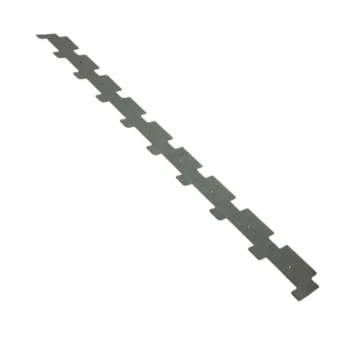
- Heavy Duty Castellated Iron Frame Spacer for Honey Supers
- Heart-Shaped Comb Honey Frame and Honeycomb Cassette
- Professional Sectional Comb Honey Frame with 250g Cassette System for Beekeeping
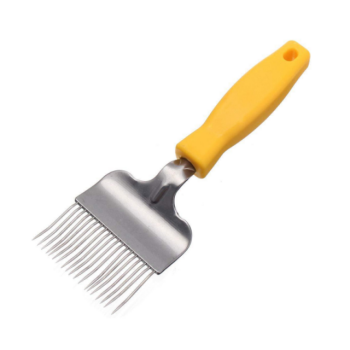
- Professional Bent Tine Honey Uncapping Fork with Ergonomic Grip
- Stainless Steel Jack Type Honey Comb Press Machine Wax and Honey Separator
People Also Ask
- What are honey super frames and what foundation options are available? Choose the Best Support for Your Bees
- What are the reasons and drawbacks of using nine frames in a ten-frame honey super? Boost Extraction Speed Today
- What are honey super frames and how many are needed per box? A Beekeeper's Essential Guide
- What are honey super frames and their foundation options? Choose the Best Support for Your Hive's Honey Production
- Why might a beekeeper use fewer than the standard number of frames in a honey super? Boost Extraction Efficiency