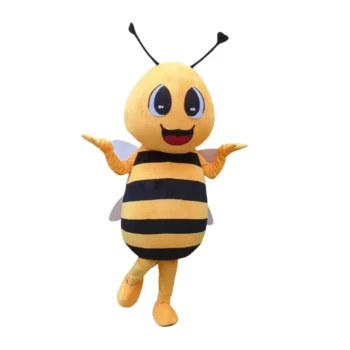
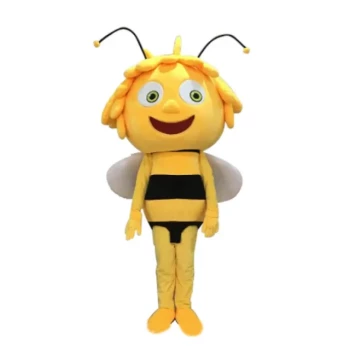
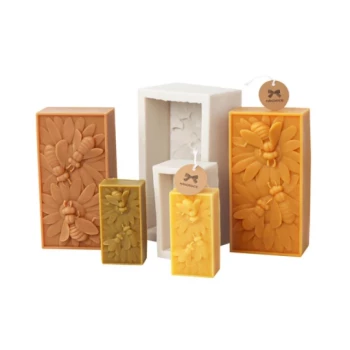
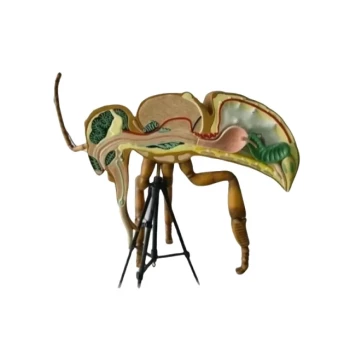
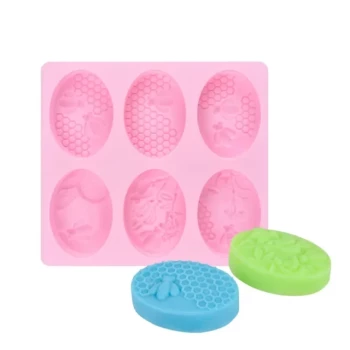
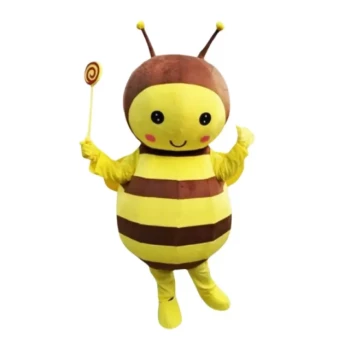
Providing cultural merchandise in research is a strategic tool for retention, not just promotion. In the context of long-term honeybee projects, items like hats and stickers function as effective non-monetary incentives that foster participant loyalty. By reducing attrition, these items help maintain the stable sample sizes necessary for the continuity and accuracy of scientific execution.
The practical value lies in psychological engagement rather than financial transaction. Custom merchandise builds a shared identity among participants, acting as a "soft incentive" that keeps volunteers engaged over long periods, protecting the project against the damaging effects of high turnover.
The Strategic Role of "Soft Incentives"
Cultivating a Sense of Belonging
The primary function of cultural merchandise is to build a community around the research. When participants receive custom items, they feel a stronger sense of identity and connection to the project.
This psychological bond transforms them from isolated data collectors into members of a cohesive team.
Creating a Non-Monetary Value Exchange
Research budgets often cannot sustain direct financial payments to long-term volunteers. Merchandise bridges this gap by offering a tangible reward that serves as a token of appreciation.
This "soft incentive" validates the participant's effort without introducing the complexities or costs of monetary compensation.
The Impact on Scientific Outcomes
Stabilizing Sample Sizes
The greatest threat to long-term monitoring is participant attrition, where volunteers drop out before the study concludes. High attrition leads to shrinking sample sizes, which can invalidate statistical findings.
Merchandise acts as a retention lever, keeping participation rates steady to ensure the data pool remains robust.
Ensuring Long-Term Continuity
Scientific rigor in monitoring projects relies on consistent data collection over time. If participants leave, the continuity of the dataset is broken.
By using merchandise to maintain engagement, researchers ensure the seamless execution of the study from start to finish.
Understanding the Trade-offs
Merchandise is Not a Cure-All
While merchandise reduces attrition, it cannot compensate for a poorly managed project or confusing protocols. It acts as a support mechanism, not a replacement for clear communication and organization.
The Requirement of Cultural Fit
For these incentives to work, the merchandise must actually resonate with the participants. The items must successfully tap into the specific "culture" of the group to build the intended sense of identity.
Making the Right Choice for Your Goal
To effectively utilize cultural merchandise in your research, consider the following approach:
- If your primary focus is data stability: Prioritize merchandise distribution at critical drop-off points to reinvigorate interest and maintain sample sizes.
- If your primary focus is community building: Design items that are highly visible (like hats) to foster a shared identity and sense of pride among volunteers.
Small investments in participant identity yield significant returns in data longevity.
Summary Table:
| Strategic Value | Description | Impact on Research |
|---|---|---|
| Identity Building | Cultivates a sense of belonging and community. | Transforms volunteers into a cohesive, loyal team. |
| Soft Incentives | Offers tangible, non-monetary rewards for effort. | Validates participation without high financial costs. |
| Sample Stability | Acts as a retention lever for long-term monitoring. | Prevents data loss by reducing participant drop-out. |
| Data Continuity | Ensures consistent data collection over time. | Maintains scientific rigor and statistical validity. |
Elevate Your Beekeeping Brand with HONESTBEE
At HONESTBEE, we understand that beekeeping is more than just a business—it’s a culture. Whether you are a commercial apiary, a distributor, or a researcher, our comprehensive wholesale offerings are designed to support every aspect of your operation.
From high-precision honey-filling machines and professional hive-making equipment to the very cultural merchandise (custom hats, stickers, and themed items) that builds community and brand loyalty, we provide the tools you need to succeed.
Ready to scale your operation or engage your participants more effectively? Contact us today to explore our full spectrum of hardware and essential industry consumables. Let HONESTBEE be your partner in honeybee excellence.
References
- Linde Morawetz, Robert Brodschneider. Between economic efficiency and idealism: motivations for beekeepers participating in a honey bee health research project. DOI: 10.22323/1.442.0003
This article is also based on technical information from HonestBee Knowledge Base .
Related Products
- Heavy-Duty Ergonomic Grip Galvanized Pollen Shovel
- Solar Beeswax Melter Easy Solar Wax Melter for Beeswax
- HONESTBEE AC Powered Wire Embedder with Alligator Clips
- Honey Bee Lifecycle Model: A Detailed Honeycomb Display of Bee Development
- Professional Beekeeper Suit with Square Folding Cotton Veil
People Also Ask
- For what reasons do beekeepers collect bee pollen? Boost Hive Health and Unlock New Revenue Streams
- Why should commercial apiaries focus on the collection of diversified bee products? Maximize Your Hive’s Profit Potential
- How do bee pollen collection tools affect the quality of bee pollen used in functional dairy ice cream production?
- How does a specialized pollen collector facilitate the harvesting of diverse bee products? Automate High-Value Yields
- What is the impact of pollen collectors and associated equipment on the cost structure of pollen production? Maximize ROI