Freezing is the definitive standard for preserving bee pollen. Because fresh pollen contains high moisture and volatile nutrients, placing it in a standard freezer immediately after collection is the only reliable way to maintain its nutritional profile, flavor, and texture for an extended period.
The Core Reality Bee pollen is a biologically active, high-moisture substance that begins to degrade the moment it is harvested. Freezing effectively "stops the clock," preventing mold growth and nutritional loss without altering the pollen’s delicate physical structure.
Why Freezing is Superior
Preserving Nutritional Value
The primary goal of collecting bee pollen is often its health benefits. Freezing is the preferred method because it locks in vitamins, proteins, and enzymes that heat or improper drying can destroy. It keeps the pollen as close to its natural state as possible.
Preventing Mold Growth
Fresh pollen has a significant natural moisture content. If left at ambient temperatures, this moisture creates an ideal environment for mold and bacteria. Freezing isolates this moisture, preventing spoilage for an indefinite period.
Maintaining Texture and Flavor
High-quality fresh pollen is characterized by a soft texture and earthy flavor. Alternative methods, particularly improper drying, often result in hard, crunchy pellets. Freezing preserves the original mouthfeel and taste profile that consumers and beekeepers value.
Critical Pre-Freezing Protocols
Harvest Frequency
To make freezing effective, you must minimize the time the pollen sits in the trap. Harvest daily or every other day. Leaving pollen in the trap longer promotes moisture buildup and mold before the preservation process even begins.
Immediate Cleaning
Once collected, the pollen must be cleaned promptly. Remove debris such as bee parts or wax. Because the product is delicate, this should be done quickly before transferring the pollen to the freezer to avoid exposure to humidity.
Understanding the Trade-offs
Freezing vs. Drying
While pollen can be carefully dried and vacuum-packaged, this introduces variables that jeopardize quality. Improper processing leads to nutritional loss and an undesirable crunchy texture. Drying is generally only preferred when cold storage is impossible, whereas freezing guarantees consistency.
Storage Dependencies
The main limitation of freezing is the requirement for a continuous "cold chain." If you are selling the pollen or transporting it, it must remain frozen. However, for personal use or direct local sales, the benefits of quality far outweigh the logistical requirements.
Making the Right Choice for Your Goal
- If your primary focus is Maximum Nutrition: Freeze the pollen immediately after cleaning to retain the full spectrum of vitamins and enzymes.
- If your primary focus is Colony Health: Limit trapping to two weeks per hive and freeze any surplus intended for feeding back to the bees later to ensure they receive high-quality protein.
- If your primary focus is Marketability: distinctively market your product as "fresh-frozen" to highlight the superior soft texture compared to dried commercial alternatives.
Treat bee pollen not as a dry grain, but as a fresh biological product that requires immediate stabilization.
Summary Table:
| Preservation Method | Nutritional Retention | Texture | Shelf Life | Key Advantage |
|---|---|---|---|---|
| Freezing | Maximum (Best) | Soft & Natural | Indefinite (Frozen) | Preserves enzymes and prevents mold |
| Drying | Moderate/Low | Hard & Crunchy | Long (Ambient) | Easy transport/No cold chain needed |
| Vacuum Sealing | Moderate | Compressed | Moderate | Reduces oxidation post-drying |
Elevate Your Apiary's Output with HONESTBEE
Preserving premium bee pollen requires the right tools from the start. As a dedicated partner to commercial apiaries and distributors, HONESTBEE provides the professional-grade beekeeping machinery and equipment necessary to harvest and process high-quality products efficiently. From precision hive-making machines to honey-processing hardware, our comprehensive wholesale offering ensures your operations remain competitive and productive.
Ready to scale your beekeeping business? Contact us today to explore our full spectrum of tools and industry consumables tailored for the modern beekeeper.
Related Products
- Plastic Bee Pollen Trap Strips Comb Catcher Collector
- 30 cm Plastic Entrance Hole Bee Pollen Trap and Collector
- Removable Plastic Pollen Trap With Ventilated Tray for Bees Pollen Collector
- Heavy-Duty Ergonomic Grip Galvanized Pollen Shovel
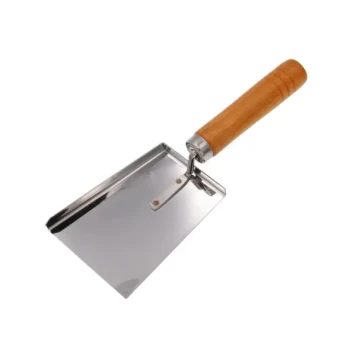
- Stainless Steel Pollen Shovel with Wooden Handle
People Also Ask
- For what reasons do beekeepers collect bee pollen? Boost Hive Health and Unlock New Revenue Streams
- What are the design principles and advantages of pollen traps in the collection of bee pollen? Boost Your Apiary Yield
- What are the ideal weather conditions for installing a bee pollen trap? Ensure Colony Safety with Expert Timing
- Why is frequent harvesting of bee pollen from traps necessary for quality control? Ensure Freshness and Prevent Mold.
- What is the primary function of bee pollen traps? Optimize Your Pollen Harvest with Advanced Extraction Efficiency