A honey super is a modular extension placed on top of a beehive specifically to house surplus honey. Its primary function is to provide the colony with the necessary volume to store nectar during peak production periods, known as nectar flows, ensuring the bees have adequate space to work without becoming overcrowded.
The honey super acts as a modular "attic" for the hive, allowing beekeepers to harvest excess honey without disturbing the colony’s reproductive center in the lower boxes.
The Mechanics of Vertical Expansion
Accommodating Peak Production
Bees require significant storage space when local flora is blooming abundantly. The honey super offers a scalable solution, allowing the beekeeper to add volume to the hive exactly when the colony needs it most.
The "Superstructure" Concept
The term "super" is derived from "superstructure," referring to any box added above the hive's main body. This vertical design facilitates efficient honey collection by working with the bees' natural tendency to store honey above the brood nest.
Modular Flexibility
Because supers are removable, they allow for a standardized approach to management. A beekeeper can stack multiple supers to match the intensity of the nectar flow, then remove them for harvesting once the frames are capped.
Distinguishing the Super from the Brood Box
Separation of Functions
A standard hive is divided into two distinct zones. The lower boxes (brood chambers) are the nursery where the queen lays eggs and larvae develop. The upper boxes (honey supers) are strictly for food storage.
The Role of the Queen Excluder
To maintain this separation, a grid called a queen excluder is often placed between the brood box and the honey super. This device allows worker bees to pass through to store honey but prevents the larger queen from entering the super to lay eggs.
Physical Differences
While functionally distinct, supers are often physically different as well. They are frequently "medium" or "shallow" depth boxes, making them smaller than the "deep" boxes used for the brood nest.
Understanding the Trade-offs
Weight Management
A key reason honey supers are often shallower than brood boxes is human ergonomics. A deep box fully filled with honey can weigh significantly more than 60 lbs, whereas a shallow super is lighter and easier to lift during harvest.
Timing the Installation
Adding a super is not a "set it and forget it" task. If added too early, the extra space can lower the hive temperature and stress the colony; if added too late, the lack of space may trigger the bees to swarm.
Pest Vulnerability
Because supers add volume to the hive, they increase the territory the bees must patrol. A weak colony may struggle to defend a large super against pests like wax moths or small hive beetles, requiring the beekeeper to match the space provided to the colony's strength.
Making the Right Choice for Your Goal
To effectively utilize honey supers, you must align their usage with your specific beekeeping objectives:
- If your primary focus is maximizing pure honey harvest: Use a queen excluder between the brood box and the super to ensure no eggs or larvae contaminate the honey frames.
- If your primary focus is ease of physical management: Opt for "shallow" supers rather than "mediums" or "deeps," as they will be significantly lighter to lift when full of honey.
- If your primary focus is colony expansion: Monitor the nectar flow closely and only add a honey super when the frames in the box below are roughly 70-80% full.
Successful supering balances the colony's need for space with the beekeeper's ability to manage the equipment.
Summary Table:
| Feature | Honey Super | Brood Box |
|---|---|---|
| Primary Purpose | Storing surplus nectar and honey | Nursery for eggs, larvae, and queen |
| Standard Position | Top of the hive (above brood) | Bottom of the hive |
| Common Sizes | Shallow or Medium depth | Deep or Medium depth |
| Queen Access | Restricted (via Queen Excluder) | Full access for egg laying |
| Weight (Full) | Lighter (easier for harvesting) | Very heavy (60+ lbs) |
Elevate Your Apiary's Productivity with HONESTBEE
Maximize your honey yield and streamline your harvesting process with professional-grade equipment. At HONESTBEE, we cater to commercial apiaries and distributors with a comprehensive wholesale offering. From specialized honey-filling machines and durable hive-making hardware to a full spectrum of beekeeping tools and consumables, we provide the infrastructure your business needs to scale.
Whether you are expanding your commercial operation or sourcing high-quality equipment for distribution, our portfolio of industry-leading machinery and cultural merchandise ensures you stay ahead. Contact us today to discuss your wholesale needs and discover how our expertise can drive your success.
Related Products
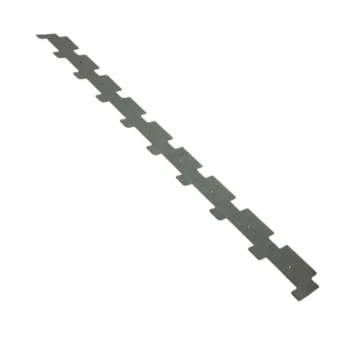
- Heavy Duty Castellated Iron Frame Spacer for Honey Supers
- Durable 16 Way Circular Bee Escape for Efficient Honey Harvesting
- Digital Honey Refractometer for Precision Measurement of Optimal Honey Quality
- Precision Honey Refractometer Instrument for Quality Assessment
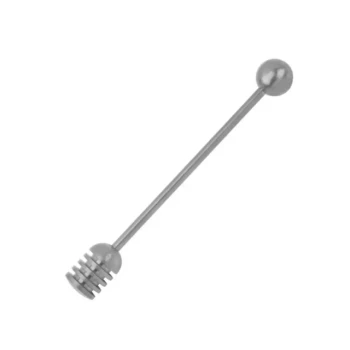
- Professional Plastic Honey Dipper for Easy Honey Drizzling
People Also Ask
- What are honey super frames and what foundation options are available? Choose the Best Support for Your Bees
- What are the reasons and drawbacks of using nine frames in a ten-frame honey super? Boost Extraction Speed Today
- What are honey super frames and how many are needed per box? A Beekeeper's Essential Guide
- What are honey super frames and their foundation options? Choose the Best Support for Your Hive's Honey Production
- Why might a beekeeper use fewer than the standard number of frames in a honey super? Boost Extraction Efficiency