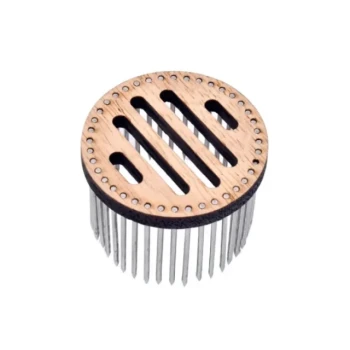
The primary function of a wooden topping box is to strictly segregate the colony's honey stores from its reproductive center. Installed directly on top of the original hive or log, this structure creates a dedicated upper chamber for honey and pollen accumulation, physically isolating it from the brood cells below.
By decoupling the storage area from the nursery, the topping box solves the central conflict of stingless beekeeping: how to harvest resources without destroying the complex nest structure required for the colony's survival.
The Mechanics of Hive Separation
Protecting the Brood Core
The fundamental purpose of the topping box is to shield the queen and her developing offspring.
In a standard or natural nest, brood cells and food pots are often intertwined or in close proximity. The topping box ensures the queen's egg-laying and larval development occur in the lower hive body, safely removed from harvesting activities.
Creating a Dedicated Harvest Zone
The topping box acts as a modular "pantry" designed specifically for the bees to build honey and pollen pots.
Because the bees naturally store resources in this upper extension, beekeepers can access the honey without delving into the sensitive core of the nest. This creates a predictable and accessible location for resource extraction.
Operational Advantages
Reducing Colony Disturbance
Harvesting honey from a stingless bee colony can be a traumatic event if the hive structure is monolithic.
With a topping box, the removal of honey pots does not damage the underlying architectural support of the nest. This significantly minimizes stress on the bees and maintains the colony’s continuous productivity.
Improving Commercial Efficiency
For commercial apiary management, speed and hygiene are critical.
The physical separation allows for a cleaner harvest, ensuring honey purity by keeping it away from larval waste or brood materials. It also streamlines the workflow, as beekeepers can remove and replace toppings without engaging in delicate surgical extraction around the brood.
Understanding the Trade-offs
Thermal Regulation Challenges
While modularity is efficient, it introduces new variables regarding the hive's internal climate.
Stingless bees require an optimal growth temperature of approximately 26°C. Adding a topping box increases the hive's total volume, potentially making it harder for a small or weak colony to maintain the necessary heat.
Risk of Pest Intrusion
The junction between the main hive body and the topping box creates a physical seam.
If the wooden components do not fit together perfectly, this gap can invite predators or pests. A well-structured hive must simulate the security of a natural tree hollow to protect the colony effectively.
Optimizing Hive Management
When implementing topping boxes in your apiary, align your usage with your specific management goals.
- If your primary focus is commercial production: Prioritize the topping box to maximize harvest speed and ensure the purity of the extracted honey.
- If your primary focus is colony conservation: Use the topping box primarily to minimize physical damage to the brood structure during routine inspections.
Ultimately, the wooden topping box is essential infrastructure that transforms honey harvesting from a destructive intrusion into a sustainable routine.
Summary Table:
| Feature | Primary Function/Benefit | Impact on Colony |
|---|---|---|
| Resource Segregation | Separates honey/pollen pots from the brood core | Protects the queen and developing larvae |
| Harvest Efficiency | Creates a dedicated, accessible upper "pantry" | Enables cleaner honey extraction and higher purity |
| Stress Reduction | Minimizes physical damage to nest architecture | Reduces trauma and maintains continuous productivity |
| Modular Design | Allows quick removal and replacement of boxes | Streamlines apiary management for commercial scale |
Elevate Your Meliponiculture Success with HONESTBEE
Are you looking to scale your commercial apiary or expand your distribution network? HONESTBEE is your dedicated partner in professional beekeeping. We provide a comprehensive wholesale range, including precision-engineered hive-making machinery, honey-filling systems, and the full spectrum of high-quality beekeeping tools and consumables.
From durable wooden hardware to specialized honey-themed cultural merchandise, we equip you with everything needed for sustainable and profitable bee management. Let us help you optimize your production—contact us today to discuss our wholesale solutions!
References
- Anang Kadarsah, Sayed Ibrahim. Morphological Characteristics and Nest Structure of Stingless Bee (Heterotrigona itama) from Different Meliponiculture Practices. DOI: 10.15294/biosaintifika.v15i1.3503
This article is also based on technical information from HonestBee Knowledge Base .
Related Products
- Premium Wood and Steel Push In Queen Cage
- Langstroth Honey Bee Box Hive Boxes for Different Depths
- Australian Langstroth Beehive Boxes for Beekeeping Wholesales
- Wooden Bee Hive Frames for Beekeeping and Wholesale
- Wholesales Dadant Size Wooden Bee Hives for Beekeeping
People Also Ask
- What advantages do push-in queen cages offer? Boost Acceptance Rates for Artificially Inseminated Queens
- What is a push-in queen cage and how does it differ from a standard queen cage? Boosting Your Queen Acceptance Rates
- What is a push-in queen cage and how does it differ from standard cages? Achieve Higher Queen Acceptance Rates
- How can a beekeeper obtain a push-in queen cage? DIY vs. Professional Sourcing Guide
- When is a queen introduced with a push-in cage ready for full release? Key Signs for Maximum Colony Acceptance