The primary function of an industrial-grade honey rain device is to mechanically transform bulk honey into a cascade of falling droplets. By utilizing a stainless steel raining mechanism, this device significantly expands the surface area of the honey exposed to the drying medium. This physical transformation accelerates the diffusion and evaporation of water molecules, serving as the core method for shortening the honey dehydration cycle.
By converting a dense mass of honey into a fine "rain," the device maximizes the liquid-to-air contact ratio. This process allows for rapid moisture removal through physical diffusion rather than relying solely on thermal intensity.
The Mechanics of Moisture Removal
Increasing Contact Surface Area
The device moves honey from large containers through a specialized stainless steel mechanism. Instead of drying the honey as a single, static volume, the mechanism breaks the flow into thousands of individual droplets. This creates a massive increase in the total surface area available for evaporation.
Accelerating Water Diffusion
Moisture trapped deep within a bulk container of honey takes a long time to migrate to the surface. By creating droplets, the distance water molecules must travel to escape is drastically reduced. This allows the drying air to interact with the honey more efficiently, speeding up the overall process.
Why Dehydration Matters for Quality
Preventing Spoilage
The ultimate goal of this dehydration process is biological stability. Reducing moisture content effectively prevents the honey from fermenting. If moisture remains too high, natural yeasts can become active, spoiling the product.
Meeting International Standards
Industrial dehydration ensures the final product complies with global regulatory frameworks. Equipment is tuned to reach moisture levels typically between 17.5% and 21%. Meeting these targets is mandatory for compliance with European Union directives and Codex Alimentarius standards.
Operational Considerations and Trade-offs
Balancing Physical and Thermal Processing
While the "rain" effect handles the physical separation of honey, it is often part of a system that includes temperature control. Relying too heavily on heat can damage the honey's natural chemical characteristics. The rain device reduces the need for excessive heat by maximizing physical evaporation efficiency.
Hygiene and Maintenance Implications
The complexity of a raining mechanism increases the importance of sanitation. The equipment utilizes stainless steel to ensure hygienic filtration and prevent odor contamination. This is particularly critical for maintaining the clarity and flavor profile of high-end varieties, such as Acacia honey.
Making the Right Choice for Your Production
To leverage this technology effectively, align your equipment choice with your specific processing goals.
- If your primary focus is processing speed: Prioritize a device with a high-efficiency raining mechanism to maximize surface area and minimize the dehydration cycle time.
- If your primary focus is export compliance: Ensure the equipment is calibrated to precisely hit the 17.5% to 21% moisture range required by EU and Codex standards.
- If your primary focus is premium quality: Verify that the system pairs the raining mechanism with precise temperature controls to preserve the honey's natural enzymes and aromatics.
Effective honey dehydration turns a raw, unstable resource into a durable, compliant commercial product without compromising its natural integrity.
Summary Table:
| Feature | Function & Benefit |
|---|---|
| Mechanism | Transforms bulk honey into falling droplets using stainless steel components. |
| Surface Area | Maximizes liquid-to-air contact to accelerate water molecule diffusion. |
| Moisture Target | Precisely reaches the 17.5% - 21% range required by EU & Codex standards. |
| Quality Control | Prevents fermentation and spoilage while minimizing heat damage. |
| Material | High-grade stainless steel for hygienic filtration and flavor preservation. |
Scale Your Honey Production with HONESTBEE
Are you looking to enhance your honey processing efficiency while maintaining the highest quality standards? HONESTBEE provides professional-grade solutions tailored for commercial apiaries and global distributors. From advanced honey rain devices and dehydration machinery to honey-filling equipment and specialized hive-making tools, we offer a comprehensive wholesale portfolio to support your business growth.
Why partner with HONESTBEE?
- Comprehensive Range: Access the full spectrum of beekeeping tools, machinery, and essential consumables.
- Industry Compliance: Our equipment is designed to help you meet strict international export standards.
- Expert Support: Benefit from high-performance hardware that preserves the natural integrity of your honey.
Ready to upgrade your facility? Contact us today to explore our wholesale offerings and find the perfect equipment for your apiary!
References
- Denny Nurkertamanda, Yusuf Widharto. Experimental Design Factorial Parameters of Honey Water Content Levels to Improve Honey Processing Productivity. DOI: 10.31940/logic.v22i3.234-243
This article is also based on technical information from HonestBee Knowledge Base .
Related Products
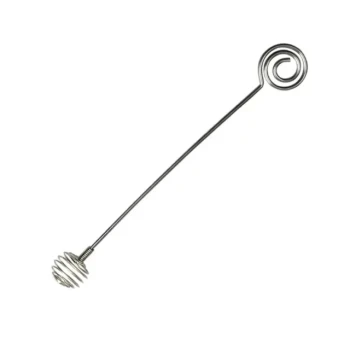
- Modern Stainless Steel Honey Dipper Stirrer
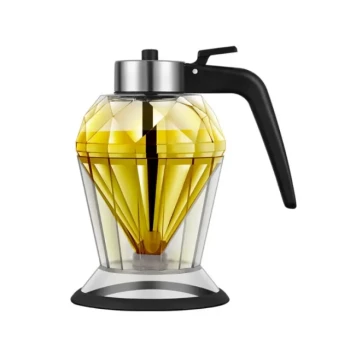
- Premium Diamond-Faceted Glass Honey Dispenser
- Professional Plastic Honey Dipper for Easy Honey Drizzling
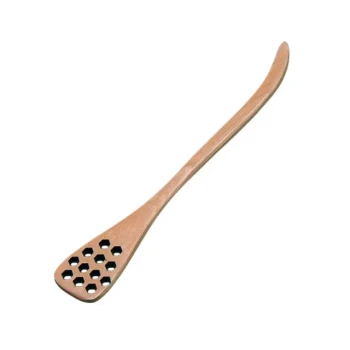
- Modern Honeycomb Pattern Wooden Honey Dipper for Stirring and Drizzling
- High Quality Honey Dehumidifier Dryer Thickening Machine for Beekeeping
People Also Ask
- What is a honey dipper? Master the Art of the Perfect Drizzle with This Essential Tool
- How do you clean and store a honey dipper? Simple Steps for Long-Lasting Performance
- What is a honey taking spoon called? Discover the Tool for a Perfect, Mess-Free Drizzle
- What is a honey dipper and what is it used for? A Guide to Mess-Free Drizzling
- What is the proper method for cleaning a honey dipper? Maintain Pure Flavor with These Easy Pro Tips