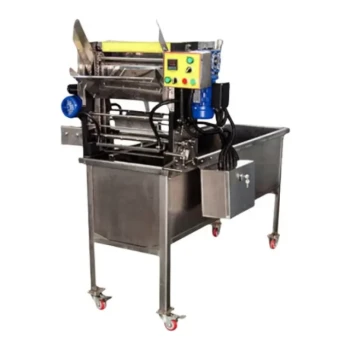
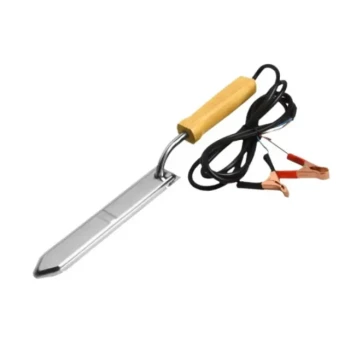
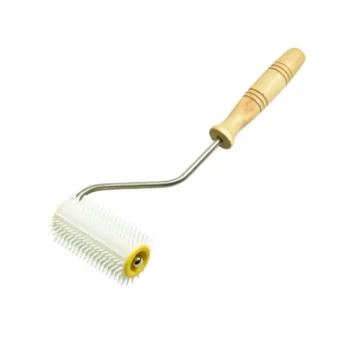
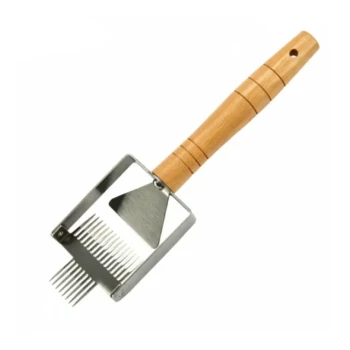
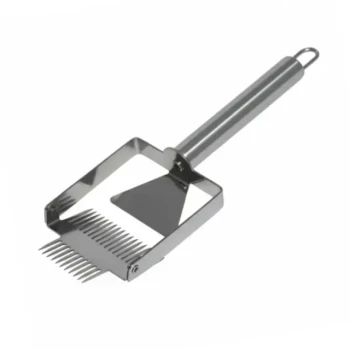
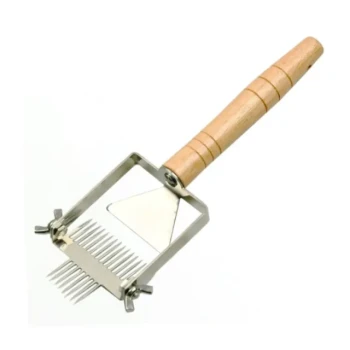
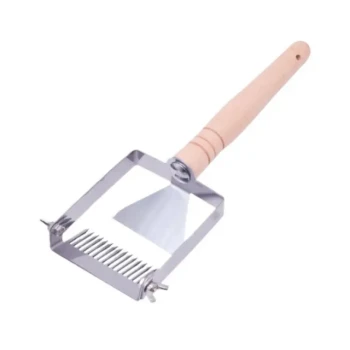
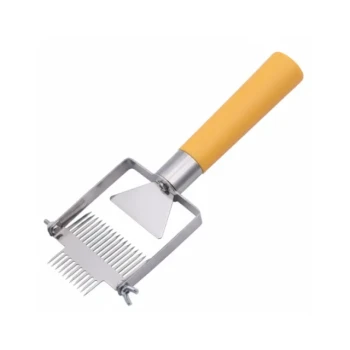
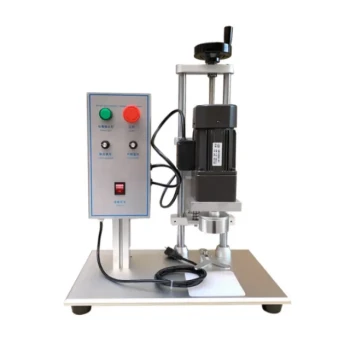
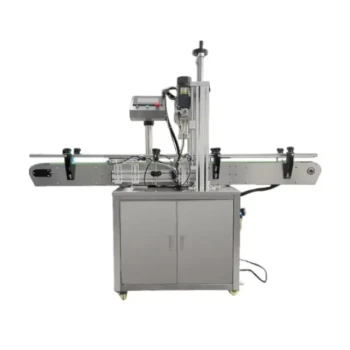
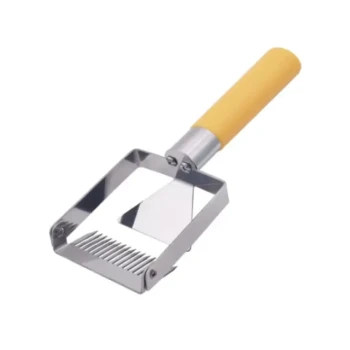
The primary function of automatic uncapping equipment is to mechanically remove the beeswax seals (cappings) that cover honeycomb cells, serving as a critical preparatory step before honey extraction. This machinery utilizes precise cutting mechanisms to rapidly slice away the wax layer, creating the necessary open channels for honey to flow out during the subsequent centrifugal separation process.
Core Takeaway Automatic uncapping transforms a labor-intensive manual task into a high-speed mechanical process. It maximizes production efficiency by rapidly exposing honey cells while preserving the structural integrity of the comb for future reuse.
The Role of Uncapping in the Workflow
Removing the Physical Barrier
Honeybees seal filled cells with a thin layer of wax to preserve the moisture content of the honey. Before honey can be harvested, this seal must be physically removed.
Preparation for Centrifugal Extraction
Uncapping is the absolute prerequisite for the extraction phase. Whether using a simple strainer or a centrifugal extractor, the honey cannot leave the comb until these wax caps are compromised or removed.
Mechanizing the Process
While uncapping can be done manually using forks or warm knives, automatic equipment integrates this step into a continuous workflow. It acts as the gateway to the "wet" side of honey processing, feeding directly into the extractors.
Why Automation is Critical for Efficiency
Enhancing Speed and Throughput
The primary reference highlights that automatic equipment cuts wax cappings "precisely and rapidly." In a commercial setting, this speed is essential to keep up with the capacity of large radial extractors, preventing a bottleneck in the production line.
Reducing Labor Costs
Manual uncapping is slow, physically demanding, and requires significant man-hours. Automatic equipment drastically reduces the reliance on manual labor, directly lowering the operational costs associated with processing large volumes of honey.
Preserving Comb Integrity
A crucial function of this equipment is to remove the wax seal without destroying the honeycomb structure beneath it. By maintaining the integrity of the comb, apiarists can return the empty frames to the hive, allowing bees to refill them immediately rather than expending energy rebuilding the wax.
Operational Considerations
Precision vs. Damage
While the goal is to remove the cap, the equipment must be calibrated to avoid cutting too deeply. The machinery is designed to shave off the seal while leaving the cell walls intact, a balance that is harder to achieve consistently with manual hand tools.
The Necessity of "Opening"
It is important to note that uncapping is not about emptying the cell, but simply opening it. The actual removal of the honey occurs later via centrifugal force. Therefore, the uncapper's performance is measured by how cleanly it exposes the honey, not by how much honey it collects itself.
Making the Right Choice for Your Goal
When evaluating uncapping equipment for your specific context, consider the following principles:
- If your primary focus is commercial scalability: Prioritize equipment that offers high-speed throughput to reduce manual labor costs and prevent bottlenecks before extraction.
- If your primary focus is hive health and sustainability: Ensure the machinery is capable of high-precision cutting to maintain the integrity of the drawn comb, reducing the workload for your bees in the next season.
Automatic uncapping is the definitive solution for bridging the gap between the beehive and the bottling line, ensuring speed, consistency, and structural preservation.
Summary Table:
| Feature | Manual Uncapping | Automatic Uncapping Equipment |
|---|---|---|
| Processing Speed | Slow / Labor-intensive | High-speed / Continuous |
| Precision | Variable / Human error | High-precision mechanical cutting |
| Labor Requirement | High (multiple operators) | Minimal (single supervisor) |
| Comb Preservation | Inconsistent | Optimized for frame reuse |
| Scalability | Limited | Ideal for large-scale operations |
Scale Your Honey Production with HONESTBEE
Are you ready to eliminate production bottlenecks and maximize your apiary's output? HONESTBEE specializes in empowering commercial apiaries and distributors with professional-grade honey post-processing solutions.
Our comprehensive range includes high-precision automatic uncapping machines, heavy-duty honey extractors, and specialized honey-filling equipment designed for durability and efficiency. Whether you are expanding your commercial operation or sourcing the latest beekeeping machinery for distribution, we provide the specialized hardware and industry consumables you need to succeed.
Unlock higher yields today. Contact our expert team at HONESTBEE to discuss how our wholesale equipment solutions can transform your workflow and deliver long-term value to your business.
References
- Marc Benoît, Gilles Grosmond. Analysis of the greenhouse gas emissions and energy consumption in beekeeping: what are the sensitivity factors?. DOI: 10.3389/fanim.2025.1524343
This article is also based on technical information from HonestBee Knowledge Base .
Related Products
- Automatic Honey Frame Uncapper Machine for Beekeeping
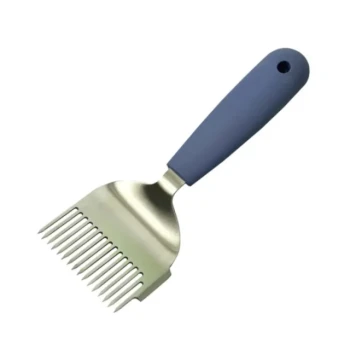
- Professional Multi-Function Uncapping Fork with Integrated Blade for Beekeeping
- Professional Multi-Function Uncapping Fork with Ergonomic Rubber Grip
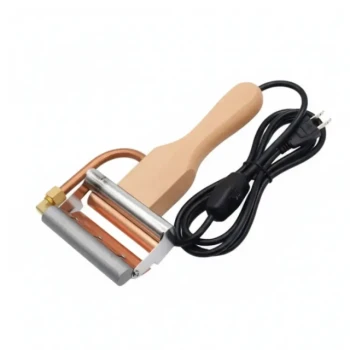
- Electric Adjustable Blade Honey Uncapping Plane
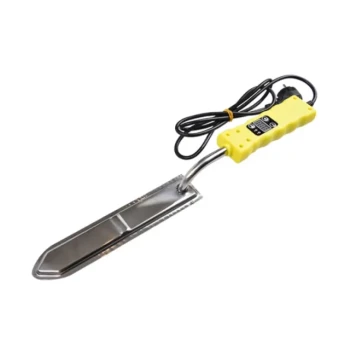
- Professional Electric Honey Uncapping Knife with Heated Digital Temperature Control for Beekeeping
People Also Ask
- What is the primary goal when choosing an uncapping method? Maximize Honey Yield & Comb Integrity
- What is the process of uncapping frames in beekeeping? Master the Best Methods for Maximum Honey Yield
- How are honey frames prepared before extraction? Master the Hive-to-Honey-House Process
- What is the process of uncapping honey frames before extraction? Expert Guide to Efficient Honey Harvesting
- What specialized tools are used to uncap honey frames prior to extraction? Top Uncapping Tools for Efficient Harvesting