The primary visual indicator determining if a honey frame is suitable for extraction is the extent of the wax capping. To ensure the honey is ripe and shelf-stable, you should select frames where at least 75% of the surface area is sealed with wax cappings. This visual threshold confirms that the bees have dehydrated the nectar to a moisture level safe for harvesting.
While a fully capped frame is the biological standard for "finished" honey, the 75% capping rule provides a practical baseline for beekeepers to ensure low moisture content and prevent fermentation after extraction.
The Significance of Wax Capping
The Biological Indicator of Ripeness
Bees do not cap honey cells arbitrarily. They seal the comb only when the nectar has been chemically transformed and physically dehydrated to the appropriate viscosity.
Managing Moisture Content
The wax cap acts as a hermetic seal. It indicates that the moisture content of the honey inside has been lowered to a point where yeast cannot easily reproduce.
The 75% Threshold
According to industry standards, a frame does not need to be 100% sealed to be harvestable. A frame that is 75% capped usually contains enough low-moisture honey to offset the slightly higher moisture content of the uncapped nectar cells.
Evaluating Frame Readiness
Visual Inspection
Before moving frames to the 'honey house' or extraction area, inspect each side of the frame. You are looking for a solid sheet of wax covering the majority of the comb face.
Consistency Across the Hive
While individual frames vary, the 75% rule helps average out moisture levels across a batch. By adhering to this visual standard, the aggregate honey extracted will likely remain stable in storage.
The Role of Uncapped Nectar
The remaining 25% of uncapped cells may still be ripening. However, if the vast majority of the frame is capped, the overall mixture will typically fall within safe humidity limits.
Understanding the Trade-offs
The Risk of Premature Harvesting
Harvesting frames with significantly less than 75% capping introduces a high risk of fermentation.
If too much "green" (uncapped) honey is extracted, the overall water content may rise above stable levels. This allows natural yeasts to ferment the sugars, spoiling the harvest and creating sour honey.
Waiting for 100% Capping
Waiting for every single cell to be capped is often unnecessary and can delay your operations.
While 100% capping guarantees the lowest possible moisture, the 75% guideline balances quality assurance with operational efficiency. It allows you to harvest while the weather is appropriate and before the bees consume the stores.
Making the Right Choice for Your Goal
When you are sorting frames in the apiary, apply the following standards based on your specific objectives:
- If your primary focus is Maximum Shelf Stability: Only harvest frames that are 90-100% capped to ensure the lowest possible moisture content and zero risk of fermentation.
- If your primary focus is Operational Efficiency: Proceed with extraction for any frame meeting the 75% capping threshold, as the overall moisture level will be safe for standard storage.
Adhering to the 75% capping rule is the most reliable way to balance harvest volume with the chemical stability required for high-quality honey.
Summary Table:
| Visual Criteria | Capping Percentage | Suitability for Extraction | Impact on Honey Quality |
|---|---|---|---|
| Biological Ripeness | 90-100% | Ideal / Maximum Stability | Lowest moisture; zero fermentation risk. |
| Industry Standard | 75% - 89% | Recommended / Efficient | Balanced moisture; safe for shelf storage. |
| Under-ripe ("Green") | < 75% | High Risk / Not Recommended | High moisture content; likely to ferment. |
| Uncapped Cells | 0-25% (per frame) | Acceptable if minimal | Minimal impact when mixed with capped honey. |
Elevate Your Commercial Apiary with HONESTBEE
At HONESTBEE, we understand that harvesting high-quality, shelf-stable honey requires more than just knowing when to extract—it requires the right tools for the job. We specialize in serving commercial apiaries and distributors with a comprehensive wholesale portfolio designed for scale and efficiency.
Why partner with HONESTBEE?
- Industrial Machinery: From high-capacity honey-filling machines to precision hive-making equipment, we provide the hardware you need to grow.
- Quality Tools & Consumables: We supply a full spectrum of beekeeping tools and essential industry consumables to keep your operations running smoothly.
- Cultural Merchandise: Expand your brand with our wide array of honey-themed cultural merchandise.
Ensure your harvest meets the highest standards with professional-grade equipment. Contact us today to discuss your wholesale needs and see how we can optimize your honey production line.
Related Products
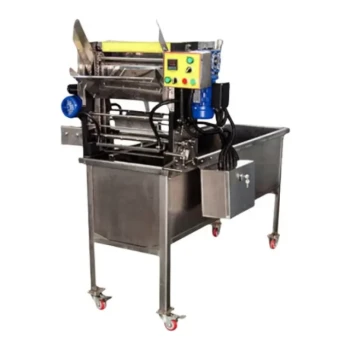
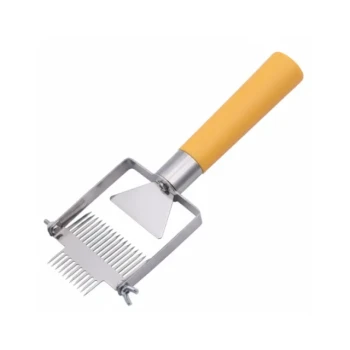
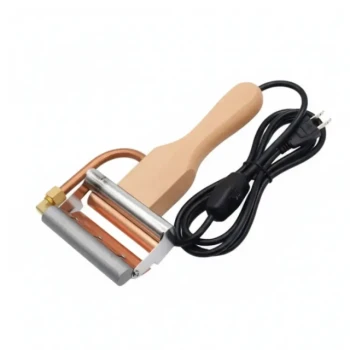
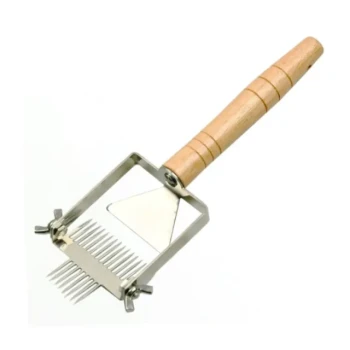
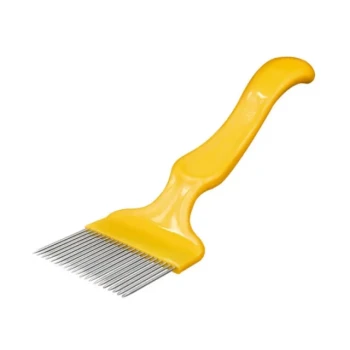
- Automatic Honey Frame Uncapper Machine for Beekeeping
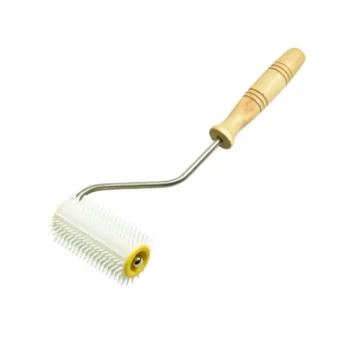
- Professional Honey Uncapping Roller for Efficient Harvesting
- Lightweight Plastic Uncapping Roller with Tines
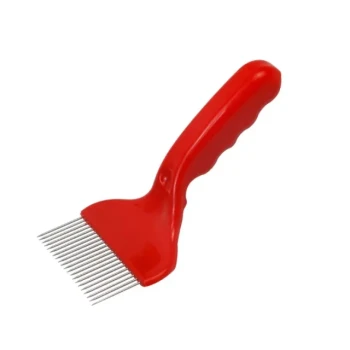
- Professional Wide Head Honey Uncapping Fork for Beekeeping
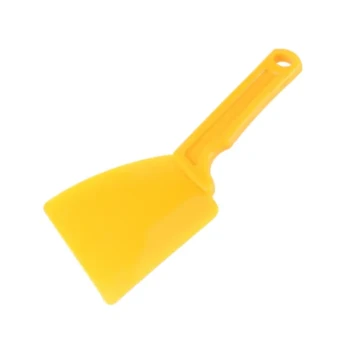
- Professional Honey Scraper for Efficient Apiary Maintenance
People Also Ask
- What is the primary goal when choosing an uncapping method? Maximize Honey Yield & Comb Integrity
- What is the process of uncapping frames in beekeeping? Master the Best Methods for Maximum Honey Yield
- How are honey frames prepared before extraction? Master the Hive-to-Honey-House Process
- What is the process of uncapping honey frames before extraction? Expert Guide to Efficient Honey Harvesting
- What specialized tools are used to uncap honey frames prior to extraction? Top Uncapping Tools for Efficient Harvesting