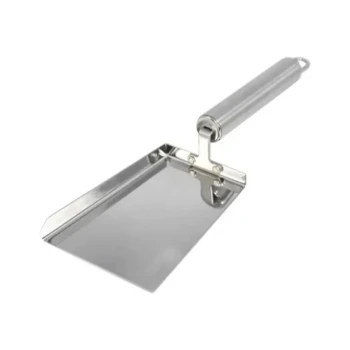
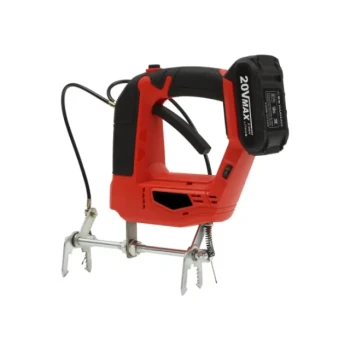
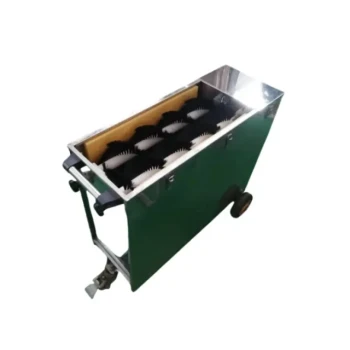
The primary function of controlled drying equipment is to reduce the moisture content of freshly collected bee pollen from 25–35% to a stable range of 10–12%. This precise dehydration process is the critical foundation for stabilizing the raw material, extending its shelf life, and ensuring it meets industrial standards for commercial distribution.
Controlled drying transforms highly perishable fresh pollen into a stable, high-value commodity by inhibiting microbial spoilage while preserving the delicate bioactive compounds required by global B2B markets.
Ensuring Product Stability and Marketability
Transitioning from Harvest to Industrial Storage
Freshly harvested bee pollen contains high moisture levels that lead to rapid fermentation and decay. Controlled drying equipment utilizes a stable flow of warm air to remove excess moisture within 1 to 2 days of collection.
Reducing the moisture to 10–12% is the industry standard for preventing spoilage. This stabilization allows distributors and wholesalers to manage inventory over long periods without risking product loss.
Inhibiting Microbial Proliferation
Moisture levels above 20% create an ideal environment for the growth of pathogenic fungi and bacteria. By rapidly lowering moisture, the equipment inhibits the fermentation of fungi like Fusarium.
This process is vital for preventing the accumulation of dangerous mycotoxins, such as zearalenone and deoxynivalenol (vomitoxin). For B2B resellers, this ensures the raw material remains safe for human consumption and meets stringent regulatory safety requirements.
Protecting the Nutritional Integrity of the Asset
Precision Temperature Regulation
Bee pollen is rich in heat-sensitive enzymes, vitamins, and proteins that can degrade under improper conditions. High-precision drying equipment maintains a consistent thermal environment, typically between 40°C and 50°C.
This controlled range prevents the denaturation of proteins and the oxidative degradation of bioactive substances. For wholesalers, this means providing a product that retains its functional food status and premium market value.
Preservation of Bioactive Compounds
Beyond moisture removal, the equipment is designed to minimize the loss of free sulfhydryl groups, such as active amino acids. It specifically protects stable Vitamin B complexes that are often destroyed by erratic heat sources.
Maintaining this chemical stability ensures that the final product delivered to the end-consumer remains nutritionally potent. Our professional expertise ensures that every batch maintains the highest biological value through standardized dehydration.
Understanding the Trade-offs and Constraints
Balancing Speed and Heat Sensitivity
While rapid drying is essential to prevent mold, excessive heat can lead to "case hardening" or nutrient destruction. Achieving the perfect balance requires industrial-grade convective drying that provides a uniform thermal field.
Lowering temperatures to protect enzymes will increase drying time, which can impact throughput in high-volume operations. Partnering with a supplier that offers full-spectrum sourcing allows you to access equipment or products optimized for either maximum nutrient retention or high-speed fulfillment.
Economic Efficiency vs. Precision
Convective drying is often the core choice for agricultural processing due to its relatively low equipment cost and operational efficiency. However, it requires rigorous monitoring to avoid fluctuations that could damage the pollen.
Distributors must weigh the lower cost of standard convective methods against the superior preservation offered by more advanced, higher-investment systems. Relying on an expert trading partner ensures you receive products processed with the optimal balance of efficiency and quality.
Making the Right Choice for Your Goal
As a distributor or wholesaler, your processing or sourcing strategy should align with your specific market requirements and delivery timelines.
- If your primary focus is Maximum Nutritional Potency: Prioritize equipment or suppliers that utilize high-precision, low-temperature drying to preserve heat-sensitive enzymes and Vitamin B complexes.
- If your primary focus is Rapid Order Fulfillment: Focus on high-efficiency convective drying systems that can process large volumes of fresh pollen within the critical 48-hour post-harvest window.
- If your primary focus is Regulatory Safety and Risk Management: Ensure your sourcing partners utilize standardized dehydration protocols specifically designed to inhibit mycotoxin accumulation and microbial growth.
By leveraging professional drying technology and deep industry expertise, you can ensure a consistent supply of premium, stable bee pollen ready for global distribution.
Summary Table:
| Feature | Target Specification | Industrial Impact |
|---|---|---|
| Moisture Content | Reduce from 35% to 10-12% | Prevents fermentation, decay, and spoilage |
| Temperature Control | Stable 40°C – 50°C | Preserves heat-sensitive enzymes and vitamins |
| Microbial Safety | Inhibition of Fusarium/Fungi | Prevents mycotoxins like zearalenone |
| Processing Window | Within 24–48 hours post-harvest | Ensures product stability for global distribution |
Optimize Your Supply Chain with HONESTBEE Professional Solutions
Looking to elevate your apiary business or distribution network? HONESTBEE is your dedicated partner for high-volume beekeeping success. We provide commercial apiaries and B2B resellers with a comprehensive, one-stop sourcing experience designed for efficiency and growth.
- Full-Spectrum Product Portfolio: From specialized hive-making and honey-filling machinery to high-quality beekeeping tools and industry consumables.
- Unmatched Service for Distributors: Benefit from our deep professional expertise, rapid response times, and exceptional customer support.
- Global Fulfillment Excellence: We ensure ultra-fast delivery and efficient order fulfillment to keep your inventory moving.
Ready to enhance your profit margins with premium equipment and reliable supply?
References
- И А Прохода, Nadezhda Peshkova. Prospects for processing bee bread as a natural adaptogen. DOI: 10.1051/bioconf/202516002014
This article is also based on technical information from HonestBee Knowledge Base .
Related Products
- Stainless Steel Pollen Shovel with Wooden Handle
- Heavy-Duty Ergonomic Grip Galvanized Pollen Shovel
- Heavy-Duty Ergonomic Stainless Steel Pollen Shovel
- High Quality Honey Dehumidifier Dryer Thickening Machine for Beekeeping
- 30 cm Plastic Entrance Hole Bee Pollen Trap and Collector
People Also Ask
- How do bee pollen collection tools affect the quality of bee pollen used in functional dairy ice cream production?
- Why should commercial apiaries focus on the collection of diversified bee products? Maximize Your Hive’s Profit Potential
- How does a specialized pollen collector facilitate the harvesting of diverse bee products? Automate High-Value Yields
- What is the impact of pollen collectors and associated equipment on the cost structure of pollen production? Maximize ROI
- What is the technical significance of using specialized cutting tools for propolis? Master Precision Pollen Harvesting