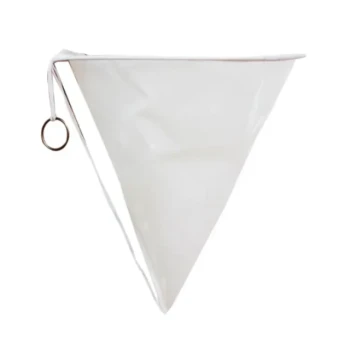
The primary function of multi-layer filtration systems is to systematically remove wax debris, bee fragments, and fine impurities to achieve commercial-grade clarity. This process uses progressive physical barriers to ensure the honey meets rigorous purity standards without compromising its natural enzyme and mineral content. For distributors and wholesalers, this technology is the foundation for delivering a transparent, standardized product that meets the aesthetic and quality expectations of the global market.
Multi-layer filtration transforms raw honey into a stable, market-ready asset by ensuring visual transparency and preventing premature crystallization. This process is essential for providing a homogenized base that facilitates high-speed automated bottling and reliable supply chain performance.
Achieving Premium Market Standards
Progressive Removal of Mechanical Impurities
Multi-layer systems use filters of varying pore sizes to capture everything from large wax fragments to microscopic bee remains. By employing a step-by-step approach, the system prevents clogging and ensures a thorough cleaning of the raw material. This systematic removal of debris is the first step in moving from a raw agricultural product to a refined commercial good.
Enhancing Visual Clarity and Aesthetic Appeal
Transparency is a key indicator of quality for B2B buyers and end consumers in high-end retail markets. Multi-stage filtration significantly improves the sensory quality and brightness of the honey, ensuring it meets the "commercial grade" standards required for supermarket shelves. This clarity is often what distinguishes premium trading products from lower-tier alternatives.
Preserving Natural Nutritional Integrity
Despite the intensity of the filtration, high-precision systems are designed to protect the honey's natural enzymes and minerals. By accurately controlling the filtration pressure and temperature, processors can remove unwanted particles while retaining the biochemical markers that define high-quality honey. This balance is critical for distributors who prioritize "clean label" and nutritionally intact products.
Driving Operational Efficiency for Wholesalers
Preventing Premature Crystallization
Suspended particles like pollen and wax act as nucleation sites that trigger early crystallization in the jar. Multi-layer filtration removes these triggers, significantly extending the shelf-life stability of the product during transit and storage. For wholesalers, this reduces the risk of product returns and maintains the honey’s liquid state throughout the distribution cycle.
Enabling Automated Filling Consistency
A multi-stage system provides a homogenized material base that is essential for modern, high-speed bottling lines. Removing fine particles ensures that automated nozzles do not clog and that fill volumes remain consistent across thousands of units. This level of standardization is vital for achieving the rapid response times and efficient order fulfillment expected in professional trading.
Supporting Full-Spectrum Product Portfolios
Modern filtration equipment allows processors to adjust the "fineness" of the filter to meet specific market demands. This flexibility enables distributors to offer a comprehensive product portfolio, ranging from ultra-clear honey for retail to more minimally processed options for industrial use. This versatility is a hallmark of deep professional industry expertise.
Understanding the Trade-offs
Filtration Precision vs. Pollen Retention
A primary trade-off in the refining process is the tension between clarity and pollen content. While micro-filters create a brilliantly clear product, they may remove a significant portion of natural pollen, which some markets use for origin tracing. Distributors must decide whether visual perfection or "pollen-rich" labeling better serves their specific customer base.
Pressure Management and Thermal Impact
High-speed filtration often requires increased pressure, which can generate heat if not managed correctly. Excessive heat can damage the diastase activity and flavor profile of the honey. Professional-grade systems mitigate this by using larger surface areas in their multi-layer designs to maintain flow rates without needing destructive temperatures.
Making the Right Choice for Your Goal
Selecting the appropriate filtration standard is essential for aligning your product with your business strategy and customer expectations.
- If your primary focus is High-End Retail Markets: Prioritize multi-stage micro-filtration to ensure maximum transparency and the longest possible shelf-life against crystallization.
- If your primary focus is Industrial Food Manufacturing: Focus on macro-filtration systems that remove large debris efficiently while maintaining a high flow rate for bulk supply.
- If your primary focus is Health-Conscious or Specialty Niche Markets: Opt for precision-controlled filtration that targets wax and bee parts while intentionally leaving natural pollen counts intact.
Precision multi-layer filtration is the technical bridge between raw hive output and a standardized, high-performance product ready for global distribution.
Summary Table:
| Key Function | Impact on Honey Quality | Operational Benefit for Wholesalers |
|---|---|---|
| Impurity Removal | Eliminates wax, bee parts, and debris | Ensures a pure, commercial-grade product |
| Visual Refinement | Enhances transparency and brightness | Meets high-end retail aesthetic standards |
| Crystallization Control | Removes nucleation sites (pollen/wax) | Extends shelf-life during storage and transit |
| Flow Homogenization | Provides a consistent liquid base | Enables high-speed, clog-free automated filling |
Scale Your Honey Business with HONESTBEE
At HONESTBEE, we empower commercial apiaries and B2B distributors with one-stop sourcing for the entire beekeeping value chain. Whether you need high-precision honey-filling machines, specialized hive-making hardware, or a comprehensive array of beekeeping tools and consumables, our premium trading services are designed to maximize your operational efficiency.
Why Partner with HONESTBEE?
- Full-Spectrum Portfolio: Access everything from heavy machinery to honey-themed cultural merchandise.
- Industry Expertise: Benefit from our deep professional knowledge to select the right equipment for your market.
- Rapid Fulfillment: Experience ultra-fast delivery and dedicated customer service tailored to wholesaler needs.
- Profit-Driven Solutions: High-quality equipment designed to support OEM/ODM requirements and boost your margins.
Ready to enhance your production capabilities and supply chain reliability?
Contact HONESTBEE Today for Wholesale Pricing!
References
- Frisca Dewi Yunadi, Gadizza Muslimah. Pemberdayaan Masyarakat melalui Pengembangan Kelompok Ternak Lebah Madu untuk Penguatan Ekonomi Lokal Berbasis Produk Alam : Madu. DOI: 10.36312/tc54q653
This article is also based on technical information from HonestBee Knowledge Base .
Related Products
- Professional Stainless Steel Honey Filtering Machine with Water Bath Heating for Beekeeping
- Stainless Steel Double Layer Honey Strainer Sieve Filters
- Electric Double Wall Honey Filtering Machine Purifier Equipment for Honey Processing Plant
- Two-Stage Plastic Honey Filter for Buckets
- Professional Stainless Steel Honey Filter with Support Handle
People Also Ask
- Why is filtering honey an important step in honey processing? Ensure Purity, Clarity & Marketability
- Is it necessary to filter honey after extraction? A Guide to Straining vs. Raw Honey
- What is the best way to filter honey? A Guide to Quality, Clarity, and Raw Preservation
- Why do people filter honey? For Clarity, Stability, and Consumer Appeal
- What are the benefits of using honey filters? Achieve Purity, Efficiency, and Market Appeal