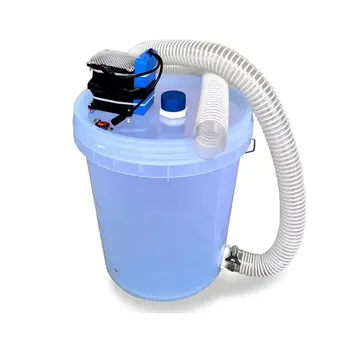
The primary purpose of a bee vacuum is the safe, non-lethal transfer of a bee colony from one location to another. Unlike a standard vacuum cleaner, this device is specifically engineered to capture bees from difficult locations—such as wall recesses or chimneys—without injuring the insects or endangering the operator.
A bee vacuum is a tool for preservation and relocation, never extermination. It is designed to move a colony efficiently while mitigating the risks associated with handling aggressive bees or accessing structural voids.
The Mechanics of Safe Capture
Low-Pressure Suction
The defining feature of a bee vacuum is its low-power design. Standard vacuum cleaners generate high suction that kills insects upon impact.
A bee vacuum utilizes gentle airflow to pull bees through a hose without force. This prevents physical trauma, ensuring the colony remains viable for relocation.
The Collection System
Instead of a dust bag, the vacuum directs bees into a specialized reception bin. This bin is often sized to match standard hive bodies, allowing for a seamless transfer once the capture is complete.
The system relies on three main components: the suction motor, the hose attachment, and the containment vessel.
Strategic Advantages in Beekeeping
Accessing Hard-to-Reach Areas
Swarms often settle in inconvenient places, such as inside chimneys, high tree branches, or tight structural recesses.
A bee vacuum allows a beekeeper to remove these colonies without dismantling the structure or climbing dangerously close to the swarm. The hose acts as an extension of the beekeeper's reach.
Minimizing Contact and Aggression
When removing an unwanted hive, bees can become defensive. A bee vacuum provides a method to collect bees quickly and consistently with minimal direct contact.
This efficiency protects the beekeeper from stings and reduces the stress placed on the colony during the removal process.
Understanding the Trade-offs
The Risk of Physical Injury
While designed for safety, improper pressure settings can still be lethal. If the suction is too powerful, bees may strike the container walls with enough force to break their wings or cause death.
Ventilation and Overheating
A critical failure point, particularly in DIY models, is inadequate ventilation in the catch bin. Bees generate significant heat when confined; without constant airflow, they can quickly overheat and die after the vacuum is turned off.
The Hazard of Liquid Honey
Using a vacuum on a hive containing open liquid honey poses a severe risk. The turbulence can coat the bees in honey, blocking their breathing holes (spiracles) and leading to a high mortality rate.
Making the Right Choice for Your Goal
Before utilizing a bee vacuum, assess your specific objectives to ensure the safety of the colony.
- If your primary focus is colony survival: rigorous testing of suction power is required to prevent wing damage, and you must ensure the catch bin has adequate ventilation to prevent overheating.
- If your primary focus is operational efficiency: choose a system where the housing container matches the size of your destination hive bodies to simplify the transfer process.
The bee vacuum is a bridge between a difficult extraction and a safe new home, provided it is used with precision and care.
Summary Table:
| Feature | Purpose | Impact on Bees |
|---|---|---|
| Low-Pressure Suction | Prevents high-speed impact | Ensures survival and physical integrity |
| Specialized Catch Bin | Temporary containment | Reduces stress; allows easy hive transfer |
| Ventilation System | Temperature regulation | Prevents overheating and suffocation |
| Long Reach Hose | Accessing voids/cavities | Minimizes structural damage and stings |
Elevate Your Beekeeping Business with HONESTBEE
At HONESTBEE, we specialize in supporting commercial apiaries and distributors with high-quality, professional-grade equipment. From specialized hive-making and honey-filling machinery to a complete range of beekeeping tools and essential consumables, our portfolio is designed to enhance your operational efficiency and profitability.
Whether you are expanding your wholesale inventory or upgrading your commercial extraction capabilities, our expert team is here to provide the hardware and support you need to succeed.
Ready to scale your beekeeping operations? Contact HONESTBEE today to explore our wholesale offerings and customized machinery solutions.
Related Products
- Portable Electric Bee Vacuum with Lithium Battery and 20L Collection Bucket
- Commercial Grade Vertical Electric Bee Sweeper for Bee Removal
- Double Row Artificial Fiber Bee Brush for Beekeeping
- Stainless Steel Round Beehive Air Vents for Ventilation
- High Performance Cordless Electric Bee Shaker for Beekeeping
People Also Ask
- What are the advantages of using portable bee vacuums for sampling honey bees? Optimize Nosema Detection Efficiency
- Who is qualified to use a bee vacuum? Essential Safety and Experience Requirements for Effective Bee Relocation
- What potential problems can occur when using a bee vacuum? Prevent Colony Mortality and Ensure Safe Bee Removal
- What are the benefits of using a bee vacuum? Safely Remove & Preserve Honey Bee Colonies
- Why do people use bee vacuums? A Humane Solution for Live Bee Removal