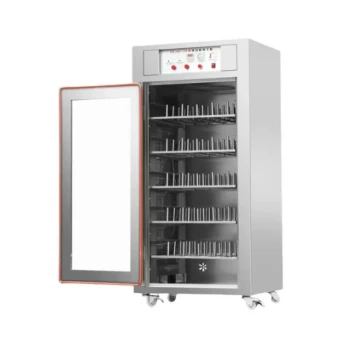
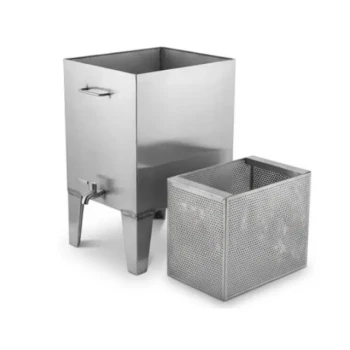
The primary purpose of using a constant temperature drying oven during raw material pretreatment is to reduce natural pollen moisture to a precise 10–12% range at a controlled temperature of 40°C. This specific thermal regulation preserves the physical integrity of the pollen granules while establishing a necessary, standardized baseline for the subsequent addition of moisture and lactic acid bacteria.
Core Takeaway Achieving high-quality artificial bee bread requires eliminating the variability found in raw natural pollen. The constant temperature oven acts as a standardization tool, stabilizing the raw material's moisture content to ensure consistent fermentation results without degrading heat-sensitive nutrients.
The Critical Role of Moisture Standardization
Establishing a Controlled Baseline
Raw pollen collected from nature has fluctuating moisture levels that make consistent processing impossible. The drying oven brings all raw materials to a uniform state of 10–12% residual moisture.
By stabilizing the pollen at this low moisture level, you create a known variable. This allows for the precise calculation of water needed to reach the target 26–29% moisture content required during the later fermentation stages.
Preserving Granule Integrity
The drying process must be gentle enough to dehydrate the pollen without destroying its physical structure.
Operating at 40°C ensures the pollen granules remain intact. If the structural integrity is compromised during pretreatment, the texture and quality of the final artificial bee bread will suffer.
Protecting Bioactive Components
While the primary goal is moisture removal, the "constant temperature" aspect is vital for nutrient retention.
Temperatures exceeding 40–42°C can degrade heat-sensitive compounds. By adhering to this thermal limit, the oven preserves essential bioactive components, including B-group vitamins, carotenoids, and enzymatic activities, which are crucial for the product's nutritional value.
Understanding the Trade-offs
The Efficiency vs. Quality Balance
There is an inherent conflict between the speed of production and the preservation of quality.
Increasing the temperature beyond 40°C would accelerate the drying process, reducing the time required to reach 10–12% moisture. However, this efficiency comes at the direct cost of nutritional density, specifically risking the destruction of antioxidants and proteins.
The Energy Cost of Standardization
A common critique of this process is the energy expenditure required to dry pollen only to rehydrate it later.
This "dry-then-wet" approach consumes significant energy compared to using raw pollen directly. However, skipping this step sacrifices control, as utilizing raw pollen with unknown moisture levels leads to unpredictable fermentation and potential spoilage.
Making the Right Choice for Your Goal
To optimize your production line, you must align your oven settings with your specific quality targets.
- If your primary focus is Nutritional Potency: Prioritize lower temperatures (35°C–40°C) and longer drying times to maximize the retention of enzymes and B-group vitamins.
- If your primary focus is Process Consistency: strictly enforce the 10–12% moisture exit criteria to ensure your subsequent rehydration calculations for the bacterial culture phase are mathematically perfect.
Precision in the pretreatment phase is the single most important factor in determining the predictability of your final fermentation.
Summary Table:
| Process Parameter | Target Value | Purpose/Benefit |
|---|---|---|
| Drying Temperature | 40°C (104°F) | Protects heat-sensitive vitamins and enzymes |
| Target Moisture Content | 10–12% | Establishes a controlled baseline for rehydration |
| Structural Goal | Granule Integrity | Preserves texture for the final product |
| Fermentation Prep | Standardization | Ensures predictable lactic acid bacteria activity |
Elevate Your Apiary Production with HONESTBEE
Precision is the foundation of high-quality bee bread. At HONESTBEE, we specialize in empowering commercial apiaries and distributors with the professional-grade tools needed to master every stage of production. From constant temperature drying ovens and honey-filling machines to specialized hive-making equipment, we provide the comprehensive wholesale solutions your business requires.
Our extensive portfolio of beekeeping machinery and essential industry consumables is designed to maximize your efficiency while preserving the nutritional potency of your products. Partner with us to access cutting-edge hardware and honey-themed cultural merchandise that sets your brand apart in a competitive market.
Ready to optimize your production line? Contact our expert team today to discuss how our wholesale equipment can scale your operations.
References
- G Madzgarashvili. Making Bee Bread from Pollen Without a Bee Colony. DOI: 10.26717/bjstr.2022.42.006733
This article is also based on technical information from HonestBee Knowledge Base .
Related Products
- HONESTBEE Professional Cabinet Bottle Dryer
- Solar Beeswax Melter Easy Solar Wax Melter for Beeswax
- Professional Thermostatic Conical Honey Melter
- Automatic Continuous Heat Sealing Machine
- Economy Small Scale Honey Dryer Dehumidifier Thickening Machine
People Also Ask
- Why use a Cabinet Drier for pollen at 38–41°С? Protect Sample Integrity and Heavy Metal Data Accuracy
- What is the role of an industrial forced-air drying oven in bee bread fermentation? Optimize Moisture and Nutrients
- How do forced circulation drying ovens sterilize beekeeping tools? Efficient Oxidation for Metal Equipment Safety
- What are the technical requirements for using a constant temperature drying oven for raw propolis? Expert Guide
- How do professional-grade Pollen Drying Ovens preserve active ingredients? Ensure Bioactive Potency with Precision