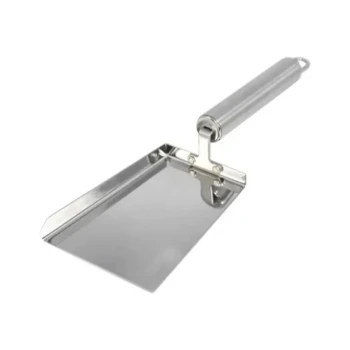
SUS 304 stainless steel is the preferred material for bee pollen drying machinery because it is critical for maintaining strict food safety and hygiene standards. Since bee pollen is a heat-sensitive product intended for direct consumption, the equipment must use materials like SUS 304 that offer superior corrosion resistance and ease of cleaning to prevent contamination.
Bee pollen processing requires a sterile environment to ensure the product remains safe for human consumption. SUS 304 is utilized because it prevents rust formation in moist drying conditions, ensuring no physical contaminants enter the food stream.
The Intersection of Hygiene and Material Science
Ensuring Food Safety
Bee pollen is a raw product intended for direct consumption. This classification mandates the use of materials that will not leach chemicals or corrode into the food. SUS 304 is chemically stable, preventing the introduction of physical contaminants that lower-grade metals might produce.
Superior Corrosion Resistance
The drying process inherently involves moisture removal. In the moist environment of dynamic drying, standard metals are prone to rapid oxidation (rust). SUS 304 is specifically formulated to resist this oxidation, ensuring the trays and chamber walls remain pristine over time.
Simplified Sanitation
To meet hygiene standards, food processing equipment must be cleaned frequently and thoroughly. The surface properties of SUS 304 allow for easy removal of residue. This prevents bacterial buildup and ensures the equipment is ready for subsequent batches without cross-contamination.
Protecting the Product Integrity
Preventing Physical Contaminants
The primary risk in drying machinery is the degradation of the drying surface. If a tray rusts, iron oxide particles can mix with the pollen. SUS 304 eliminates this risk, guaranteeing the purity of the final product.
Handling Heat Sensitivity
Bee pollen is highly sensitive to heat and environmental changes. The drying equipment must provide a stable environment without reacting to the thermal conditions. SUS 304 maintains its structural and chemical integrity even under the thermal stress required to dry the pollen efficiently.
Understanding the Trade-offs
Initial Cost vs. Long-Term Value
The primary "downside" to SUS 304 compared to carbon steel or lower-grade stainless variants (like 201) is the higher raw material cost. Manufacturers typically pass this cost on to the buyer.
Weight Considerations
SUS 304 is a dense, durable material. Machinery constructed entirely from this grade of steel may be heavier than units using plastic composites or lighter metals, potentially affecting portability.
Making the Right Choice for Your Goal
When selecting bee pollen drying equipment, the material choice dictates the longevity of the machine and the safety of your product.
- If your primary focus is Food Safety Compliance: Prioritize SUS 304 to meet hygiene regulations and ensure the product is safe for direct consumption.
- If your primary focus is Equipment Longevity: Choose SUS 304 to prevent rust and corrosion caused by the moisture inherent in the drying process.
Investing in high-grade materials like SUS 304 is the only way to guarantee a pure, contaminant-free product that meets professional market standards.
Summary Table:
| Feature | Benefit of SUS 304 Stainless Steel | Impact on Bee Pollen Processing |
|---|---|---|
| Food Safety | Non-leaching & Chemically Stable | Prevents chemical/physical contamination of raw pollen. |
| Corrosion Resistance | High resistance to oxidation/rust | Ensures equipment longevity in high-moisture drying environments. |
| Sanitation | Smooth, non-porous surface | Allows for easy cleaning and prevents bacterial buildup. |
| Durability | High structural integrity under heat | Maintains machine shape and performance during thermal cycles. |
| Purity Control | Eliminates iron oxide risk | Guarantees a 100% pure, professional-grade final product. |
Elevate Your Bee Pollen Production with HONESTBEE
At HONESTBEE, we understand that purity is paramount for commercial apiaries and distributors. Our premium bee pollen drying machinery is engineered with high-grade SUS 304 stainless steel to guarantee food safety compliance and long-term durability.
Whether you are scaling your operations or supplying the industry, we provide a full spectrum of beekeeping tools, from specialized honey-filling machines to industrial-grade drying equipment. Partner with us to secure the highest quality for your customers.
Contact HONESTBEE Today for Wholesale Solutions
References
- Nguyen Hay, Vo Tan Phuong. Novel Solution for High Efficiency Bee Pollen Heat Pump Dryer. DOI: 10.31080/asmi.2020.03.0687
This article is also based on technical information from HonestBee Knowledge Base .
Related Products
- High Quality Honey Dehumidifier Dryer Thickening Machine for Beekeeping
- Heavy-Duty Ergonomic Grip Galvanized Pollen Shovel
- Electric Flatting and Embossing Machine with Tray for Beekeeping
- High Performance Cordless Electric Bee Shaker for Beekeeping
- Heavy-Duty Ergonomic Stainless Steel Pollen Shovel
People Also Ask
- Can you dehumidify honey? A Beekeeper's Guide to Preventing Fermentation
- How to dry up honey? The Safe Guide to Stabilizing Honey and Preventing Fermentation
- How can the moisture content of honey be reduced? A Guide to Safe, Effective Drying Methods
- How to remove humidity from honey? Protect Your Harvest from Fermentation
- How to decrease moisture in honey? Prevent Fermentation and Ensure Long-Term Quality