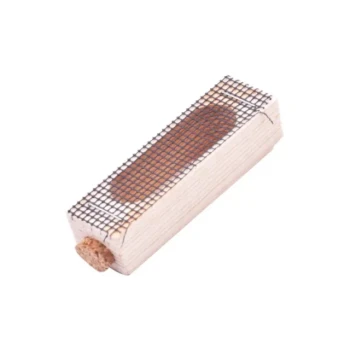
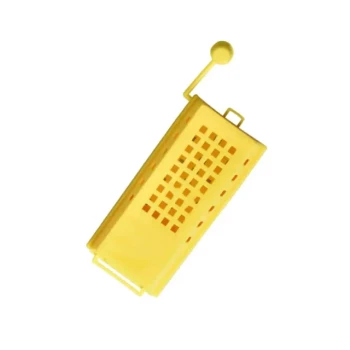
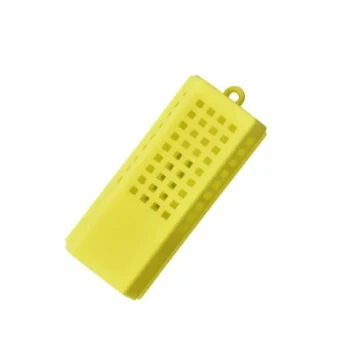
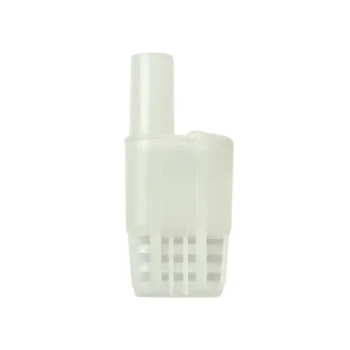
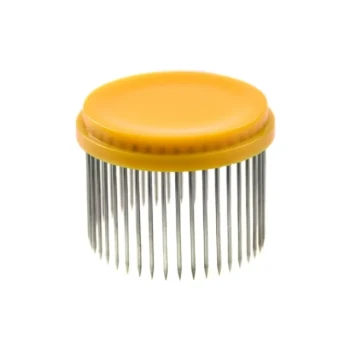
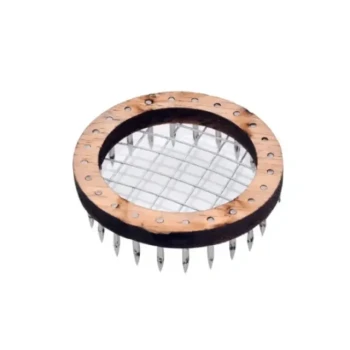
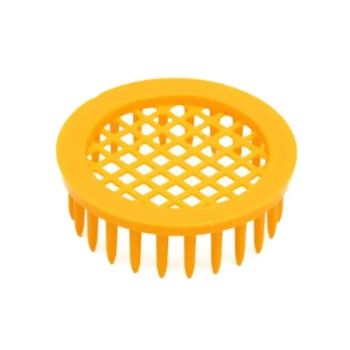
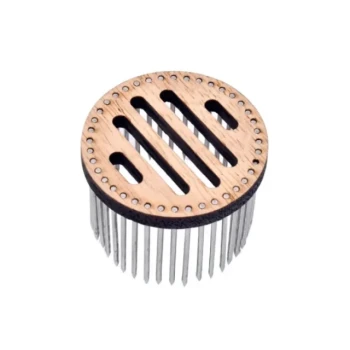
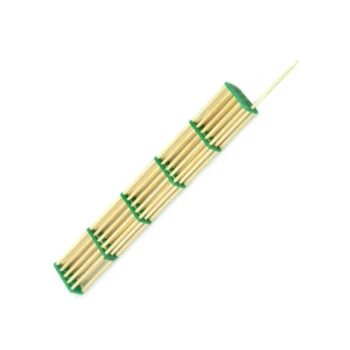
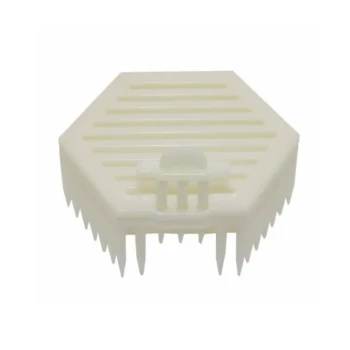
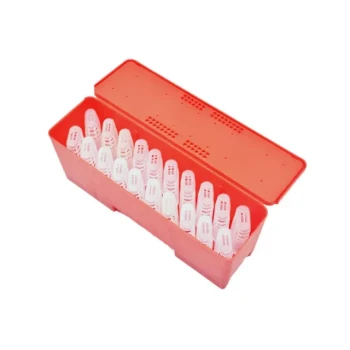
The primary purpose of using a queen cage in the Doolittle method is to strictly control the mother queen's egg-laying cycle prior to the grafting process. By confining the queen to a specific area or preventing her from laying for approximately six days, the beekeeper synchronizes larval development. This ensures that when the confinement ends, there is a flush of larvae of a uniform age (less than 24 hours old), which is the critical window for successful grafting.
The queen cage acts as a biological timing mechanism. By manipulating the queen's access to comb, you convert the colony's natural, staggered brood production into a synchronized "batch" process, guaranteeing an abundance of ideal candidates for grafting exactly when required.
The Strategy of Confinement
Controlling the Timeline
In a natural setting, a queen lays eggs continuously, creating a brood pattern with larvae of mixed ages scattered across the frames.
By caging the queen, you artificially halt or restrict this process.
This allows the beekeeper to dictate exactly when the next generation of eggs will be laid.
Ensuring Uniform Larval Age
The success of artificial queen rearing hinges on the age of the larvae used.
The Doolittle method requires larvae that are less than 24 hours old.
Confining the queen ensures that once she is released (or provided comb), she lays a dense patch of eggs simultaneously, resulting in a batch of larvae that all hatch within the same ideal timeframe.
Increasing Grafting Success
Scouting for hundreds of microscopic, suitable larvae in a standard colony is time-consuming and error-prone.
Using a cage to synchronize laying essentially creates a "nursery frame" packed with eligible larvae.
This dramatically improves the speed of transfer and the acceptance rate by nurse bees.
Why "Less Than 24 Hours" Matters
Quality of the Queen
The age of the grafted larva directly dictates the quality of the resulting queen.
Larvae older than 24 hours have already begun consuming a worker-diet worker jelly rather than pure royal jelly.
Grafting these older larvae results in "intercaste" queens with lower reproductive potential and shorter lifespans.
Simulation of Natural Supersedure
The goal of the Doolittle method is to trick the bees into raising queens.
Using the youngest possible larvae mimics the natural conditions of emergency queen rearing or supersedure.
This prompts the nurse bees to flood the artificial Queen Cups with royal jelly immediately, maximizing the development of the reproductive organs.
Understanding the Trade-offs
Colony Disruption
Confinement stops the production of worker bees for the duration of the caging.
In a honey-production colony, this break in brood rearing could slightly impact the population force later in the season.
Equipment Confusion
It is vital to distinguish between the confinement cage and other cages mentioned in queen rearing, such as the Miller cage.
While the confinement cage manages the mother queen before grafting, Miller cages are used after the cells are capped to protect the virgin queens as they emerge.
Confusing these tools can lead to process failures, such as virgin queens killing their rivals or the mother queen being rejected.
Making the Right Choice for Your Goal
## Applying the Confinement Technique
- If your primary focus is Maximum Queen Quality: Strictly adhere to the confinement schedule to guarantee you never graft a larva older than 24 hours, ensuring pure royal jelly nutrition.
- If your primary focus is Workflow Efficiency: Use the cage to synchronize the hatch, minimizing the time spent searching for larvae and allowing you to fill multiple frames of Queen Cups in a single session.
Control the queen, and you control the quality of the apiary's future.
Summary Table:
| Feature | Purpose in Doolittle Method | Benefit for Beekeeper |
|---|---|---|
| Timing Control | Strictly manages the queen's egg-laying cycle | Synchronizes larval age for precise grafting |
| Larval Age | Ensures larvae are < 24 hours old | Guarantees maximum reproductive potential |
| Nursery Frame | Concentrates larvae in a specific comb area | Increases grafting speed and efficiency |
| Nutrition Focus | Mimics natural supersedure conditions | Promotes immediate flooding with royal jelly |
Maximize Your Apiary’s Potential with HONESTBEE
Precision in queen rearing is the foundation of a thriving commercial apiary. HONESTBEE empowers commercial beekeepers and distributors with the professional-grade tools needed to master methods like the Doolittle technique. From specialized queen cages and queen cups to industrial honey-filling machines and hive-making equipment, we provide the full spectrum of hardware and consumables your business requires.
Partner with us to streamline your workflow and ensure the highest quality for your future colonies. Contact us today to explore our wholesale solutions and see how our expertise can drive your success.
References
- Anjali JS, Pratheesh P. Gopinath. Evaluation of first-generation Indian bee, Apis cerana indica colonies raised from breeder colonies by grafting method. DOI: 10.22271/j.ento.2023.v11.i6a.9260
This article is also based on technical information from HonestBee Knowledge Base .
Related Products
- Durable Galvanized Steel Spring Queen Bee Cage
- Classic Wooden and Mesh California Queen Cage
- Professional Queen Bee Introduction and Transport Cage
- Professional Queen Cage with Sliding Gate and Feeder Plug
- Professional Multi-Compartment Queen Cage with Sliding Lid
People Also Ask
- Why are specialized queen bee cages used for the banking of mated queen bees? Maximize Commercial Apiary Storage Efficiency
- What is the mechanism of action for using temporary queen bee cages? Master Successful Queen Introduction
- What is the step-by-step process for installing a queen bee's cage onto a frame? Ensure Hive Acceptance Safely
- What is the optimal placement for a queen bee cage? Essential Strategies for Successful Re-queening
- What are the advantages and disadvantages of introducing a queen bee by embedding the cage? Boost Your Queen Acceptance