The primary purpose of artificial queen cups is to provide a standardized, controlled environment for the development of transferred larvae. By acting as a fundamental container for grafting, these cups facilitate the large-scale induction of virgin queens, allow for precise timing of queen emergence, and enable the convenient collection of royal jelly samples for viral pathogen testing.
Artificial queen cups function as the bridge between natural biology and experimental precision, ensuring that both the physical development of the queen and the integrity of research data remain consistent across large sample sizes.
Enhancing Experimental Rigor in Virus Research
Eliminating Developmental Variables
In scientific studies, particularly those focusing on viral transmission, sample consistency is paramount. Professional queen rearing frames equipped with artificial cups ensure that experimental queens develop under identical age and nutritional conditions.
This standardization eliminates individual developmental variations that could otherwise skew virus susceptibility data. By ensuring that the background of every sample is consistent, researchers significantly enhance the reliability of their statistical analysis.
Facilitating Pathogen Sampling
The design of artificial cups supports the extraction of biological materials without destroying the developing organism. Researchers can easily collect royal jelly samples from the cups to establish baseline data for viral pathogens.
This capability is critical for studying vertical transmission patterns, as it allows for the verification of pathogen presence or absence in the immediate nutritional environment of the larva.
Optimizing the Queen Rearing Process
Inducing the Rearing Impulse
Artificial wax cell cups are engineered to mimic the physical characteristics of natural queen cell bases, such as those built during swarming or supersedure. This structural mimicry effectively induces nurse bees to accept the grafted larvae and begin secreting royal jelly.
Without this physical cue, the colony may reject the transferred larvae, halting the rearing program before it begins.
Scaling Production
For mass production, these cups provide the necessary physical space for larvae to grow while suspended in royal jelly. They serve as a stable base upon which nurse bees can construct the remainder of the queen cell.
This system supports the use of grafting tools, allowing for the precise migration of larvae from a maternal colony to a rearing colony, which is essential for selective breeding and large-scale operations.
Understanding Material Trade-offs
The Impact of Bio-affinity
While artificial cups provide necessary structure, the material used significantly impacts success rates. Natural old comb beeswax exhibits a higher bio-affinity compared to plastic alternatives.
Research indicates that cups made from natural wax result in significantly higher larval acceptance rates by worker bees.
Emergence Success vs. Convenience
Plastic cups offer durability and reusability, but they may compromise the biological response of the colony. The physical and chemical properties of the cup material directly influence not only the initial acceptance but also the final emergence rate of the queens.
Users must weigh the convenience of synthetic materials against the biological preference for natural wax, which generally leads to more successful queen development.
Making the Right Choice for Your Goal
The selection and application of artificial queen cups should be dictated by your specific end-goal, whether it is rigorous data collection or efficient livestock production.
- If your primary focus is Virus Research: Prioritize the use of standardized rearing frames to eliminate variables in age and nutrition, ensuring your susceptibility data remains statistically valid.
- If your primary focus is Queen Acceptance: Utilize cups made from natural old comb beeswax rather than plastic to maximize bio-affinity and larval acceptance rates by nurse bees.
- If your primary focus is Large-Scale Production: Implement grafting tools alongside artificial cups to facilitate the rapid, precise transfer of specific-age larvae without physical damage.
By standardizing the rearing environment, you transform a biological variable into a controlled constant.
Summary Table:
| Feature | Purpose in Research & Rearing | Key Benefit |
|---|---|---|
| Standardized Environment | Eliminates developmental variables | Increases data reliability and statistical validity |
| Structural Mimicry | Induces the rearing impulse in nurse bees | High larval acceptance and successful queen induction |
| Sample Collection | Facilitates royal jelly extraction | Enables precise testing for viral pathogen transmission |
| System Compatibility | Supports grafting tools and rearing frames | Allows for efficient, large-scale selective breeding |
| Material Selection | Uses natural wax or durable plastic | Balances bio-affinity with operational convenience |
Elevate Your Apiary Operations with HONESTBEE
As a dedicated partner to commercial apiaries and distributors, HONESTBEE provides the professional-grade equipment necessary for precision beekeeping and advanced research. From specialized queen rearing tools and high-affinity wax cups to large-scale honey-filling and hive-making machinery, we supply the full spectrum of hardware and consumables your business demands.
Whether you are scaling up queen production or conducting rigorous pathogen studies, our comprehensive wholesale offerings ensure you have the reliability and quality needed to succeed. Contact us today to discover how our tailored equipment solutions can streamline your operations and enhance your apiary's productivity.
References
- Esmaeil Amiri, Per Kryger. Deformed wing virus can be transmitted during natural mating in honey bees and infect the queens. DOI: 10.1038/srep33065
This article is also based on technical information from HonestBee Knowledge Base .
Related Products
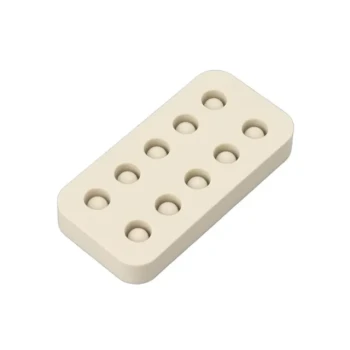
- 10-Cell Silicone Beeswax Bee Queen Cups Forming Mold
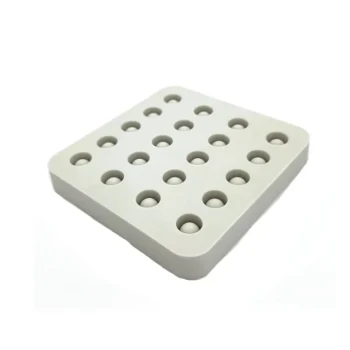
- High-Efficiency 20-Cell Silicone Mold for Beeswax Bee Queen Cup Production
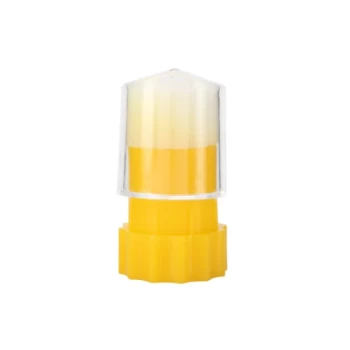
- JZBZ Type Wide Base Plastic Queen Cell Cups for Base Mounting and Queen Rearing
- Clear Black Plain Polystyrene Queen Bee Grafting Cell Cups No Lug for Bee Queen Cup
- Brown Nicot Queen Cell Cups for Breeding Queen Bees Beekeeping
People Also Ask
- How do beeswax queen cell cups function? Optimize Queen Rearing with Biological Mimicry
- What is the biological function of beeswax queen cell cups? Boost Acceptance in Artificial Queen Rearing
- What role do specialized queen rearing tools play in developing mite-resistant honeybee stock? Master Genetic Selection
- What materials are used to make artificial queen cell cups for grafting? Beeswax vs. Plastic Guide
- What roles do specialized queen cell cups play in royal jelly production? Optimize Your Hive's Secretion and Yield