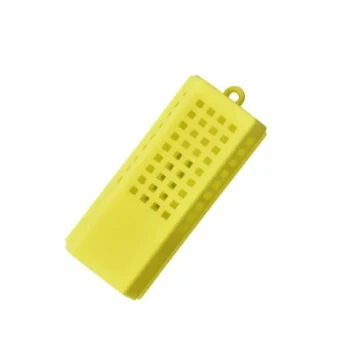
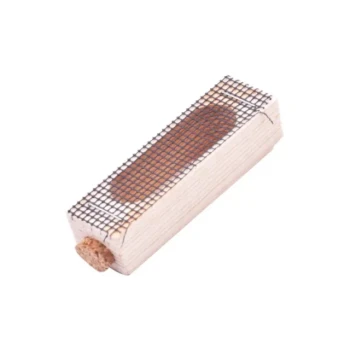
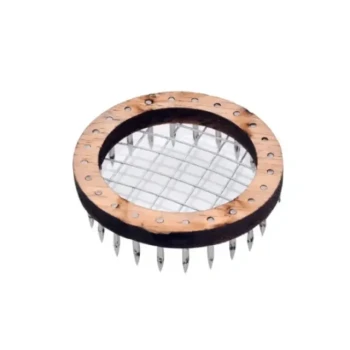
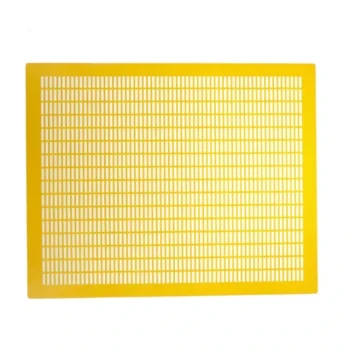
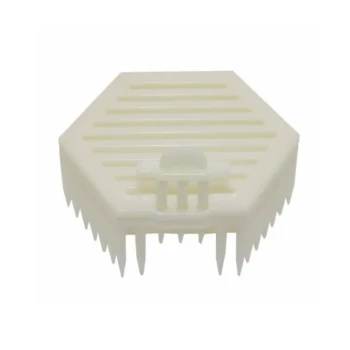
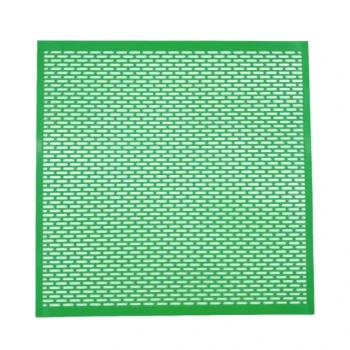
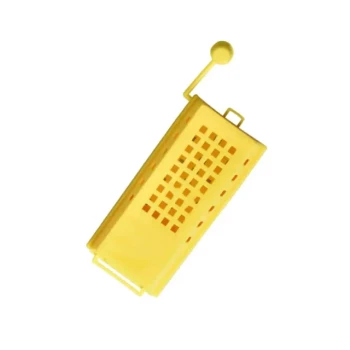
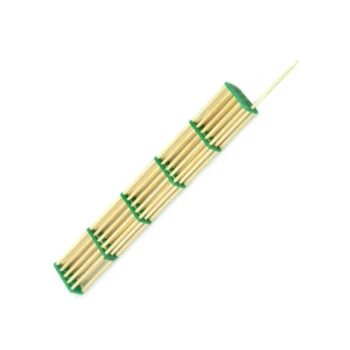
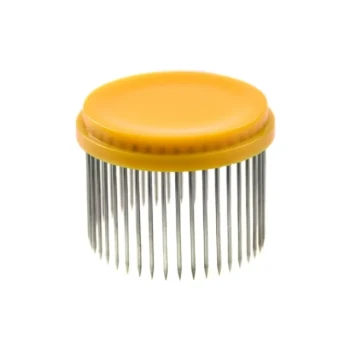
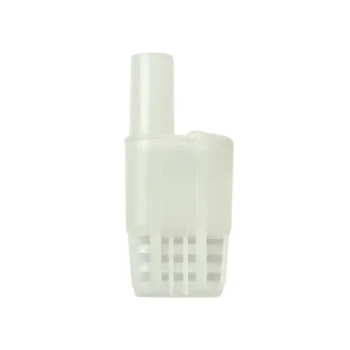
The primary purpose of using plastic mesh queen cages during the emergence stage is to provide individual physical isolation that prevents lethal combat between newly emerged virgin queens. This critical barrier ensures that multiple high-value queens can hatch safely within the same environment without destroying one another, while simultaneously protecting them from worker bee interference or attacks from an existing colony queen.
Core Takeaway: Plastic mesh cages are indispensable tools for commercial queen rearing, acting as a safeguard that eliminates "queen-on-queen" mortality. By isolating individual cells during the final stages of development, they allow beekeepers to maximize yield, conduct precise quality inspections, and streamline the logistics of queen transfer.
Ensuring Survival Through Physical Isolation
Preventing Lethal Rivalry
In a natural environment, the first queen bee to emerge will instinctively seek out and kill all other unhatched queens in their cells. Plastic mesh cages prevent this biological "winner-take-all" scenario by physically separating every cell. This allows a single colony or incubator to produce dozens of viable queens simultaneously rather than just one.
Protection from Worker Interference
During the emergence window, worker bees may sometimes display aggression toward a newly hatched queen before her pheromones have fully permeated the hive. The protective mesh serves as a temporary shield, allowing the queen to harden her exoskeleton and mature in a controlled environment. This isolation is vital for maintaining a high survival rate in commercial breeding programs.
Facilitating Airflow and Nutrition
The specific "hair roller" or mesh design is chosen to balance protection with biological needs. The perforated structure ensures adequate air circulation within the cage to prevent overheating. Furthermore, the mesh size typically allows worker bees to feed the newly emerged queen through the cage walls, sustaining her until she is manually collected.
Streamlining Commercial Breeding and Logistics
Precision Quality Control
For professional breeders, the cage acts as a holding pen for essential quality inspections. Once the queen is isolated, technical staff can easily weigh her, record morphological measurements, and mark her for identification. This data is critical for distributors who must guarantee specific quality standards to their end-customers.
Efficient Collection and Transfer
Using individual cages makes the process of harvesting queens significantly more efficient. Beekeepers can quickly collect the isolated units and move them to mating nuclei or transport containers without the risk of queens escaping or being injured. This speed is essential for maintaining the "cold chain" or heat-treatment protocols required during high-volume transfers.
Preserving High-Value Genetic Resources
When working with premium genetic lines, every lost queen represents a significant financial and biological loss. Caging ensures the safe emergence of every grafted cell, maximizing the return on investment for the breeding season. This level of control is what separates professional-grade apiculture from hobbyist methods.
Understanding the Trade-offs and Pitfalls
The Risk of Social Isolation
While cages protect queens, prolonged isolation can have downsides, such as limiting the queen's early social interactions. Some research suggests that early social isolation may impact the development of the queen bee’s gut microbiota. Therefore, timing is critical; cages should be removed as soon as the queen is ready for introduction or further processing.
Maintenance and Material Quality
Using low-quality plastic can lead to poor ventilation or physical defects that trap the queen. It is essential to source high-grade, food-safe plastics that can withstand the temperature and humidity of an incubator or hive. Reusable cages must also be thoroughly cleaned to prevent the spread of pathogens between breeding cycles.
How to Apply This to Your Inventory Strategy
Selecting the right queen rearing equipment is vital for maintaining a reliable supply chain and satisfying professional beekeeping clients.
- If your primary focus is High-Volume Commercial Output: Stock standardized "hair roller" style cages that integrate seamlessly with existing cell bar frames for maximum efficiency.
- If your primary focus is Premium Genetic Breeding: Prioritize cages with finer mesh and superior durability to ensure the highest survival rates for expensive, high-value queens.
- If your primary focus is Rapid Order Fulfillment: Partner with a supplier offering a full-spectrum portfolio of cages and grafting tools to provide your customers with a one-stop sourcing solution.
Utilizing professional-grade isolation equipment is the definitive way to ensure high queen acceptance rates and operational success in modern apiculture.
Summary Table:
| Feature | Primary Purpose | Key Benefit for Apiaries |
|---|---|---|
| Physical Isolation | Prevents "queen-on-queen" combat | Maximizes yield of high-value queens |
| Mesh Structure | Facilitates airflow and worker feeding | Sustains queen health during maturation |
| Shielding | Protects from worker bee aggression | Ensures high acceptance and survival rates |
| Containment | Enables precise quality inspection | Guarantees standards for distributors |
| Modular Design | Streamlines collection and transfer | Efficient logistics and faster fulfillment |
Maximize Your Breeding Success with HONESTBEE
Are you a distributor or commercial apiary looking to stabilize your supply chain? HONESTBEE provides a comprehensive one-stop sourcing solution for the professional apiculture industry. From high-durability plastic mesh queen cages and grafting tools to advanced honey-filling machines and hive-making hardware, we offer the full spectrum of equipment your business needs.
Why partner with us?
- Industry Expertise: Deep professional knowledge to support your technical requirements.
- B2B Focused: Competitive wholesale margins and OEM/ODM support for resellers.
- Rapid Fulfillment: Ultra-fast delivery and efficient order processing to keep your inventory ready.
- Premium Quality: Food-safe materials designed for high-volume commercial output.
Contact HONESTBEE Today to access our full-spectrum product portfolio and elevate your commercial beekeeping operations!
References
- Abd Al‐Majeed Al‐Ghzawi, Maqbool Saed Altalhi. Assessing the Productivity of Colonies Headed by Preheated Honeybee Queens. DOI: 10.3390/insects16080858
This article is also based on technical information from HonestBee Knowledge Base .
Related Products
- Durable Plastic Push In Queen Bee Cage
- Plastic Queen Marking Tube Cage with Plunger for Beekeeping
- Professional Multi-Compartment Queen Cage with Sliding Lid
- Transparent Plastic Bee Catcher Queen Marker Tube Cage Beekeeping Tool Equipment
- Plastic Long Marker Device for Catching and Marking Bees Queen Bee Marking Tube and Cage
People Also Ask
- What advantages do push-in queen cages offer? Boost Acceptance Rates for Artificially Inseminated Queens
- What is a push-in queen cage and how does it differ from a standard queen cage? Boosting Your Queen Acceptance Rates
- How can a beekeeper obtain a push-in queen cage? DIY vs. Professional Sourcing Guide
- Why are specialized queen bee cages used for the banking of mated queen bees? Maximize Commercial Apiary Storage Efficiency
- What is a push-in queen cage and how does it differ from standard cages? Achieve Higher Queen Acceptance Rates