Effective cleaning of beeswax caps begins by removing them from the hive frame and allowing the initial honey to drain off completely. You must then place the caps in a fine metal sieve and rinse them thoroughly with warm water multiple times to dissolve residue, before shaking off excess moisture and allowing the wax to air dry.
Cleaning beeswax cappings is a fundamental preservation step that prevents fermentation by removing hygroscopic impurities like honey, pollen, and dirt. Proper execution of this phase ensures the raw wax retains its quality and color for future processing.
The Cleaning Procedure
Initial Separation
Start by removing the cappings from the hive frame. Before introducing any water, allow the bulk of the honey to drain naturally from the wax. This maximizes your honey harvest and reduces the volume of sticky residue you need to wash away later.
Rinsing and Agitation
Place the drained caps into a fine metal sieve. Rinse the material with warm water. While some methods suggest cold water, warm water is generally more effective at dissolving stubborn honey deposits without melting the wax.
Repetition for Purity
A single rinse is rarely sufficient. You should repeat the rinsing process two to five times. Continue rinsing until the water running through the sieve appears completely clear, indicating that sugar and debris have been successfully flushed out.
The Drying Phase
After the final rinse, shake the sieve vigorously to remove as much standing water as possible. Spread the caps out and allow them to air dry completely. This step is non-negotiable; any remaining moisture trapped in the wax can lead to mold growth or fermentation.
Avoiding Common Pitfalls
Material Reactivity
When handling beeswax during cleaning or storage, pay close attention to the equipment materials. Avoid iron and zinc containers, as these metals chemically react with beeswax and can darken or spoil it.
Equipment Selection
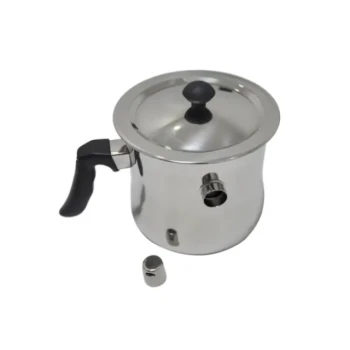
Stick to stainless steel, enamel, or aluminum for all tools and vessels. Stainless steel is the industry standard for ensuring the wax remains pure and does not suffer from discoloration during the cleaning or subsequent melting phases.
Storage Risks
If you do not intend to render the wax immediately after drying, you face the risk of pest infestation. Wax moths are a primary threat to stored comb and cappings; they can rapidly destroy the material if it is left unprotected at room temperature.
Strategic Storage and Processing
Freezing for Preservation
If immediate processing is not an option, compress the dry cappings as much as possible to save space. Place them in bags and remove as much air as possible before sealing.
Pest Control
Place these sealed bags in a freezer. Freezing serves a dual purpose: it prevents humidity build-up and, more importantly, destroys any wax moth eggs or larvae that may be present.
Making the Right Choice for Your Goal
Once your cappings are clean and dry, your next steps depend on your timeline.
- If your primary focus is immediate quality: Melt the wax rapidly in a stainless steel or enamel pot to boiling temperatures to preserve the light color and fresh aroma.
- If your primary focus is long-term storage: Compress the dry wax, seal it in airtight bags with the air removed, and freeze it immediately to prevent pest destruction.
Clean wax is the foundation of a high-value final product; handle it with the same care you would the honey itself.
Summary Table:
| Stage | Action | Key Tools/Materials | Purpose |
|---|---|---|---|
| Initial Separation | Drain honey naturally | Fine metal sieve | Maximize honey yield; reduce stickiness |
| Rinsing | Rinse 2-5 times with warm water | Stainless steel/Aluminium | Dissolve honey, pollen, and debris |
| Drying | Vigorously shake and air dry | Well-ventilated area | Prevent mold growth and fermentation |
| Preservation | Seal in airtight bags and freeze | Freezer | Destroy wax moth eggs and maintain quality |
Elevate Your Beekeeping Operation with HONESTBEE
Producing high-quality beeswax starts with the right technique, but scaling that success requires professional-grade equipment. At HONESTBEE, we specialize in supporting commercial apiaries and distributors with a comprehensive wholesale offering.
From industrial-scale honey-filling machines to specialized hive-making hardware and essential consumables, we provide the full spectrum of beekeeping tools and machinery designed for durability and efficiency. Whether you are looking to optimize your wax processing or expand your honey-themed cultural merchandise, our portfolio is built to serve your business needs.
Ready to upgrade your production? Contact us today to discuss our wholesale solutions and discover how HONESTBEE can bring unmatched value to your apiary.
Related Products
- Beeswax Foundation Sheets Beehive Foundation for Wholesale
- Assembled Wooden Bee Frames with Beeswax Foundation Ready to Use by HONESTBEE
- Professional Honey Uncapping Roller for Efficient Harvesting
- Professional Honey Scraper for Efficient Apiary Maintenance
- Economy Manual Beeswax Embossing Mill Wax Foundation Machine Roller
People Also Ask
- What are the technical advantages of beeswax foundations and feeding tools? Optimize Your Bee Breeding Phase
- Why is the regular exchange and replacement of beeswax foundations encouraged? Boost Honey Yield & Hive Biosafety
- What are the negative consequences of using old or contaminated beeswax in foundations? Protect Your Hive Today
- Why is high-purity natural beeswax essential for foundations? Prevent Larval Mortality & Boost Colony Health
- What are the specific advantages of regular comb replacement? Boost Hive Health with New Beeswax Foundations