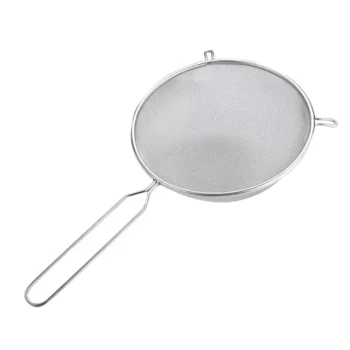
To filter heavily soiled beeswax effectively, the most reliable procedure is to encase the raw wax in fabric before heating it in water. Wrap the debris-laden wax in several layers of fine cheesecloth, tie it securely with string, and heat this bundle gently in a large pot of water until the wax melts through the fabric and floats to the surface.
By combining physical filtration with water density separation, this method traps impurities inside the fabric bundle while allowing the clean wax to float freely to the top, forming a solid, separable disc upon cooling.
Constructing the Filtration Bundle
Layering the Material
For beeswax containing a significant volume of debris, a single layer of filtration material is insufficient. You must use multiple layers of fine cheesecloth or a similar loosely woven fabric.
This multi-layered approach ensures that while liquid wax can escape, heavier particulate matter remains trapped.
Securing the Contents
Once the raw wax is wrapped, tie the fabric securely with a string. The goal is to create a closed system where the only way out is through the weave of the fabric.
Ensure the knot is tight so the bundle does not open during the heating process, which would re-contaminate the water.
The Water Bath Method
Submersion and Gentle Heating
Place the secured fabric bundle into a large pot filled with water. Apply gentle heat to the pot.
Do not rush this process with high heat; a slow temperature increase allows the wax to melt evenly without reaching dangerous flash points.
The Separation Mechanism
As the water heats the bundle, the wax liquefies. Because wax is less dense than water, it will seep through the cheesecloth layers and rise to the water's surface.
The debris, being too large to pass through the fine mesh, remains contained within the bundle.
Cooling and Extraction
Removing the Debris
Once you verify that the wax has completely melted out of the bundle, remove the cheesecloth containing the debris from the pot.
Do this while the water is still hot to ensure you do not remove solidified wax along with the waste.
Hardening the Wax
Allow the pot to cool down completely. As the temperature drops, the clean wax floating on the surface will solidify into a hard disc.
Final Separation
Once the wax is fully hard, run a butter knife around the edge of the wax disc to separate it from the sides of the pot. Lift the clean wax disc out of the water.
Understanding the Trade-offs
Wax Loss in Fabric
While this method is excellent for debris control, some residual wax will inevitably remain trapped inside the cheesecloth bundle along with the debris.
Process Time
This method requires waiting for the entire volume of water to heat up and then cool down completely. It is a slow process compared to direct straining, but it produces a cleaner result for heavily soiled wax.
Making the Right Choice for Your Goal
To get the most out of this procedure, consider your specific requirements:
- If your primary focus is purity: Use additional layers of cheesecloth to ensure even the finest sediment is trapped inside the bundle.
- If your primary focus is ease of extraction: Ensure the pot has a wide mouth, making it easier to lift the solid wax disc out without breaking it.
This method transforms unusable, dirty scrap into a clean, workable block of beeswax ready for crafting.
Summary Table:
| Stage | Key Action | Purpose |
|---|---|---|
| Preparation | Wrap wax in multiple cheesecloth layers | Traps large debris while allowing wax flow |
| Heating | Submerge bundle in gentle water bath | Melts wax and enables density-based separation |
| Separation | Wax rises to surface; bundle holds waste | Isolates pure liquid wax from physical contaminants |
| Extraction | Cool water and remove solidified disc | Collects clean, workable wax blocks for use |
Elevate Your Apiary Production with HONESTBEE
Processing raw wax is just the beginning. To scale your operations and ensure professional-grade results, you need reliable equipment. HONESTBEE specializes in supporting commercial apiaries and distributors with high-performance machinery and tools.
Our Value to You:
- Industrial Efficiency: From advanced hive-making machines to precision honey-filling systems.
- Full-Spectrum Supply: We provide everything from specialized beekeeping hardware to essential industry consumables.
- Global Distribution: Wholesale solutions tailored for high-volume needs and commercial growth.
Ready to upgrade your production capacity? Contact us today to discover how our comprehensive beekeeping solutions can streamline your business.
Related Products
- Electric Beeswax Flat Sheet Machine with Operating Tray for Wax Processing
- Stainless Steel Triangle Support Honey Strainer and Filters
- Solar Beeswax Melter Easy Solar Wax Melter for Beeswax
- Professional Stainless Steel Honey Filtering Machine with Water Bath Heating for Beekeeping
- Conical Nylon Honey Strainer Filter Bag for Beekeeping and Honey Filtration
People Also Ask
- What is the primary function of the double-roller extrusion system? Master Precision Beeswax Foundation Production
- How do cultural merchandise processing machines contribute to the economic value chain? Boosting Apiary Profitability
- How do specialized beeswax processing machines maximize the value of beekeeping by-products? Boost Your Apiary's ROI
- How does the machine flatten the beeswax? A Guide to Roller and Press Methods
- What are the key functions of a beeswax machine? Maximize Apiary Efficiency & Revenue with Professional Equipment